“Every Moment Can be Either a Prison or a House of Prayer”

 Midnight Express

doors

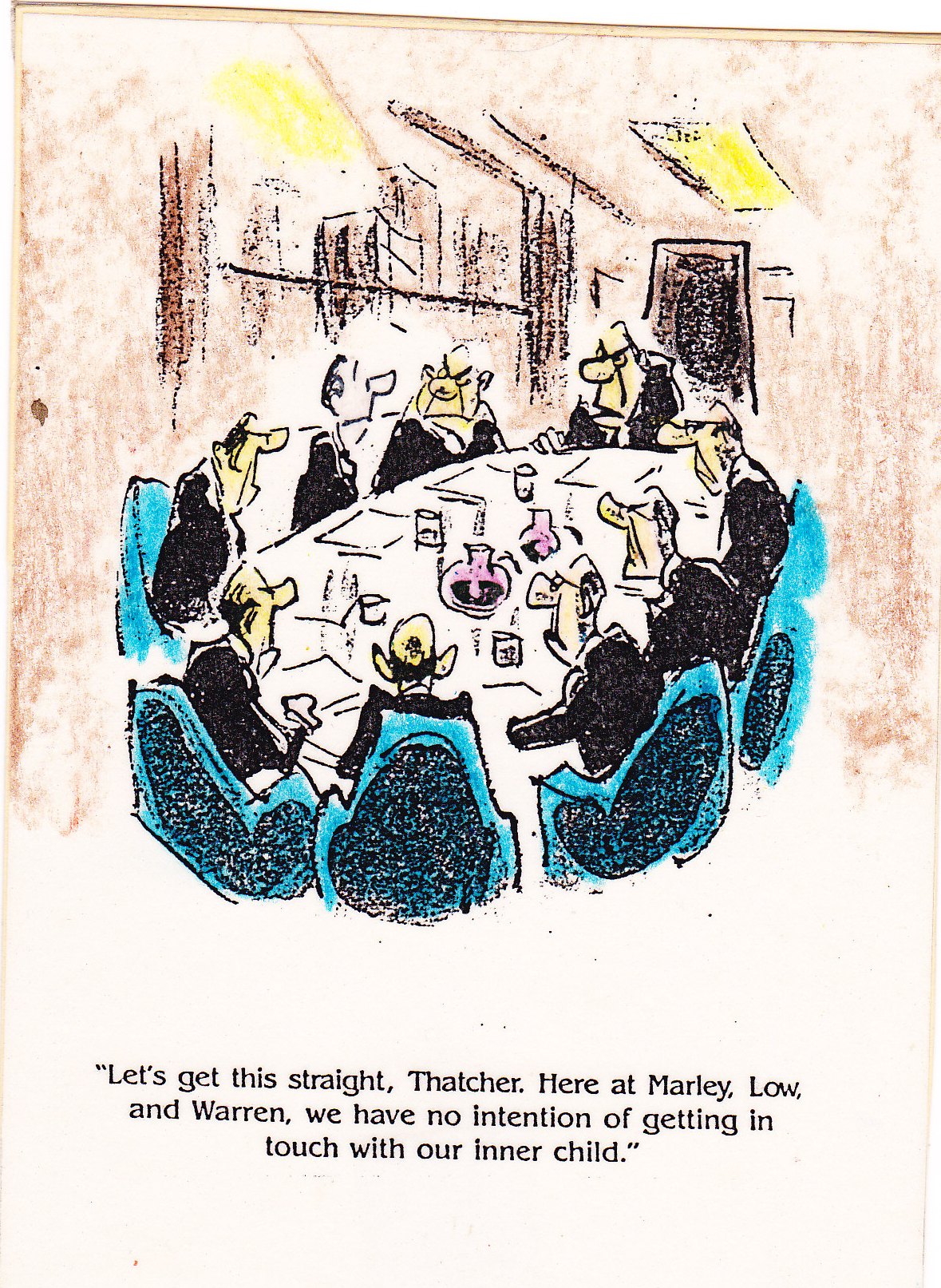
I am standing in the lobby of the prison, one thick grey metal door has already slammed behind me, another grey metal door, still locked, lies ahead. A long row of grey steel metal doors await my journey inside. The tall prisoner with the tough face beside me reaches over to his waistline, slowly unbuckles his belt and begins removing it from his pants, in a routine movement like in the English boarding schools' movies. The prisoner behind him removes his shoes. The air in the entrance room is stuffy and thick with the smell of nicotine that oozes its way into my hair and clothes. Above us a sign reads out: No smoking. We wait to be admitted by the prison guard on duty.

When the prisoners walk through the security metal detector they carelessly throw their belts and shoes on the moving belt of the x-ray machine, followed by my purse. As always, the guard questions the purpose of the Tibetan bowl that strangely appeared on his screen. This time I remembered to leave my mobile phone and nail clipper in the car.

Within these walls my fifteen prisoners await our weekly meditation course.

Sitting and observing the breath is not an easy task for them. They prefer talking, sharing, lying on the mattresses rather than sitting upon them, dreaming of their bygone days of freedom which may one day return. “Put on some music and do a guided imagery meditation!” – they implore. Anything, just not sitting in silence. That is the most difficult for them.

Actually, not just for them. For all of us. Our Mind finds it hard to simply stop, to set aside its object of fascination, to awaken from the dream in which it is caught, captivated by the enchantments of the senses. No wonder the Buddha defined awakening as: “Disenchanted, he becomes dispassionate. Through dispassion, he is fully released.” – Chachakka Sutta, MN 148

We are all imprisoned for life

We all find it difficult to sit and observe the breath. We too prefer day-dreaming of our past days of freedom, and perhaps of The Big Freedom that will one day arrive, the Nirvana that will descend upon us like a huge gift from the sky, rescuing us from our problems, pain, worries, anxieties and suffering. Especially from the need to sit and watch the breath.

What distinguishes us from those prisoners? In their film “Doing Vipassana, Doing Time,” Ayelet Menahemi and Eilona Ariel say there is a very fine line that distinguishes between us and them: “Everyone is a prisoner, serving a life sentence, imprisoned within his or her mind. We are all hostage to fears, anger and desires. Those things that don't go beyond the level of our thoughts – crossed the action barrier for those serving time. And yet, we are similar. Deep inside each human being lies a potential criminal.”

We too, like them, are imprisoned within our mind, controlled by internal forces that are unknown to us, that threaten us. How little do we know about our Mind! We are controlled by our fears, angers and desires, and are helpless with them; we find ourselves reacting and behaving in ways that do not benefit ourselves or those around us, leaving us with a sense of guilt or regret in hindsight. It seems the remote control for our behavior is not in our hands, but rather in the hands of some unknown force that abuses and mocks us. Internal forces stronger than us run the show. The show of our lives. We are slaves to our habits, conditions, and addictions.

The prisoner who did not want to escape

Mahmid, Ziad, Mazen, Shlomo, David and Rachamim (all names have been changed) are members of a 12 Step Recovery Program. “We’re now at step 4”, they tell me. “How can meditation help us with step 4?”

“Meditation is good for all of the steps. After all, step 11 specifically says 'Sought through prayer and meditation'…" – I am proud to display my knowledge of the 12 step program, and that addictions are not foreign to me. I may have not killed anyone, but to be honest (and the “12-steps” demands rigorous honesty), my relationship with chocolate and ice cream definitely falls under addiction definition.

The practice of awareness calls us to assess our relationship with our objects of pleasure and delight. Meditation invites us to examine the places where we grasp onto a promise of pleasure, comfort, security or relief, and to see their inherent emptiness, that they are unsubstantial and delusive. It invites us to also examine our impulse to protect ourselves, to contract, attack, place barriers and walls, barbed wire and armed sentries patrolling around our heart. How free are we really ready to become?

An ancient fable attributed to Plato tells of a cave in which a prisoner lived. Years passed, and one day his cuffs and chains were released and he was set free. However, the light outside was too bright, and the prisoner preferred the familiar comfort of his shadow-filled cave.At times, despite the open doors of our prison cell – the prisoner within refuses to burst out.

in Jaiil

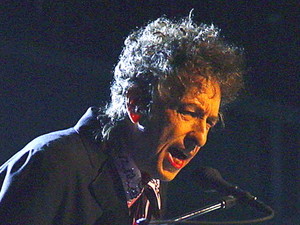
Despite this, I believe the yearning for freedom pulses within us all. Bob Dylan wrote of this longing in the 60’s:

I see my light come shining
From the west unto the east
Any day now, any day now
I shall be released

Dr. Stephen Fulder, the spiritual father and senior teacher of “Tovana” says: “Every moment can be a prison or a house of prayer.” Every moment can be a moment of contraction or expansion; of control or of relaxation and release; of internal enslavement or a holy moment of awakening. Can we fully awake to the moment? And if we do – what will we chose: the prison or the house of prayer?

And do we have the appropriate tools to identify, to clearly see, to discern and differentiate, to choose wisely, to go “against the stream” as were the words of the Buddha, of our conditions and habits, of the familiar and safe, to dare to dive into the unknown? Are not most of us choosing, again and again, day after day, to remain within the safe shadow-filled cave?

Are we not “Trained to be totally obsessed with the idea of safely,” in the words of the spiritual teacher and social activist Vimala Thakar: “Tomorrow concerns us much more than our responsibility for today, for right now. We have never dared to embrace life in all of its tremendous and awesome splendor. Like generations before us, we are satisfied with perpetuating our partial-lives – finding hiding places where we feel ideationally safe and emotionally secure.”

If peace begins within me, then violence begins with me as well. We must seek within ourselves the source, the cause and the solution to our violence, possessiveness and fears, we must “deepen our investigation into the our souls and discover the hidden roots of violence” claims Vimala Thakar. “Until we find them – as well as the roots of our ambition and jealousy – we will not be able to find our way out of the madness. It is crucial to expose the roots.”

In our meeting this week Mahmid shared: “If you’re angry, you're eaten from inside. If you’re happy, you’ll end up crying. Best if you stay calm.” Within this complex, defensive and belligerent human heart lie the answers to our human conflicts on a personal, interpersonal and political-global level. It is all the same mechanism. The boundaries differentiating between the personal and the political become blurred,  as the famous feminist statement goes. Thus, investigating this mechanism becomes both a personal and a social imperative, both private and collective. In the words of the spiritual teacher J. Krishnamurti: “The root of the problem lies in each individual, for society is composed of individuals…If each individual begins changing – society will change as well.”

When I sit on the mattress-covered floor with “my” prisoners, our eyes closed, observing our breath – what differentiates between us? How am I different from them? I also have angry, aggressive or vengeful thoughts – what caused them to cross the thin but significant line that separates a violent thought from a violent action? Is it possible that under different circumstances and with different conditioning I would have acted as they did?

The answer lies in the human mind, in awareness. In our mind lies the seed of greatness, the seed of Buddhahood, the seeds of beauty and mystery and the vast potential to create change, to choose, to awaken. To choose to awaken. To be one who goes “against the stream”, as in the Buddha’s words: “Those with little dust in their eyes". To choose freedom, against all odds, to dare to leave the familiar and safe cave, to believe we can live an awakened life, a life of internal liberation. For us and for those around us.

“Inner freedom is a social responsibility", says Vimala Thakar. “We need to examine the thought and the human mind not only for ourselves, but as an act of compassion for the entire human race.”

My father survived the Holocaust as a 20-year old youth, while his entire family was murdered. He lost his faith in God, but not in humankind. He passed this legacy on to me, the faith and belief in human goodness, even if it exists only as a potential.

This firm belief accompanies me as I enter the prison walls every week, sitting with “my” prisoners on the floor and guiding us all to close our eyes, relax the body and mind, and observe the breath. I celebrated my 50th birthday with them in the prison last week. My prisoners and I wished for one another to be released soon. “What does the tattoo on your arm say?” they ask me. “Freedom, liberation”, I answer. “You’re in the right place!” they laugh.

We’re all in the right place. May we all “Any day now, any day now” be released.
צילום: צילה זלט

On Emptiness

What I love about the concept and the practice of Emptiness and the Heart Sutra is that it seems to bridge the Buddhist no-self & interdependence with the Advaitist non-dual & interconnectedness.

In The Heart Suttra it’s says that form is empty, and emptiness is form. What exactly does it mean, and – most importantly – how does this relate to our daily lives?

The Dharma teaches that we hardly ever see things as they are, and the goal and the practice of Vipassana meditation is to see things as they are. How can we see things as they are?

We see the emptiness in form when we look at material objects and see their pure nature, see them as colure, texture, event, devoid of our recognition (memory process), perceptions, evaluations, concepts, judgments and attachments, devoid of papanca. When we see things in their original state, without personal interpretation, without personal point of reference, when we see the sameness in all things – we experience that form is empty. Also when we see Seeing as a spontaneous process that happens on its own the moment we open our eyes. In the same way Being happens, spontaneously, effortlessly, devoid of mental construction.

When we realize that “because this is – that is, and because that is – this is”, the absolute mutual dependence of all phenomena, that the cause affects the effect and the effect equally affects the cause, that nothing exists by itself, independent from other events and phenomenon – not a blade of grass, not the stars and not the self – we glimpse the emptiness.

The same way with mental and emotional events:
We see the empty nature of thoughts when we do not fight the discursive mind but see thoughts clearly for what they are – swirling randomly, like a cloud of bees, around a totem pole called “I”; There’s emptiness when we experience this totem pole to be hollow.

We see the empty nature of desire when we have fulfilled our desires to our hearts’ content and still we are not content.

To do just what we do when we do it – to walk when we walk, to eat when we eat, etc – is to live in emptiness.

There’s emptiness when we see self arising, see if for what it is and “let it be” without fighting it, understanding that the struggle to eliminate the self is in itself an expression of self.

Practicing emptiness make us take ourselves more lightly. We don’t identify so tightly with, and take more lightly, our roles and identifications, our emotional and psychological inner dramas and our opinions and beliefs; we take more lightly our fears and hopes, our habits and conditionings, our thoughts and our addition to thought, and even our survival struggle and fear of death.

And what does it mean: Emptiness is form?
When we cling to emptiness as a concept, we form another mental construction. We make it solidified as a “thing”, as “the truth”. We fall into the trap of a point of reference. When we see the “emptiness” in things, it’s a form again. We still hold a dualistic view: there’s the thing, its quality (emptiness), and the viewer. But things are just the way they are, devoid of all assigned qualities – including emptiness.

When we do not hold on to emptiness as a “thing” that “we” have realized (object-subject division) – then there is just phenomena arising, changing and passing, an ever unfolding process, so intimately connected to everything that had been before it and everything that is to come. Then there is no form and no emptiness.

So we can stop contemplating “emptiness” as a thing, and just live our lives. And continue to practice seeing things as they are.

Karma Bandana


Written in 2005

During the past twenty years I’ve gone through various life periods, that swung from one extreme end of the pendulum to the other: from a profligate life in New York City, to an intense spiritual journey of many months in Peru and Ecuador, through seven years of living an austere and celibate life in an Hindu ashram of yoga and meditation in Massachusetts. Then I was back to the “real world” of work and relationship in Tel Aviv, through a powerful meeting with Buddhism, then to India, practicing and studying with various teachers there, and then back to Israel. Many questions arose, many answers appeared and dropped away, but one thing weaved as a thread and a constant presence through all these different “life-times”: my love for meditation as an experience and as a main tool for an awakened life.

In this article I’ll try to describe and illustrate some of the reasons for this love.

The Gap
A few days ago I heard on the radio a song whose words were something like: “don’t look at the world with happy or gloomy eyes, look with open eyes”. These words evoked some thoughts and got me wondering: do we really have the basic ability to look at the world with “open eyes”? Is it not that what looks out through our eyes is our concepts, our belief systems, our conditionings?
These words are ascribed to the Buddha: “Things are not as they seem to be. Whatever you conceive of – the facts are other than that”.

Dharma teachers explain that we are constantly interpreting and evaluating the world around us; our senses constantly deliver to us an endless stream of information. This information is then instantaneously processed and categorized by a sole criteria: whether it causes us pain or gives us pleasure. We then response accordingly: to the sensations of pleasure we react with clinging, trying to prolong and perpetuate them, and to the pain we react with aversion, trying to avoid it and eliminate it from our lives. This unceasing, continual reactivity blocks our view, and does not allow us to see things as they are: to see that pain and pleasure are not intrinsically inherent in the object, but are in our response to it. In meditation we become aware of this process that’s occurring inside us; the temporary immobility that we submitted ourselves to, enables us to observe the reactivity that arises in our mind –without acting on it. The act of observing exposes the nature of reactivity, and develops in us the ability to distinguish between things as they really are in their true nature – and our reaction to them. Thus we create a gap, though little as it may be at first, between the object, and the reflex, primary reaction it invokes in us. By practicing meditation, by observing, inquiring and non-acting we become aware of the things as they are, and of how they work – inside us and in the of world phenomena around us.

The hardest practice – self awareness without self judgment
I believe that one of our most primary and fundamental needs is the yearning for self development, for the expansion of consciousness. But all too often that urge is accompanied by an instinctive tendency – so automatic it almost feels like second nature – to judge and criticize ourselves with every new insight, self discovery or exposure of a pattern. Our inner conversation tends to be critical and judgmental, an internalization of the cultural conditioning that in integral in the society we grew up in. Most of us are used to seeing certain parts of us as negative, unaccepted, even shameful. We spend much of our lives trying to hide and deny these parts, and when, to our surprise, they show up in meditation – we react with horror or deep pain in the face of these unexpected, unwanted meetings. My teacher from the ashram, Yogi Amrit Desai (Gurudev), used to say that the hardest practice of all is self awareness without self judgment.

I remember when, while living at the ashram, I fell in love: I felt as if this was defeating the whole purpose of my life there, which was meant to be dedicated to celibacy, to self development, and to the transmutation of sexual energy to the spiritual energy of selfless and unconditional love to God and to all beings. So not only did I not enjoy the feelings of being in love, but I also judged myself harshly for having them and, tried to get rid of them.

One of the things that happens in the meditation practice is an enlargement of the inner container, an increasing of the capacity to “be with” all these thoughts and emotions that come up inside us, increasing the ability to look at them with generous and compassionate rather than judgmental eyes, to befriend all those parts that seem to us inappropriate, unworthy and unspiritual, to see every expression in us as an expression of “all there is”, of the Whole, and thus worthy of love and respect. Pema Chödrön, a renowned American teacher and nun in the Tibetan tradition, writes: “…the most fundamental harm we can do to ourselves is to remain ignorant by not having the courage and the respect to look at ourselves honestly and gently. The ground of not causing harm is mindfulness, a sense of clear seeing with respect and compassion for what it is we see”. (When Things Fall Apart)

The paradox of meditation
One day at the ashram, an honorable guest arrived: a bearded Rishi with an orange robe and sparkly eyes who claimed that we are all caught in karma bandana, in the bondage of action. According to him, we cannot release ourselves from this bondage by additional action, and therefore “there is nothing to do”. He said that the most prevalent problem with adults is that they don’t play, and so he took us all out to fun and wild days in nature. This was a most liberating experience after years of mental and emotional constipation from doing “the right thing” every single moment, of spiritual rigorousness and righteousness, and the Rishi helped us not “do” anything, especially not anything spiritual, but just enjoy ourselves.

Doing, being active, is ingrained in us, especially in the west. There’s a famous expression that says we have become human doings instead of human beings. The state of just “being” is foreign to us, even frightening. Our inner computer is so programmed on doing, that it’s almost incapable of conceiving of a non-doing state, of a state of absolute stillness, of deep yet alert rest, of profound, spontaneous, clear and all enveloping awareness.

Saying this naturally gives rise to the question: if we are to let go of “doing”, if we are not to “do” anything, then what is it to “meditate”? And if we are not supposed to do anything then why bother go to a meditation retreat, why not just pack a sandwich and go to the beach?
The answers to these questions lie in our inner experience, in our inner understanding. We can be aided from outside with teachings and guidance, but there’s immense value in developing the ability to be with the questions, to leave them open, alive, pulsing, and thus the answers will be richer and have more power when they arise on their own, from within.

Meditation holds an interesting paradox: “doing” and effort are necessary to the practice of meditation, yet the experience of a meditative state is an experience of non-doing. As appose to other activities, the meditation practice is a bridge that can carry us from doing to non-doing. Though effort is needed, we cannot get to non-doing by efforting, by more and more doing. Like a hamster running on its carousel – running faster and faster won’t get it anywhere sooner, certainly not to a place of stillness. Though we must strive, the non-doing state is a state that happens on its own, striving only keeps it at distance. Therefore we’d better leave behind expectations and cravings for “something to happen” during our meditation. We are to create the right conditions, to make ourselves available and to be fully present – and then let go of everything else: let go of the technique, let go of the hopes, let go of the effort, let go of meditating. Possibly, there’s this paradox again: is letting go an action, or is it something that happens on its own? In my experience, letting go is both: sometimes it is an intention with which we sit, other times it is a spontaneous, effortless shedding and dropping away, which some call Grace. This dichotomy between effort and non-effort is sometimes depicted classically as a two-winged-bird: one wing is the wing of effort, of steady and committed practice, of doing; the other is the wing of letting go, of non-doing, of surrender.

"Inner Freedom is a Social Responsibility"

activist monks

~ There is no way to freedom, freedom is the way ~

~ "Serving our desires is the greatest slavery" ~ Christopher Titmuss

Most of the children in the Kibbutz where I grew up loved Purim the most, because of the opportunity to dress up and the permission to go wild all night long; or Chanukah, with the dripping of wax and the "best Menorah contest". But I always loved Passover the most, with its Seder (Service) night and the Haggada reading.

Of course the Kibbutz' Seder did not stretch as long as the Nile and was not as grave and solemn as perhaps God had meant it to be, but had a more of a socialistic approach, with an emphasis on spring, liberation and harvest. Nonetheless we too experienced, along with the rest of the Jewish people, the creeping hunger as the reading of the Haggada went on and on, we too gloated with joy with the Ten plagues, and we too wondered what the heck was Karpas.

My brother and I passed the time until the meal by nibbling on Matzos (Unleavened cakes) and the sweet Charoset, so by the time we got to the gastronomic climax of the evening – matzo-ball-soup most unkosher – we were utterly full and longed to sprawl somewhere far away from the crowdedness and the commotion and uproar of the children running around still carrying the daisies-and-wheat-wreaths.

Quite early in my childhood, I was already sensitive to the issue of liberty. I felt an inner rebellion against the wrongs done to the Israelites when Pharaoh "laid heavy bondage upon them". The Israelites, like good slaves with slave-mentality, do not rebel against their existential state as slaves, only against the elimination of certain rights. As a child, I could't understand it. I was a little 'book worm', and the numerous stories I read got mixed up in my head: Moses got mixed up with Spartacus, the great slave-liberator who failed, and the Egyptians got mixed with "The Last Days of Pompeii".

I instinctively identified with the weak, the defenseless, the helpless: the ancient Israelites, Anne Shirley of Green Gables, the blacks in the US of "To Kill a Mockingbird", the loosing side in football, the abandoned eyeless-teddy-bear I had found and adopted, the Arab villages that disappeared every evening when darkness fell, while the Jewish settlements around us were glittering with national electricity.

People's liberation, Mind's liberation
Both Moses and the Buddha sought to bring solace to the weak, the defenseless and the helpless. There are many and interesting equivalents between Moses' story, before he turned into a Rabi, and Siddhartha Gautama's story, before he turned into a Buddha. Both grew up as princes in a palace, bathing in abundance, comfort and pleasure, far away from the masses' suffering. Both left the palace for a brief peek at the "real world", a peek which was to be monumentally significant, that transformed their hearts, and altered forever both their lives and the course of history.

Siddhartha Gautama went out in his carriage for a drive in the city streets, and saw for the first time in his life the various faces of affliction: he met sickness, old age and death, as well as the possibility of salvation. Moses left the palace and saw the suffering of his brothers and sisters the Israelites, collapsing under the burden of the pressure and cruelty of their oppressors. Both Moses and the Buddha abandoned the palace overnight, leaving behind the comfortable, pleasurable and abundant life, and went out to seek answers.

For both of them Awakening was a dramatic experience, that included mystical and Para-psychological elements. Both communicated with God or with various gods on that occasion, both expressed a strong hesitation to go back to the people and teach, and both finally surrendered to the divine command, inner or outer, to be led by compassion for human suffering and the hope that there will be those who will listen, those with "light dust in their eyes." Thus came about the two biggest movements in history of breaking out from slavery to liberty – one is the liberation of a slaved nation; the other is the liberation of mind.

In Passover, the Holiday of Emancipation, a discussion of the spiritual meaning of liberation is called for: the liberation of the mind from the slavery of conditionings, binding beliefs, habits and addictions; to inquire into what binds us, who are the inner Pharaohs, the unconscious parts that control and manipulate us. To inquire also into inner freedom and how it expresses itself: perhaps inner freedom is the ability to be non-reactive, to meet every event and experience that life presents us with – with openness and ease, without clinging or aversion, without judgment or preference, as the words of the Zen Third Patriarch: "The Great Way is not difficult for those who have no preference."

Perhaps inner freedom is the ability to live by our hearts' whisper, regardless of the limitations put on us by society; the ability to diverse from the norms and the mainstream, to live our lives "against the stream", as the Buddha put it. For me, inner freedom is fore and foremost the ability to put ourselves in the other's shoe, to see things through the eyes of the other, to be in a place where the dual separation of "I" vs. "the other", "we" vs. "them" – breaks down and dissolves.

Inner freedom does not depend on outer conditions. It is the quality of the mind to be unbound by changing conditions, forming and passing away. As Ven. Ajhan Suketu puts it, "The goal of the spiritual way is to fully understand that the main problem in life is not the circumstances ("I don't have enough money, I don't have a relationship, the relationship I have sucks, my mother didn't love me, Liberman is Foreign Minister… Sandhya), but the feeling in the reflective mind of being bound by it."

Let my people go?!
I cannot think of a worthier purpose in life than to free the mind. After all, the Dharma points and directs us towards an awakened life of inner freedom. I'd like to think that, "Every time someone moves towards freedom – God him/herself is there", as says Dr. Rachel Neomi Raman. However, in addition to the inner focus, I'd like to focus and bring light to another aspect of freedom, an aspect that is obvious and yet overlooked at in Israel of the 60-year-celebrations – the national freedom. The celebration of national freedom is a worthy celebration. As the descendents of the ancient Israelites, it seems that a noble sensitivity to the issues of slavery, liberty and freedom is burnt in our DNA. This sensitivity is perpetuated and kept alive every year with the imperative to remember: "It's incumbent with every Israelite, in every generation, to look upon himself as if he had actually gone forth from Egypt: as is said, and thou shalt declare unto thy son", etc.

It's beyond my comprehension how sensitivity towards one people's freedom (our own) does not translate itself into sensitivity towards a neighboring people's freedom, to the absurd extent of the Israelis playing the role of the ancient Pharaohs, by keeping another nation under occupation and foreign mandatory, as we were not long ago under the British and the Turks.

The common argument that pacifies our conscience and enables us to turn off the sensitivity and the guilt, and enables us to go to sleep, is the argument that the circumstances here are different and more complex and they justify our deeds; we are not like the Chinese in Tibet, the English in Ireland, the whites in South-Africa. I wonder if the ancient Egyptians did not have similar arguments.

"People will always justify their actions ", says Dale Carnegie in his book 'How to Make Friends and Influence People'. In fact, if we open the Book of Exodus, we find that that's exactly what Pharaoh does: he justifies the need to preserve the Israelites' status as slaves in Egypt. The nature of the justifications is not moral, but practical: "let us deal wisely with them, least they multiply, and it comes to pass, if it chance to be a war, they might also go over to our enemies, fight against us, and so get them up out of the land" (Book of Exodus, A). The current Israeli/Jewish justifications are also not moral, but stem from fear, mistrust, hate and desire for revenge, that are camouflaged as security issues.

The Israelites did not leave Egypt for the promised tribal/national land as a result of a delicate and elegant political negotiation, but "with a mighty hand and an outstretched arm", after a series of terror attacks of persons and property of Egyptian civilians, women and children. We too, a few thousand years later, pay with our own "slaying of the first-borns". Are our eyes blind and our ears deaf? Are we not, as Pharaoh, hardening our hearts to the suffering of our brothers and sisters? Will not the day come when a Palestinian Musa will rise to face us with the immortal decree: Let my people go?!

The Fruit of Our Practice as Social and Political Involvement
In the preface to the Hebrew translation of the classic book 'The Heart of Darkness', that deals with the white man's plunder in Africa, the translators write:
"In order to hurt another human being, says Joseph Conrad, you must convince yourself that he/she is different. That they do not suffer from hunger like you do, do not love their children like you do, do not dream like you do, are not afraid like you. It’s not the hatred that corrupts us, it's the indifference. If indifference takes over, then you are indeed in the heart of darkness."

"All that is needed for evil to succeed is that decent human beings do nothing", says Edmund Burk.

Spiritual-social-political-ecological involvement (what's called Engaged Buddhism) is to me essential. This involvement is absent in the current Buddhist discourse in the West, and to me this absence is screaming. Many of the practitioners feel that simply sitting on the cushion and doing the inner work is enough, and they don't feel a need to be involved. "Outer" activity is considered as being at the expense of "inner observation", and there's a widespread attitude that both activities are mutually exclusive.

To me, both fields of endeavors can and must be interwoven. The fruit of our practice must be expressed not only in a heightened sensitivity towards ourselves and our loved ones, but in a heightened sensitivity, caring and involvement in what takes place around us in the larger neighborhood – the world community. The Buddhist concept that all events and happenings influence one another and are influenced by one another through dependent arising – encourages us to take such activities. To me, the connection between inner and outer work is extremely important, and these days even crucial. The spiritual teacher and social activist Vimala Thakar says, "Inner freedom is a social responsibility", and "Our lives will be truly blessed only when the misery of one is genuinely felt to be the misery of all."

We may feel quite comfortable to address the inner and spiritual aspects of liberation, to look at the various ways that our mind is enslaved, or to inquire what freedom is. To bring the discussion from the "inner work" realm to the outer sphere, and especially the one called "political" – may be much more challenging. Perhaps even stirring up. The Dharma teacher and peace activist Christopher Titmuss, makes it clear: "Dharma teachings don’t offer a comfortable view, spiritual or global, but attend to where the hotbed of suffering arises, and address that." How can we, who are deeply committed to the Dharma and the path of liberation, translate this commitment from theory to practice, to actions that attend to the hotbed of suffering and address it?

What The Liberated Mind Knows

A dharma talk from Tovana retreat, April 2007

For link to the audio recording – press here

images

I would like to start with a story from my childhood: I was born and grew up in a kibbutz, and as probably most of you know, we didn't live with our parents, the children lived and stayed in a children house and the parents would come at night, put us to bed, tell us a story, kiss us goodnight and go home. And we would stay there, sleep there. And there would be one woman who would watch the children, usually a young woman in her twenties or so, who doesn't have children herself, someone who this was her "turn", and was assigned to do this by the kibbutz to watch the children at night, and she would be sitting on the porch in the summer, and if she would hear a cry somewhere she would take a walk between all the buildings, and find out who's crying.

So I was about 6 or 7 years old, and I was quite a naughty girl, I liked to do all kinds of mischief, and I had a very good friend, a little boy with whom I was sharing a room, very similar to what you all are doing here in the retreat, and he an I used to do all kinds of mischief at night. So the watch-woman was sitting on the porch and there was a little kitchenette with a window between the kitchenette and the porch where she was sitting. So on that particular night my friend and I snuck out of our beds and through that window we started throwing pieces of bread at the woman, and we did this a few times until she came after us, and we ran away laughing our heads off back to our room but very cleverly (and since then I know that 6 year olds can be very clever) we ran not to our own beds, but to the opposite beds: I ran to his bed and he ran to my bed. The woman came charging in very angry and told us to be quiet, to turn our heads to the wall, maybe you're familiar with this phrase: "turn your head to the wall and go to sleep!"

I was laughing so hard I peed in my pajamas, and so when that happened I was a little embarrassed and didn't want to wet my friend's bed, so at that point all I wanted was to go back to my bed and call it a night. But – the woman would not let us change beds. Why? Because she couldn't imagine we switched beds, she couldn't believe that we did not instinctively run to our own beds. She thought we were pulling her leg now, and she said, "No, stay in your bed, where you are now!". Which made me realize again at the age of 6 that grown-ups are very strange and illogical creatures.
But what was interesting about that event was that the woman would not believe the truth that was right in front of her, the truth that this was not my bed, that I was peeing in my friend's bed, not in my own! The truth was right in front of her, yet she couldn't accept it. Why couldn't she accept the truth? Because it didn't match her notion, her idea about the truth, it didn't fit with her understanding of what children of the age of six are capable of.

So much of the time we are very much the same. The truth is right in front of us, but it doesn't match up with our concepts, our notions, our preferences and expectations, our ideologies. Christopher mentioned yesterday all the "isms" in our lives, anything that ends with "ism" is a screen, a veil. Our ideologies are very much a blinder to the truth; I used to be a very ideological person, to some extent I'm still struggling with it… It's a strong blinder. What we think is right so many times blinds us to what is, to reality.

I choose to say "reality" other than "truth" because truth is a complex or charged notion for many of us, "this is my truth, this is your truth, this is what I think is true and you may think differently and then we start argue what is the truth", so I prefer to use the word "reality" because we can argue about the truth, but about reality – this is reality, this is what is, no one can argue with reality, right?
Right? [long pause, then laughter].

Wrong. We argue with reality ALL the time.

What does it mean we argue with reality?
When it rains outside and we say, "it shouldn't be raining, it's ruining my plans for the weekend"; when we say, "it should be raining, it's the end of the winter and this country needs water, it should be raining!". But it's not. We're arguing with reality.
Sometimes we are sick, we are not in the good health we would like to be, and we don't like it, we fight it, we want it to be different.

Maybe we love someone and this person used to love us but they no longer love us, maybe we got fired from work and think this shouldn't be this way. Perhaps we had some real crisis in our lives, and we feel, "This shouldn't be happening to me!". Eran spoke yesterday about being with a friend who was taking his last breath on this earth, and it came up in one of the groups today, how can it be that young people die before they reach an old age, "This is not right!".
But this is reality.

And even here, in our meditation practice, from what I've heard so far in the groups it seems there's one thing in common for most of us, no matter what we experience, whether it's a lot of sleepiness, whether it's a lot of restlessness, whether it's boredom – we think it shouldn't be. Whatever is happening, whatever we experience – it seems we would prefer our neighbor's experience! But then we sit with our neighbor in a group interview and hear that he/she is not satisfied with their experience either! "So many thoughts, I came here to meditate, I shouldn't have all these thoughts!". "This feeling, I shouldn't have this feeling, whatever the feeling is – I'm tired, I have a sexual fantasy, oh, everyone else is sooo spiritual, I'm the only one who have these thoughts!" Maybe anger arises, "I didn't come here for that, I can be angry at home!" Perhaps sleepiness arises and comes to visit us, or boredom comes to visit, maybe we wonder whether or not we should even be here, if this is the right time for me to be here, "Eran keeps mentioning the Sea of Galilee – it sounds better and better all the time!"

Any time we have the thought, "This should not be this way", we are arguing with reality.
So how can we make friends with reality? With what is?
The Buddha said, Things are not as they seem to be. Nor are they otherwise.
Where does that leave us? How can we know reality?

To start investigate reality, to start look into the nature of reality, to start coming into relationship with reality, we need to first – as the starting point – first stop arguing with it.

At one point in my life I lived for a few years with my teacher, my guru, Yogi Amrit Desai, in a spiritual community of disciples of about 300 people, and we practiced Sadhana – yoga and meditation, Seva – selfless service, Brahmacharya – celibacy, and Bhakti – devotion. I would like
to share with you some quotes of what this teacher have to say about reality:

– Reality has no commitment to follow our guidance. Until we recognize reality, we will be frustrated. We will suffer.
– Life is a perpetual adjustment to what is.
– God is a direct experience of reality.
– Positivity is distorting reality just as much as negativity.
– All experiences of pain and pleasure are not aligned with reality, it's a position we take.
– The truth is the absence of dreams, of anticipation, of for and against.
– In choiceless awareness we are in complete synchronicity with reality. And that is meditation.

So reality, as he says, doesn't take cues from us how to be, it doesn’t follow our likes and dislikes, it's not bad and it's not good, it is devoid of any attributes inherent in it, it's just is. And we have the choice to position ourselves to it.
It sounds easy, but it goes against our habits, our tendencies. Christopher mentioned Krishna yesterday, and the talk between Krishna and his friend and disciple Arjuna, and at one point in their talk Arjuna asks Krishna to show him his real form, and Krishna says: well buddy, I'm not sure you can take it, and Arjuna says, please please, I would like to. So Krishna opens his mouth, and Arjuna looks inside and he sees the whole universe, maybe many many universes, and the sight is so overwhelming, is so frightening to him, that Arjuna says, stop! Stop! I can't take it! Please return to your normal form!
Reality sometimes can be overwhelming to us, and we say, "No, no, I want back my dreams! I want back my concepts of reality, I feel so much more comfortable there."

I find it very appropriate to contemplate the liberated mind and liberation now, at Passover, when we are celebrating coming out of slavery into freedom.
It's an appropriate time to reflect on and inquire into the nature of freedom, and the nature of slavery.

So what is freedom? What is slavery? Is the meaning freedom to act on every urge I have? To fulfill every desire? Perhaps not to be controlled by others? To realize my potential, maybe that's freedom? To do what I want when I want it, to be what I want, to acquire what I want to acquire – is that freedom?

And what is the meaning of slavery? Why did God keep the Israelites in the Sinai desert for forty years? We all know it takes – what? – a week, a month to cross it? Forty years?!!
I imagine you all know the answer: God said to the Israelites who came out of Egypt, "You are not fit to be free, to come to the promised land, because you have a slave mentality. You will be stuck in this desert until the whole generation that was born into slavery dies, and only the new generation that was born into freedom will reach the promise land."
So slavery is not just an external event, of working hard with someone else tells me what to do – there's a slave mentality, as God was pointing out to the Israelites. And what is slavery for us today? In this day and age, what are the Pharohs s that we encounter today? What are the inner Pharohs that we encounter? What tyranny runs us today? From what bondage we want to be liberated?

I think this is a very relevant theme for this retreat, to ponder, to reflect on.

Also perhaps as the retreat progresses, it's also good to remember another story – I don't think it's from the bible, I think it's from later scriptures, but I'm sure you are all familiar with it.

When the Red Sea parted and the Israelites crossed it and came to the other side in safety, the Egyptian army and their horses where coming after them into the Red Sea, and the Red Sea that parted for the Israelites – closed on Egyptians and they all drowned. So the Israelites where saved, and they were dancing and singing and praising God. But then God said to the Israelites: "My own creation is drowning, how can you be singing?"

To me this is such a beautiful statement, such a non-dual statement, really: here they were drowning because of God's miracle, it was God who parted the Red Sea for the Israelites, it was God who made the Egyptians drown, and now God is saying, "How can you be singing when my own creation is drowning?"

The reason I find it so relevant to our retreat is that as the days progress we may encounter some of our own inner Egyptians, some parts that we don't like, perhaps what is called in the psychology language the dark side, the shadow, and so perhaps we can remember God's compassionate and loving words, that even as He or She was making them drown – God loved them still. God had compassion for them. So maybe we can offer the same compassion to these parts that we may see and that we may not like very much, and we can remember: these too are God's creation.

And what might be the inner Pharohs, the inner parts that control us, that imprison us? Perhaps our habits, each one of us probably has a list of habits that control or bind us, some of them we recognize, some of them we only begin to recognize when we change something in our lives and all of a sudden we realize how much we were controlled by them. For instance, in coming to this retreat perhaps we realize that it was really important for me to have my morning coffee, or to take my morning shower, or to eat at a certain time or to have my sweet snack after lunch… Perhaps some of our habitual way of thinking imprisons us, or maybe we have internalized some judgmental voices from our parents or the society, our fears imprison us, our desires, our attachments. Christopher mentioned yesterday devotion; sometimes I feel our deepest devotion and our strongest dedication is to our self-image: how other people see us, and what they think of us, and what they think of the choices we make in life. Some of us can be 30, or 40 or even 50 and we're still concerned with what our parents may think of the choices we've made in our lives. Our parents may be even dead and we still worry what they might think!
We are also imprisoned by what we cling to. The things we cling to the most, because we believe they'll bring us the most happiness, are the very things that cause us the most suffering.

So what does the liberated mind know?
The liberated mind knows: nothing is worth clinging to as me or mine.
We've been talking here about the "me", the self. So what exactly do we mean when we say that? Let's examine it here together: what is this "me"? What is this "I"?
Perhaps some of us had the experience sometimes in our lives of not being able to fall asleep at night, and we lie in bed awake and we wonder: "What's this life all about? And who and what am I?" And we may be lying in a million-dollar bed, or we may be in a hut in Sinai, we may be a million-dollar person, whatever position we have in life, still, the question remains the same: what's life about? And what or who am I? What is this thing I call ME?

The first title, the first identity that we are assigned in this life is usually when we are born and hear the announcement: it's a boy! Or it's a girl! Now days since there is ultrasound we don't wait for that moment, we know ahead of time whether it's going to be a boy or a girl, and it's interesting though, just as a side comment, that we don't say, "Oh, it's a human!" That's because one does not need to state the obvious, and if there was a chance that it would be… I don't know, a little puppy, or… "Oh, congratulations! You have a little dolphin!" Then we would say, "It's a human", but we're not that advanced yet, so… we stick to our own species.

So, being a man or a woman is a very basic identity that we have, and then we collect identities through our years… Right here, in this room, we have Israelis, we have English, some are Jewish, some are not, gay, straight… In fact, I was very privileged to be at a very courageous event just last week, I was at a conference of lesbian Palestinians, and these very brave women have decided to come out not just of the closet, but out of a very restricted society, and voice their voices and share their experiences and offer support to others, while risking their lives doing that, really. So right there there were… let's see, how many identities: women, Palestinians, feminists, lesbians, and some were what we call disabled. So sometimes it's important to us to cling to, or to claim an identity, usually it seems that groups that are oppressed in society tend to hold on to that particular identity more strongly. But don't we all, really? Through the years we have acquired various titles; here, for instance, we have different kinds of professions, we have a baker here, an architect, some are teachers, computer techies, social workers, business men and women and so forth.

But where are they right now? Where is the yoga teacher right now? Where is the bus driver or the film maker right now? Where is the healer right now? In the thoughts? In the memories?
Some of us are brothers or sisters, all of us are a son or a daughter, we had to come to this world through someone, but where is that son or daughter right now?
Some of us are parents – now, that's a hard one, so breathe – where is the parent right now? Where is the father right now? Where is the mother at this moment?

We also have some more subtle identities: I'm a person who's always cold, I'm an angry person, I'm a free spirit, I'm a sensitive person, etc. Where are all my credentials at this moment? Where is my history right now?

At this moment I'm sitting here as a Dharma teacher, but just twenty minutes ago I was walking outside with you all on the grass, I took my socks off – such a lovely sensation, I recommend it to any one who hasn't done it yet, to walk barefoot on the grass – so there I was, "step, step, thought, thought, oops, where am I? Oh yes, step, step" – where was the Dharma teacher then?
And right now, let's look at what's happening right now: there's a large room, about a hundred people sitting in it, some are sitting on the floor, some are sitting on chairs, one is sitting on a bed, most everybody is silent, one person is uttering sounds – aa, e, ee, uu, – these sounds are received by hearing faculties – the ears – and form words that hopefully make sense. So what's happening right now is that there is talking and there is hearing. Where is the Dharma teacher right now, and where is the meditation practitioner right now?
What is there in the space between the thoughts? What exists behind the memories?

So, if I'm not all the things that I think I am, what does it leave me with? What or who am I then? If I'm not all these titles and identities that until this moment I thought formed me, and distinguished me from others, then what am I without them?
I'd like us to take a moment to just be with this question, without trying to answer it right away. And if a ready-made answer pops up in the mind – let it go for a moment. Especially if it's a "Buddhist" one, like: I'm a process of aggregates and samkaras arising and passing away according to cause and conditionings – let it go. Let go for a moment of any prefabricated, well-known and reassuring notion of who you are. Because whatever we think it is – it is not. And whoever we think we are – we are not.
And if the mind is frantically trying to come up with an answer and to figure it out, perhaps we can turn our attention from the mind – to the heart, and just be with this question: who or what am I? And when I say "be with the question" I don't mean: "let's think about it", I mean: be open to it, breathe into it, relax into it.
So let's all close our eyes, just as we are, you don't have to change position, and just let this question rest in our hearts, without trying to answer it, just to be with it, very very gently.

May all beings live free of clinging, may all beings be liberated.

Parting from my Mother

אימא וסנדיה הקטנה

Ta si imithe ar sli na bhFirinne (Gaelic) – She's gone on the way of Truth.

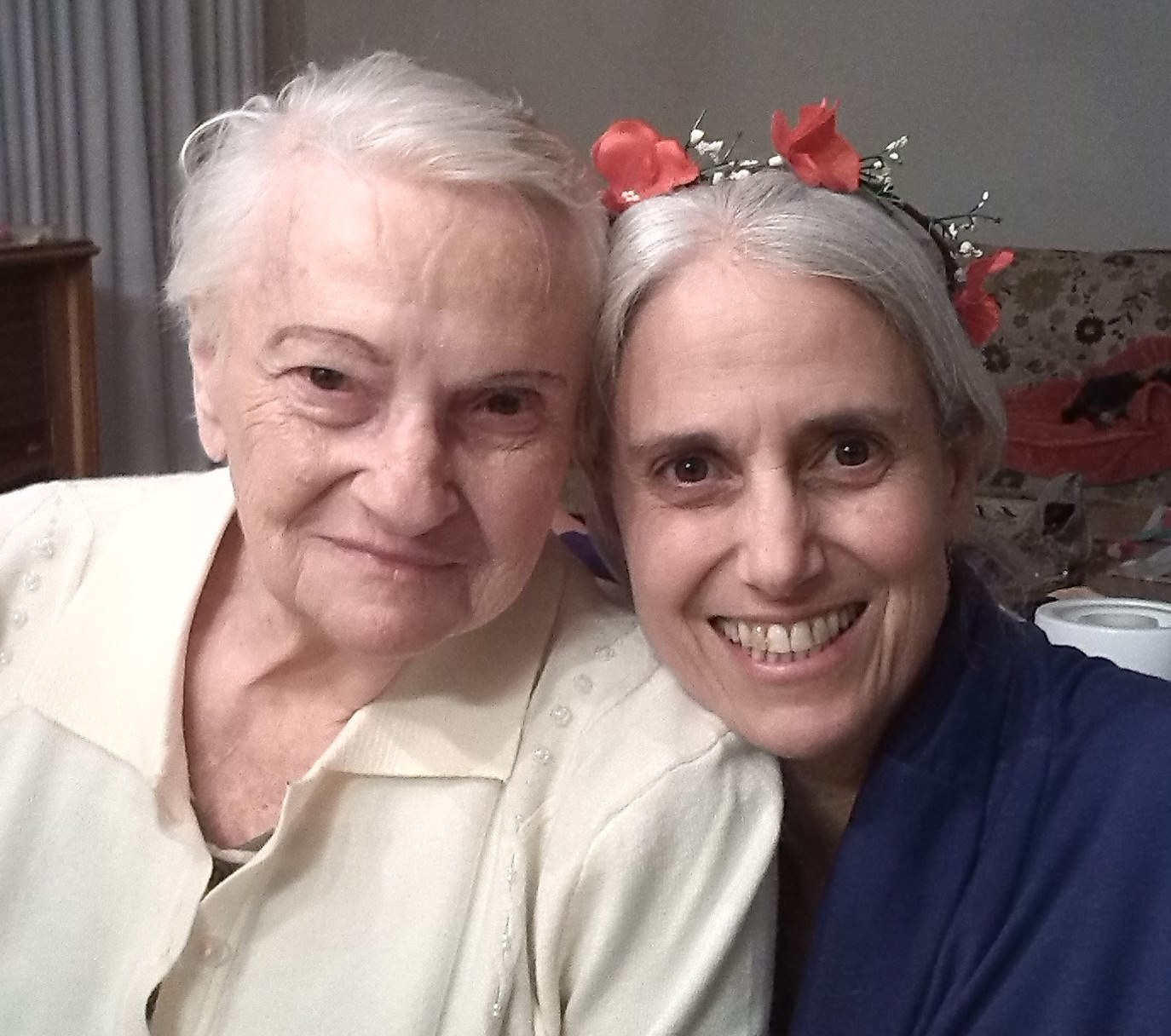
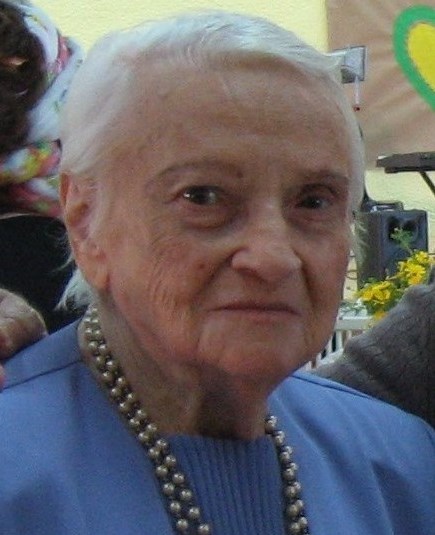
My mother, Esther Bar-Kama, left her body one month ago at the ripe age of 90. She was healthy, lucid and full of vitality. She was busy reading, playing Free Cell on the computer, arranging and rearranging her drawers and closets, and of course – enjoying her grandson and granddaughter. One evening she didn’t feel well. She spent the night in the hospital, and the following morning, while fully conscious, simply stopped breathing.

Over the years she gave me many gifts, other than the gift of life itself. In her way of life and personality she embodied the values upon which she raised my brother and me. She was exceptionally nonjudgmental. She gave us total freedom to live our lives the way we saw fit, and encouraged us to seek and find our own personal path, not to simply follow the road paved by others. She never complained, never nagged, and never tried to guilt trip us. She had a fantastic sense of humor. The last gift she gave me was the precious long time of sitting beside her, after she had stopped breathing. Sitting there next to the body that was once hers, with tears and joy. The opportunity to embrace her with so much love and appreciation, and to release her on her way.

A few years ago I had a regular column on Maariv’s NRG website, and the following post was published there. I am posting it here once again and dedicating it, once again, to the wonderful, wise, loving and beloved woman who in this lifetime was my mother.

Mom and I

Living in Peace with Life

My mother is not one to complain. Unlike the familiar image of the Jewish mother, and in stark contrast to her husband, she meets life’s events with stoic serenity, accompanied by a nearly religious philosophy: “In life one must accept the good and the bad.” This sentence is etched within me as one of her typical life-affirming statements, alongside “everything in moderation” which she would repeat every time my brother or I took upon ourselves some kind of new and extreme (in her view) spiritual practice, such as abstaining from dairy, abstaining from coffee or abstaining from sex.

I wonder if she ever knew that the second phrase written over the gateway to the temple of Delphi was Nothing in excess (the first, of course, was Know thyself, which my brother and I took very seriously).

My mother was recently hospitalized at the age of 84 for a few days, where she underwent a series of very unpleasant tests, some quite awful. “What to do,” she said with a sigh of acceptance after one particularly gruesome test, perhaps trying to console me as it was hard for me to see her in pain. “What to do, life is sometimes hard.”

My mother’s spirituality is not expressed through turning to alternative healing methods: no acupuncture or theta healing, no tarot cards or Chinese herbs. Not even meditation. My mother does not consider herself a spiritual person, but for me she is one of the most spiritual people I know, for she lives in peace with life in the deepest way, even in the midst of what is perhaps the most trying times: when the body is suffering.

Our identification with our body usually causes us to take it for granted (or more accurately – not to relate to it at all), as long as it faithfully serves us. However, when the body is stricken with illness or when we feel bad or when we experience loss of control over “our” body – then we suddenly remember that life is not only from the shoulders up.

For many of us the notion that we are not our bodies is not only a philosophical idea but a deep and authentic intuitive experience. Some of us have even had actual experiences of this separation, as happened to me once during an intensive vipassana retreat, when after a long hour of almost unbearable pain in my knees – I suddenly found myself hovering on the ceiling watching my body sitting below, completely free of all mental and physical pain. And still, despite the insights and experiences that testify to the complete opposite – most of us most of the time are firmly identified with our bodies, and any harm to our body is taken as a personal assault.

Stephen Levine writes in his book Who Dies? that people who live in a material society that offers an abundance of luxuries and significantly reduces our struggle for survival, a society that measures self-esteem based on wealth – perhaps particularly tend to identify with their body. Our culture encourages us to spend thousands on cosmetics, weight loss, hair color, face lifts and cosmetic implants, and from early on we are raised with the message that our body image has a crucial impact on how others see us and as a result – how we see ourselves.

This identification is further projected onto our possessions, and we may even find ourselves saying “somebody crashed into me” when in fact someone crashed in my car. Metaphorically, we can express our understanding that we are not our body by saying “my body is sick” rather than “I am sick.” A few days ago, while walking nonchalantly down the street, I sprained my ankle on a crooked sidewalk. Friends and acquaintances that saw me with a bandaged ankle said empathically: what a bummer. It was hard for me to explain that I wasn’t bummed at all; I felt good and in an excellent mood – it was simply my leg that hurt.

Last week we celebrated my friend Aharon’s 50th birthday. He is a close friend and a quite happy fellow. For the occasion, one of his friends wrote and sang him a song with the following lines: “Mother, I’m fifty years old – I’m soft and life is hard…” (It rhymes in Hebrew…). I sat there and wondered if he meant that he has a soft heart, if life taught him to soften at the edges and become more sensitive, or perhaps he was referring to his body, particularly to certain places. Is life really difficult? Does the difficulty lie in the situations and events or in how we relate to them?

My guru, Yogi Amrit Desai, used to say that reality is neither easy nor difficult; it all depends on how we place ourselves in relation to it. We cannot control the events life presents to us; according to the Buddha, all living beings are inevitably subject to ageing, sickness, pain and death, and that is apparently our fate as well. However, we do have the ability to influence how we meet and respond to those very events, how we relate to them. Do we meet these life events with a still, relaxed, balanced, open, and accepting mind? Or do we resist them with a frantic, contracted and automatically reactive mind? The source of our suffering is our resistance to life, to how life is presenting itself to us, to how it unfolds moment by moment. We cannot foresee what the next moment will bring; we can only train our awareness to meet this moment with serenity, openness and acceptance.

Living in peace with life means understanding there is nothing inherently wrong with the events in life, even the most painful and difficult ones. In other words, the problem is not inherent in any particular event, and our suffering does not dwell within external circumstances or events. Our suffering stems from how we perceive these circumstances and events and our response to them. Again and again I hear the dharma teacher Christopher Titmuss repeatedly saying: “Take the problems out of life.” Life in and of itself is not problematic. An ontological perspective sees only facts: this or that event occurred – I sprained my ankle, I celebrated my fiftieth birthday, I lost a great love, my bank account is overdrawn – but when we release our fears and the catastrophic narratives and scripts running in our minds – then these facts become merely facts, devoid of any positive or negative weight; they are part of “What Is” and we can live with them in peace.

The monk Ajahn Sucitto claims the purpose of the spiritual path is to fully grasp that the main problem in life is not the circumstances – difficult as they may be (not enough money, wanting a relationship, wanting out of a relationship, hunger and violence in the world, the 40-year-long occupation…) – but rather the sense in our reflective mind of being bound by these circumstances.

My mother’s tests showed everything to be fine. She enthusiastically resumed her usual activities: tending the garden, reading books, solving crossword puzzles, playing computer games and taking the train to visit her grandchild. Even when the train is packed and, at the age of 84, she ends up sitting on the stairs cramped in between bags, suitcases and soldiers, she doesn’t pass up the opportunity to visit her grandchild. When I said to her, All credit to you! she replied: “What credit? I simply missed him.”

בכדור פורח עם הנכדים

In a hot-air balloon with her grandchildren on her 89th birthday

סנדיה ואימא

IMG_20131115_144048ביומולדת 90

'כשהבודהה יצא למינרווה'

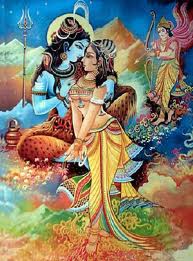
באחד מספרי המיתוסים והפילוסופיה ההודים העתיקים (הפוראנאז), מסופר על המלך אילא שיצא לצוד והגיע לקרחת-יער שֶבה האל שיווה תינה אהבים עם בת זוגו פרוואטי. כדי לענג את אהובתו הפך שיווה את עצמו לאישה. הכל ביער, אפילו העצים, הפך לנקבי, וכשהתקרב – הפך גם המלך אילא לאישה. שיווה צחק במלוא גרונו והבטיח למלך אילא למלא כל בקשה שלו – פרט להפוך אותו חזרה לאישה.

 מסתבר שכבר משחר ימי ההיא-סטוריה הייתה אהבת נשים דבר רווח ואפילו לגיטימי. תופעה ידועה נוספת בהודו היא שחסידים של האל קרישנה, כמו ראמהקרישנה ופונג'ה-ג'י, עוטים על עצמם בגדי נשים, מתאפרים ומתקשטים בתכשיטים, ומחשיבים את עצמם כגוֹפיז – הנערות ה"גרופיז" של קרישנה. מי שמתבוננת בתמונותיהם של המורים והגורואים הגדולים של המאה העשרים לא יכולה שלא להבחין בתופעה מעניינת: נדמה כי קשה לומר אם הדמות המופיעה בתמונה היא גבר או אישה; משהו בזליגה של התכונות הנשיות אל הדמות הגברית גורם לנו לרגע להתבלבל. נראה שכל זה היה חלק אינטגראלי מגבולות ג'נדר נזילים, וכל זאת מבלי שהיו מודעים לתיאוריות הקוויריות שהתפתחו באוניברסיטאות במערב חמישים שנה אחרי כן. גם הבודהה מאופיין לעיתים קרובות בתווי פנים עדינים ונשיים, ולולא האוזניים הגדולות (שיש האומרים שהן נועדו לשמוע את זעקות הסבל של כל היצורים החיים) – קשה היה לזהותו.

 הדרך הבודהיסטית (הדהרמה) היא אוסף של תפיסות, השקפות ותירגולים המכוונים לשחרור מסבל ולחירות, שמקורם בכתבים הקדומים של תורת הבודהה. פירוש המילה ויפאסנה הוא ראייה צלולה. אחת מהנחות היסוד הבסיסיות היא שמה שכובל אותנו וגורם לנו סבל היא תפיסה שגויה (ותמימה) של המציאות ושל עצמנו; אנו תופסים את עצמנו כיצורים נפרדים, חשים צורך להגן על עצמנו מפני הזולת, חוששים לאבד מה שכבר יש לנו וחרדים שמא לא יהיה  לנו בעתיד מה שאנחנו רוצים בו. הקיום שלנו נע כמטוטלת על ציר של פחד ותקווה, תשוקות וסלידות, וחומות ה'אני' שאנחנו מקימים ומקיפים את עצמנו, מביאות לתחושת ניכור, בדידות, חוסר שייכות וחוסר אונים.

היכולת לראות את עצמנו בעיניים חומלות, ההבנה של המחוזות העמוקים שמנהלים אותנו והיכולת להשתחרר מהם – מתפתחות ומתחזקות עם תרגול המדיטציה. ה"ראיה הצלולה" שמציעה הוויפאסנה מאפשרת לנו לראות, לקבל ולהבין לעומק את הפחדים, האמונות וההתניות שמפעילים אותנו וגורמים לנו סבל. הכלים שמציעה הוויפאסנה – הקשיבוּת, ההתבוננות השקטה, החקירה של הנשימה, של תחושות הגוף ושל מצבי התודעה השונים, פיתוח איכויות הלב: האהבה, החמלה, השמחה והחוכמה –  כל אלה תורמים להבנת עצמנו, ליכולת שלנו לחיות בשלום עם עצמנו ועם הסביבה, ליכולת שלנו לפתח אינטימיות עם עצמנו ועם הזולת.

"האושר שלנו תלוי גם בכמה אנחנו מסוגלים לאהוב, את עצמנו ואת הזולת. אם אנחנו כלואים בתוך הפחד שלנו אנחנו סובלים מאוד", אומר ג'ק קורנפילד, אחד מהמורים הבכירים לוויפאסנה במערב.

עד לפני שנים ספורות היה קשה לאתֵר לסביות בעולם הרוחני. הניסיון לערוך פסטיבל רוחני על פי המסורת של השאנטיפי עבור לסביות והומואים לא נחל הצלחה מסחררת, ואף שהמארגנים פינטזו על שלוש מאות דייקיות מאממות והומואים מאגניבים, בפועל הגיעו רק שישים. אם חוקרים את הדינאמיקה של קבוצות מיעוט מופלות, אפשר בנקל להבין את שורשי הסיבה למיעוט לסביות והומואים רוחניקים. על פי הפירמידה של "הגישה ההומניסטית" של הפסיכולוג אברהם מאסלו, אדם או קבוצה חייבים למלא קודם את הצרכים הבסיסיים של השתייכות חברתית, קבלה ואהבה עצמית, הערכה חברתית וכבוד – לפני שיוכלו להתפנות למלא את הצרכים "הגבוהים" יותר של מימוש עצמי והתפתחות רוחנית. כל עוד סובלת הקהילה הלסבית, ההומואית, הבי-סקסואלית והטרנסג'נדרית מאפליה, דיכוי ונידוי חברתיים – יהיה העיסוק בבניית ושיקום תחושת הערך העצמי, הכבוד העצמי ותחושת השייכות עיסוק דומיננטי ברמה האישית וברמה של הקהילה. גם מטעמים של מאבקים פוליטיים למתן זכויות שוות יש צורך לאמץ ולחזק את הזהות הייחודית והשונה של הקהילה.

בחברה בה נתפסת חריגוּת כתופעה שלילית, מפחידה ומעוררת תוקפנות, יש צורך לאמץ דרכים חלופיות ויצירתיות כדי לייצר "סם שכנגד" להומופוביה המופנמת, לרתיעה מלהיות שונה, לפחד מהוקעה חברתית.

בשנים האחרונות נראה שמשהו קצת זז, קצת משתנה לטובה, והעיסוק בזהות האישית ובנטייה המינית הופך להיות יותר משני; יותר ויותר לסביות חשות בנוח עם עצמן, חשות מועצמות ועובדת היותן לסביות היא "לא-אישו". מתוך כך, יותר ויותר לסביות נפתחות אל גישות רוחניות שונות ואל תרגולים רוחניים שונים, שבהם הדגש הוא על האחדוּת, על הצורך לפוגג ולפרק זהויות ולא לחזק זהות נפרדת עצמאית, על המכנה האנושי המשותף לכולנו. כל היצורים החיים רוצים להיות מאושרים, וכל היצורים החיים לא רוצים לסבול, אומר הבודהה. בסדנאות שונות כבר אפשר להיתקל בזוגות של לסביות אוחזות ידיים בפומבי, או משתפות בפתיחות מתוך החוויה האישית שלהן. נדמה שזה כבר לא ביג-דיל לצאת מהארון בסיטואציות סטרייטיות מובהקות, ושהפתיחוּת והקבלה שהעולם הרוחני מציע חלות גם על הלסביות.

יחד אם זאת, עדיין יש נושאים מהותיים רבים שמיוחדים לחוויה הלסבית, כמו תהליך הגילוי האישי והיציאה מהארון, פיתוח זהות חברתית ומגדרית, דימוי גוף וקבלה עצמית. למרות ההתקדמות הרבה שחלה בשנים האחרונות, לסביות רבות נאלצות עדיין להסתיר את זהותן במקום העבודה או מול המשפחה; לסביות רבות, שהפנימו מסרים שליליים שקיבלו בבית, מתקשות לקבל את עצמן ומתכחשות לקריאת הלב העמוקה ביותר שלהן; לסביות רבות עדיין חיות בפחד מחשיפה ובניסיון להיות "נורמלית", ובמאבק מתמיד עם עצמן ועם כמיהותיהן ואהבותיהן.

עבור נשים לסביות, בין אם הן בתהליך ראשוני של התמודדות עם הגילוי, הקבלה העצמית והיציאה מן הארון, ובין אם הן חיות בשלום, בפתיחות ובהרמוניה עם עצמן ועם העולם – הדרך הבודהיסטית מציעה ראייה רחבה יותר, פרספקטיבה עמוקה יותר, על החיים. כמעט לכולנו מגיע רגע בחיים שבו אנחנו שואלות את עצמנו מהם הדברים החשובים לנו באמת, מי אנחנו רוצות להיות, איך אנחנו רוצות לחיות והאם החיים שאנחנו חיות והבחירות שאנחנו עושות תומכות בכך. הרגע הזה, או הרגעים האלה, הם רגעים מקודשים; הם רגעים של התעוררות והם מביאים אותנו לחקור מה יש עוד בחיים האלה מלבד הרצון לשרוד, לצרוך ולהתרבות, מלבד החיפוש הבלתי נלאה אחרי נוחיות וביטחון.

לסביבה נשית-בלבד יש עוצמה משלה, בין אם היא מתנהלת בשתיקה או בשיחה. בשיחות בתי קפה תל אביביות, במעגלי שיתוף והכלה, או בטקסים שמאניים לנשים – החוויה שלי היא שכשנשים נמצאות רק בחברת נשים ולא בחברה מעורבת, מתאפשרת אינטימיות, נוצר שיח אחר, אנחנו מרשות לעצמנו להשיל את המסכות, לחשוף ולהיחשף. בסביבה כזאת מתאפשר מפגש עם משהו עמוק בפנים שהוא למעשה הדבר הכי קרוב, הכי אותנטי, מפגש עם קול שהוא מאוד רפה אבל תמיד נוכח, ושבדרך כלל אין סביבנו או בתוכנו מספיק שקט כדי לשמוע אותו.

זו הזדמנות למצוא את הדרך לחוכמה הנשית הפנימית שיש בתוכנו ולמקום שבו יש את כל התשובות, בתנאים שמאפשרים מפגש אינטימי ונוקב עם עצמנו, יחד עם התבוננות מכילה יותר, לא-שיפוטית, חומלת. סביבה נשית יוצרת למעשה 'מרחב מוגן' שבו אפשר לגעת בעולמות הפנימיים של הלב, ולחוות את המהות חסרת הגבולות של הלב ואת היכולת שלנו לאהוב, לחמול, לשמוח ולהביא ריפוי.

הקונפליקטים הפנימיים שלנו הם מקור לסבל, והיכן שיש סבל יש גם רצון טבעי ואנושי להשתחרר ממנו.  הדרך המדיטטיבית מציעה לחקור, באופן חוויתי ולא אינטלקטואלי גרידא, את האמונות, התפיסות והדפוסים שאנו חוזרות עליהם שוב ושוב ושלא משרתים אותנו יותר.

אני מאמינה שהנטייה הלסבית יכולה להוות גורם לסבל עמוק – או עשויה להיות שער לתובנות טרנספורמטיביות, היא עשויה להיות שער לקבלה עמוקה של עצמי ושל הסובב אותי ולהבנה חדשה את מקומי ואת תרומתי בעולם, היא יכולה להוביל להעצמה אישית, להתעוררות ולחירות.

פשטות מובילה להתעוררות

שיחת דהרמה מריטריט ראה"ש תשע"ד

simplicity

כדי להקשיב לשיחה המוקלטת אפשר ללחוץ כאן.

נושא השיחה היום הוא מונח שמופיע הרבה במסורת הדהרמית, שבאנגלית נקרא סימפליסיטי, והתלבטתי איך בדיוק לתרגם אותו לעברית. אני אשתמש במונח 'פשטות', אם-כי אני לא בטוחה שהוא מדייק את מה שאני מתכוונת אליו כשאני אומרת סימפליסיטי, אבל אני מקווה שהשיחה תזרה אור על הנושא וזה יתבהר.

האיכות הזאת של פשטות, והחשיבות בלפשט את חיינו, מופיעה בהרבה רשימות של הבודהה, שהוא מנה כאיכויות שהוא ממליץ לפתח ולטפח. ולמרות שהיא מככבת בהרבה רשימות – לא מספיק נותנים לה תשומת לב, לא מספיק מדברים עליה. אולי כי היא לא נושא כל כך סקסי…

אז אני רוצה להקדיש לה את השיחה הערב: מוקדש בהערכה לפשטות.
אחרי יום שלם של תרגול כאן בריטריט, נדמה לי שתסכימו איתי שכמעט כל הזמן אנחנו מחפשים איזושהי חוויה. אנחנו מתיישבים למדיטציה או עושים מדיטציה בהליכה, ואנחנו כל הזמן באיזשהו חיפוש אחרי חוויה מיוחדת, מעניינת, מרתקת. במיוחד לקראת סוף הריטריט אנחנו מחפשים חוויה שיהיה אפשר לסכם איתה את הריטריט. בסופו של ריטריט קודם שלימדתי, מישהי שיתפה והשתמשה בביטוי: 'מֶגָה-חוויה', שהייתה לה 'מגה-תובנה', ואז כל האחרים התחילו לבדוק את עצמם: "רגע, האם הייתה לי מגה-תובנה או שאולי התובנה שלי לא הייתה כל-כך מגה…"
ריטריט הוא מעין מעבדה שבה אנחנו חוקרים את ההוויה הזאת שאנחנו קוראים לה 'אני', או 'גוף-נפש', ואת החיים, ואנחנו מגלים דברים שמחוץ לריטריט החיים שלנו אולי מהירים מדי וסוערים מדי ולא סימפליפיי מספיק כדי שנשים לב אליהם, וזה אחד הדברים שריטריט מספק; התנאים המאוד פשוטים מאפשרים לנו להוריד הילוך, להוריד תדר, ולחקור מה קורה. והרבה פעמים, החוויה של מה שקורה עכשיו היא לא כל-כך מסעירה, היא לא כל-כך מעניינת, וחלקכם דיברתם על המפגש עם שעמום.
אבל גם כשנדמה לנו שאנחנו לא חווים כלום – אנחנו כל הזמן חווים משהו. למעשה, אין רגע ללא חוויה. כמעט כל רגע יש איזשהו צליל, אם לא צליל שנקרא 'חיצוני', אז צליל שנקרא 'פנימי', אולי אנחנו שומעים את הנשימה שלנו, או אולי את הנשימה של זה שיושב על ידנו, יש את צליל המזגן, את הרחשים של האנשים שסביבנו. כשאנחנו בחוץ אז בכלל יש חיים שלמים של צלילים וקולות, של ציפורים ושל אנשים ושל תנועה, רוח, בישולים, אנשים מדברים. אם אנחנו עם עיניים פקוחות יש חוויה של ראייה, יש מפגש עם מראות. כל רגע יש תחושות גופניות: חם לי, קר לי, נוח לי, לא נוח לי, מגרד… הברך כואבת, הרגל נרדמה…
בכל רגע ורגע כמעט כל חמשת החושים נוכחים. לפעמים לא נחוש איזשהו ריח או טעם, אם אנחנו עם עיניים עצומות לא יהיו מראות, אבל הגוף והתחושות הגופניות תמיד ישנם.

אבל יכול להיות שתגידו: "לא לחוויה הזאת פיללנו. זה לא החוויה שאנחנו מחפשים, זו לא חוויה מספקת מספיק, זו לא חוויה מעניינת מספיק". יש מסורות של מדיטציות ששמות במרכז התרגול חוויות מדיטטיביות מסוימות, שנחשבות אולי ליותר משמעותיות ככל שהן יותר אינטנסיביות. אבל בתרגול שלנו אנחנו לא מחפשים שום חוויה מיוחדת, גם אם זו חוויה שנקראת מיסטית, או מדיטטיבית או מאוד עוצמתית. אם היא קורית היא קורית, אבל אנחנו לא מחפשים אחרי חוויות כאלה.
אז מה אנחנו כן מחפשים? למעשה, יהיה נכון לומר שאנחנו לא מחפשים דבר. אנחנו רוצים לפגוש את החוויה שקורית לנו ברגע זה גם אם היא האורדינארית ביותר, הרגילה ביותר, גם אם אין בה כביכול שום ייחוד.
גם אם היא כמו שאומרים Nothing to write home about

כשאני משתתפת בריטריטים כמתרגלת, לעיתים אני מוצאת את עצמי אוספת לי בראש חוויות לספר בבית, כאילו להצדיק את הריטריט שהיה משמעותי, להצדיק אותו אולי לעצמי: "את זה אני חייבת לזכור, אולי אני אתגנב ליומן ואכתוב איזו תזכורת קטנה, זאת הייתה חוויה כל-כך חשובה, כל-כך משמעותית, כל-כך עוצמתית… ואולי היא תקרה עוד פעם, אולי אם אני אנסה לזכור איך זה בדיוק קרה ואיפה בדיוק ישבתי ועל מה בדיוק חשבתי…"
אלא שכאמור, אם החוויות האלה קורות הן קורות, אבל אנחנו לא מחפשים אחריהן, אנחנו לא מחפשים אחרי חוויה מיוחדת, מעניינת, כי אנחנו רוצים בריטריט לאט-לאט לפתח ולטפח עניין וסקרנות בחוויות שאנחנו קוראים להן לא מעניינות, שהן לא מרגשות אותנו, שהן "רגילות".
מחוץ לריטריט, בחיים "הרגילים", אין לנו זמן או יכולת לשהות ולחקור את החוויות "הרגילות" האלה, כי התודעה מהירה מדי, עמוסה מדי, טרודה מדי מכדי להיות מסוגלת לעצור, להאט במידה מספקת כדי ממש להיות בנוכחות עם התחושות האלה, עם החוויות האלה. אנחנו מורגלים בחוויות מאוד אינטנסיביות ומה שבתדר מופחת לפעמים פשוט לא נרשם בתודעה.
כך שבריטריט אנחנו באופן מכוון מורידים הילוך, מאטים את התדר, ושמים לב יותר ויותר לתחושות פחות ופחות אינטנסיביות, יותר ויותר מעודנות. אנחנו מכיילים את התודעה לתדר יותר מעודן.
לפני כמה זמן ראיתי סרט שנעשה בשנות ה-80, סיפור אמיתי של אדם אחד ועיתונאי אחד שסיכנו הכול ויצאו נגד חברות הטבק בארצות הברית, וזכו במשפט. סרט מעורר השראה. אלא שהוא היה כל כך איטי! זה היה ממש מוזר, איך המצלמה שוהה על הפנים של הגיבור כשהוא חווה קושי, והיא שוהה, ושוהה ושוהה… זה פשוט לא ייאמן שבעשרים שנה כמה המדיה השתנתה, כמה היא נהייתה מהירה, תובענית, קופצנית, אינטנסיבית, וכמה זה לא מפתיע שכולנו פחות או יותר עם איזושהי רמה של הפרעת קשב וריכוז.
הרבה פעמים אנחנו חווים את החיפוש הזה אחרי חוויה, אחרי התחושה הנעימה או החזקה הבאה, כדי שנרגיש חיוּת, כדי שנרגיש בחיים, כדי שנרגיש משהו. כדי שלא נשתעמם, לפעמים עד כדי כפייתיות והתמכרות. אנחנו כל הזמן מקצינים. יש היום ספורט-אקסטרים – קשה לדמיין בזמנו של הבודהא, האיכרים שכל חייהם סבבו סביב הכפר שבו הם נולדו, גדלו, הזקינו, הקימו משפחה, עיבדו את האדמות מסביב ובכפר הזה הם גם ימותו, קשה לדמיין בכלל את הקונספט של ספורט-אקסטרים: באנג'י, סרטי אימה, צניחה חופשית, הצורך הבלתי-פוסק בהגברת הסיכון, המהירות, האינטנסיביות. אנחנו צריכים היט, צריכים לצרוך מנות חזקות בשביל להרגיש בחיים.
החיפוש הזה עלול לעוור אותנו לחוויה של הרגע הנוכחי, שאם הוא לא טעון ברגשות מאוד חזקים – הוא מרגיש לנו דל, משעמם. הצורך הזה כל הזמן להשתוקק מעוור אותנו וחוסם אותנו ממה שקורה ברגע הזה. והרגע הזה הוא עולם ומלואו. לא תמיד נעים, לא תמיד קל, אבל עולם ומלואו. כל החושים חיים, כאן ועכשיו. הראייה, השמיעה, התחושות הגופניות – זה כואב וזה לא נוח וזה מציק… ועייפות… ונמנום.. ורגשות…
כל כך הרבה קורה כאן, רק צריך להסכים לכייל את תשומת הלב, לכייל את העין למשהו יותר מעודן, את האוזן למשהו יותר מעודן, לכייל את התודעה כדי לפגוש את החוויות של הרגע הזה.
וצריך להסכים להפסיק את החיפוש.
גם אם החיפוש הוא אחר חווית המדיטציה הנפלאה שהייתה לי הבוקר. אולי באמת הייתה מדיטציה נפלאה בבוקר ואילו עכשיו לא-נוח, והגוף כואב, ויש המון מחשבות וזה מציק וזה קשה – אבל זה מה שיש עכשיו. מה שהיה במדיטציה בבוקר – long gone!
לא קיים.

הרבה פעמים המפגש החושי הראשון משאיר יותר רושם. ברגע הראשון שיש קונטאקט זו חוויה יותר חזקה ולכן יש יותר נוכחות. למשל, כניסה למקלחת אחרי יום ארוך וחם, הרגע הראשון של המים על הגוף: "אהה!"… או ביס ראשון בארוחה, הביס הראשון שנותנים על העגבנייה עם הטחינה… וכשמגיעים אל המיטה אחרי יום ארוך שישבנו הרבה והגוף כואב והצטברה עייפות וצונחים על המיטה: "אהה…". איזה כיף.
אבל ודאי שמתם לב כמה מהר התחושה הנעימה הזאת מתעמעמת, מתפיידת. מהר מאוד יש תהליך של האביטואציה, של התרגלות במוח, של הסתגלות לחוויה. שימו לב פעם הבאה שאתם מתקלחים – הרגע הזה של ה"אהה!" – והופ! כמה מהר המחשבות כבר נודדות למקומות אחרים.
ארוחה זה זמן נהדר לשים לב, כי אכילה זו פעולה כל-כך מורגלת, וככל שפעולה יותר מורגלת, ככה יותר קשה לנו להישאר בנוכחות, במודעות, בתשומת לב, במיינדפולנס. אנחנו אוכלים כבר כך וכך שנים, ואיך שאנחנו מתיישבים ליד הקערה – הופ! אנחנו עושים צ'ק אאוט, אנחנו במקום אחר. אולי שמחנו עם הביס הראשון ואז נדדנו לנו למחוזות אחרים.
יש כמה טיפים בשביל להחזיר אותנו לנוכחות: אם אתם מתענגים על מקלחת חמה טובה, ברגע מסוים תפתחו בבת-אחת את המים הקרים. מתוך ניסיון אישי של טבילות במוצא של נהר הגאנגה בהודו, (ככל שהגאנגה יורדת דרומה היא נהיית יותר חמימה, אבל במקור שלה היא יוצאת מתוך לוע של הר קרח מושלג), אני לא מאמינה שיש אדם אחד בעולם שיכול לטבול שם ולחשוב על משהו אחר תוך כדי.
טיפ נוסף לגבי ארוחות: כשאתם שמים כל מיני דברים על הצלחת, קודם כל תיקחו ביס אחד מכל דבר. ביס מהאורז, אחר כך ביס מהטחינה, אחר כך מהדאל… כי הביס הראשון יש בו יותר נוכחות.
אלא שאלה הם כל מיני טיפים להחזיר את הנוכחות הבורחת, את תשומת הלב הנודדת, את המודעות, אבל אלה הם רק טיפים. בתרגול המדיטציה אנחנו מנסים לפתח את היכולת להישאר בנוכחות גם כשהחוויה החזקה מתעמעמת ומתקהה, אנחנו מאמנים את התודעה להישאר נוכחת גם לטונים או לגוונים שהולכים ופוחתים באינטנסיביות שלהם. שהולכים ונהיים יותר ויותר מעודנים.

לפני כמה שנים נסעתי לתקופת תרגול במזרח, למנזר בדרום תאילנד, והשתתפתי בריטריט מדיטציה. הגעתי בדיוק כשחגגו את החג של סוף המונסון, אלא שתאילנד היא ארץ גדולה וכשבצפון, בבנגקוק, נגמר המונסון, אלה הם פחות או יותר החודשים שבהם מתחיל המונסון בדרום.
אז תוך כדי חגיגות, השמים התקדרו והשחירו ובכל 12 ימי הריטריט לא הפסיק לרדת גשם לרגע אחד, ואני מתכוונת מבול, והשמים היו כל כך שחורים במשך כל היום, שלא היה לי מושג מאיזה צד השמש עולה ואיפה היא שוקעת, הכול היה שחור. בוססנו במים עד השוקיים כל הזמן, הלוך ושוב מחדר האוכל לאולם המדיטציה ולמעונות, זה היה מונסון מאוד כבד, כפרים התנתקו, כבישים הוצפו ונסגרו, את האולם המדיטציה נאלצו לפנות למקום אחר כי הוא הוצף. זה לא היה בדיוק אולם אלא סככה עם רצפת חול ולפחות לא היו צריכים לדאוג שכריות-המדיטציה יתרטבו כי לא היו כריות כאלה. היה לנו מקסימום עבור רכי הלב, הלוזרים, שהיו ממש חייבים איזושהי תמיכה, היו מאחור ספסלי עץ מזעריים שאחרי שעה אחת של ישיבה עליהם הישבן היה מתחיל לצעוק ולהתמרד. אלה היו התנאים, ורק בסוף הריטריט אמרו לנו שלא רצו להגיד לנו בהתחלה על כל היצורים שמסתובבים במים, שגם הם יצאו לחפש אדמה יבשה, כל הנדלים והעקרבים, אז אנחנו דשדשנו במים בבורוּת שהיא לפעמים יתרון. את הבגדים כמובן שאי-אפשר היה לכבס, כי הכול היה נרטב שוב או מתמלא עובש.
אבל הייתה שם נקודת אור אחת, חוץ כמובן מהדהרמה והתרגול: היו שם מעיינות חמים. מעיינות טבעיים חמים, ממש חום עם בועות, כמו ג'קוזי בתוך החורש. וואו! כשבחוץ יורד גשם ורטוב ולח ולא נעים, לשבת בתוך המעיין הזה היה אקסטאטי!
מחוץ למעיין הייתה מקלחת של מים קרים, ויום אחד גיליתי את הנפלאות של לשבת במים החמים שעה ארוכה עד שמרגישים שהולכים להתעלף, ואז לצאת ולקחת מקלחת קרה מאוד שמעירה את כל החושים בבת אחת. ואז להיכנס שוב למים החמים, וחוזר חלילה.
מה שנקרא Maximizing pleasure.
מזל שאין מעיינות חמים פה בעין דור כי אז אולם המדיטציה היה ריק…

אבל החוויה העוצמתית הזאת, של: "וואו, כמה נעים וכמה טוב, ועוד במסגרת דהרמית!" בסופו של דבר נגמרת: חם – קר, חם – קר, – נגמר. כמה צמחתי בתבונה מהחוויה הזאת? איזה אינסייט הפקתי ממנה? מה החוויה הזאת באמת נתנה לי, הועילה לי? מה למדתי ממנה?
כי גם אחרי החוויה העוצמתית ביותר, אנחנו חוזרים ל… לְמה? לַכלום הזה, לַשעמום הזה של לשבת וללכת, לשבת וללכת, לחוויה של הרגע הזה, שכל מה שיש בה זה ראייה, ושמיעה, ותחושות גופניות, שהן מאוד מינוריות יחסית לחום של המעיינות החמים והמקלחת הקרה. ואם לא ממש למדנו משהו מהחוויה הזאת – אז מה היא מועילה לנו? היא רק עונג קצר מועד.
מורה הדהרמה צ'ארלס ז'נו אומר: "לפעמים אנשים חווים חוויה מיוחדת, וחוויה זו לא בהכרח מגיעה עם תבונה, כאשר אין בסיס, תשתית, שעליהם החוויה יכולה "לנחות" שתיצור סדק באמונה שלנו במציאות. היא אינה יוצרת פקפוק או הטלת ספק בתפיסת העולם שלנו. לפעמים יש לאנשים חוויה והיא רק "טריפ", אין לה אימפקט, היא לא משנה אותנו, בגלל שהחוויה הזאת לא איתגרה אמונות יסוד."
לכן הבודהה דיבר על פשטות כעל מידה טובה שמובילה להתעוררות. לפשט לא רק את התנאים החיצוניים, כמו שאנחנו עושים כאן בריטריט. כמובן שהכול יחסי – התנאים בתאילנד היו עוד יותר בסיסיים מאשר כאן – אבל עדיין התנאים כאן מאוד בסיסיים יחסית למה שאנחנו רגילים מהבית, וזה מכוון. גם הארוחות – כמה שהן נפלאות, הן לא ארוחות גורמה, וזה מכוון. כי הנטייה שלנו, ההתניה שלנו, היא כל הזמן לחפש חוויה חזקה, חוויה חזקה בטעם, חוויה חזקה בראייה, חוויה חזקה של טעם וריח, של תחושות גופניות.
לימדתי פעם ריטריט בירושלים והקבוצה אמרה: למה שלא נקום בבוקר ונראה את הזריחה? אם אנחנו כבר קמים כל-כך מוקדם, שזה בכלל הזוי, למה שלא נשב ונראה את הזריחה? למה נכנסים לחדר ועוצמים עיניים כשבחוץ יש חוויות כל כך מרגשות כמו זריחה?
זריחה זה באמת דבר מרגש. אני ממליצה לכם לקום לפני שש, לפני הפעמון, ולצאת לראות את הזריחה.
אבל המטרה שלנו כאן היא לא לספק לכם חוויות מרגשות, או מענגות, או חוויות קָצֵה. ואנחנו כל הזמן בחיפוש אחר חוויות קצה. נעימות כמובן. במקום זה, אנחנו כאן רוצים להתאמן בלפגוש את החיים. כי על מה בעצם אנחנו מדברים כשאנחנו אומרים לפגוש את חמשת החושים? אנחנו פוגשים את החיים. ואם אנחנו כבר מדברים על החיים, אני רוצה קצת לגעת ולעשות רפלקציה על החיים שלנו "בחוץ", מחוץ לריטריט. כמה החיים שלנו עמוסים, כמה מתוך הפעילויות שבהן אנחנו מעורבים הן למטרות עונג והנאה בלבד, וכמה מתוכן הן לטובת התעוררות.
כיצד אנחנו מזינים בחיים את הרצון להתעורר? ובאילו דרכים אנחנו מזינים או תומכים ברצון לא להתעורר, להמשיך עם ההרגלים וההתמכרויות הקטנות או הגדולות? כי יש בנו גם חלק שלא רוצה להתעורר. כמה זמן מהיום או השבוע או החודש מוקדש לפעילות-תומכת-התעוררות, או מוקדש לתמוך במה שחשוב לנו, כל אחד/ת במה שחשוב לה או לו, אם זה להיות בחיבור, להיות באהבה, להתפתחות רוחנית, צמיחה אישית? כמה מהפעולות שלנו ביומיום, בשבוע, בחודש, מוקדשות למה שאנחנו אומרים שבאמת חשוב לנו, וכמה מהן הן בשירות ההרגלים וההתמכרויות והנוחוּת. כמה דברים בחיים שלנו אנחנו יודעים שמייצרים סטרס, שתורמים לבלבול, לקושי, לעומס, ואנחנו לא מסוגלים להפסיק או לשנות אותם.

מה צריך לקרות כדי שנשנה או נשתנה: מחלה? התקף לב? אובדן של אדם קרוב? איזה סוג פטיש של חמישה טון צריך לרדת לנו על הראש כדי שנתעורר, והאם לא כדאי להמיר אותו בלי לחכות לו, ולהסתפק בפטיש של 5 קילו. מהם סדרי העדיפויות שלנו בחיים ובמה הם תומכים? מה אנחנו אומרים לעצמנו שאנחנו חייבים ושאנחנו לא יכולים בלי, והאם אפשר לבדוק אם זה באמת נכון. האם אנחנו חייבים פייסבוק? וואי-וואי, נגעתי בפרה קדושה… חייבים וואטסאפ? חייבים באמת כל הזמן להיות מחוברים ומקושרים? תחשבו כמה היה קשה להיפרד מהטלפונים הניידים כאן בריטריט. אולי זה המקום והזמן היחידים שאנחנו עושים את זה! חוץ מאנשים דתיים שיש להם את המתנה של שבת והם מכבים אז הכול.

אני רוצה לקרוא קטע ממאמר שהופיע ב"הארץ" בשבוע שעבר. רוית הכט כותבת על האדם בעידן הסמארטפון:
"…האדם חווה בימי הסמארטפון הראשונים שלו התעלות רוחנית, כזו המאפיינת ילדים בכניסתם לחנות ממתקים חדשה. הקולות, הצבעים והצלילים החדשים שהולכים איתו לכל מקום דורסים ללא קושי את נכסיו הרוחניים הקודמים, שכרגע נראים לו כמו ארגזים עלובים של מציאות אפרפרה ומשעממת. האדם מוותר, די בחדווה, על זמנו הפנוי, שנהפך למישמש של שאריות עבודה ופלז'ר אינסטנט שהוא שואב מהתעדכנות בזק ברשתות השונות; הוא מוותר, די ברצון, על הזכות והחובה להסתכל בפני אשתו כשהיא מדברת אליו, על העול המתיש והמענג הכרוך בצפייה בילדיו הגדלים, על הצורך להקשיב לחבריו בתשומת לב מלאה. כל אלו, בעידן הסמארטפון והרשתות החברתיות הדולקות בו, הופכים לנושים קטנים ודי מעצבנים שרוצים לגזול ממנו משהו, שעה שכל מעיינות התשוקה, החרדה והכוונה שלו מופנים למקום אחר, שגורם לו להתהלך בעולם כפוף ורכון למכשירו. "שנייה" הוא הודף אותם בפנים חמורי סבר, כי הוא חייב לענות למייל חשוב או להודעה בקבוצת הווטסאפ או להתעדכן בדבר־מה מסעיר שקורה כרגע במסעדת "טאיזו" שבה חוגג יומולדת קיבל את המנה הראשונה והעלה אותה לאינסטגרם.
"בשבת, כשהוא מבלה עם משפחתו הוא לא שם לב לכך שקיומם הגשמי, שאינו מתווך בפילטרים ובכותרות שנונות, כבר לא מעניין אותו כל כך (אלא אם הם מונחים לפניו בפריים מגניב).
"האדם דווקא כן שם לב לדברים אחרים: לדריכות הקופצנית הלא ברורה ולשעמום המרגיז שמתרוצץ לו מתחת לעור וגורם לו לרפרש שוב ושוב את הפיד, ולחייך קצת כשיש לייק או הודעה חדשה, רק כדי לחזור תוך שניות אחדות לאותה ריקנות זוחלת וחוסר סיפוק שמתקתק לו בגוף."

למה אנחנו כל הזמן רוצים להיות מחוברים, להיות בתקשורת? מה זה נותן לנו? אולי תחושת חיבור, תחושת שייכות, להרגיש שאנחנו לא לבד בעולם, שיש מי שמתרגש איתנו, שמזדעזע איתנו, אולי כך אנחנו לא חווים בדידות. הכול בשביל לא לחוות בדידות.
בריטריט הזה אני רוצה להזמין אתכם להסכים לפגוש בדידות.
להסכים לפגוש כל מה שעולה. בדידות זה חלק מזה. חלק מהחיים.
זה לא רק פייסבוק ווואטסאפ: חלקנו למשל עובדים הרבה יותר מדי שעות – אולי מה שמניע אותנו זו חרדה, חרדה כלכלית, חרדה הישרדותית. אנחנו יכולים לשאול את עצמנו האם אנחנו באמת חייבים לעבוד כל-כך הרבה. האם אנחנו באמת חייבים לראות כל-כך הרבה טלוויזיה? את כל הסדרות, את כל הריאליטיז? באמת חייבים?
לי אין טלוויזיה בבית ואני לא במיוחד אוהבת סדרות, אני מעדיפה סרטים, ובכל זאת יצא לי לאחרונה לראות סדרה שעוסקת באנשים צעירים בשנות ה-30 שלהם בסקוטלנד, והייתי די בשוק מכמות האלכוהול והסמים והבדידות והניכור והשקרים, עד שפתאום, באיזו תובנה מטלטלת, נזכרתי שבדיוק ככה גם אני הייתי בשנות העשרים שלי בניו יורק. ואני מודה לדהרמה ולתרגול שהראו לי שיש גם דרכים אחרות. שאפשר לפתח מודעות ורגישות וחיבור שלא תלוי במחשב, או בדברים אחרים. שיש אפשרות להתעורר התעוררויות קטנות שמאפשרות גם קיום אחר.
אז כאן בריטריט יש לנו אפשרות לחוות איך נחווים החיים בלי להיות מחוברים, בלי וואטסאפ, בלי סמסים, בלי פייסבוק, בלי עיתונים, בלי ספרים, בלי טלוויזיה, בלי להיות מעודכנים כל הזמן, אינסטנט, מה קורה עכשיו, מה קורה בעולם, מה קורה עם החברים שלי. אגב, סגרתי את חשבון הפייסבוק שלי ואני לא יודעת מה קורה כל רגע ורגע עם החברים שלי – ואני עדיין בחיים! Believe it or not…
זה לא שאתם צריכים לסגור את חשבון הפייסבוק שלכם, זה רק להיות במודעות שהבחוץ משפיע על הבפנים. וכמו שמישהי סיפרה היום בקבוצה שהיא יושבת במדיטציה ועולים לה סרטים מפחידים – סרטים אמיתיים שהיא ראתה בעבר, סרטי אימה. כשאנחנו מתחילים לחוות איך כל מיני סרטים שראינו מתחילים להופיע לנו במדיטציה, זה תמריץ מצוין לשים לב ולהקפיד טוב-טוב מה אנחנו מאפשרים להכניס למוח ולתודעה הזאת.
באותה המידה כמו שבימינו, לפחות בחוגים שאני מסתובבת בהם, יש המון מודעות למה שאנחנו מכניסים לגוף. יש עכשיו טרנדים של צמחונות ושל טבעונות ושל רו פוד ושל שייקים ירוקים ושל מזון-על – ושל גוג'י בריז, והאמת היא שזה חשוב. לפני שבוע גם אני נכנעתי – אני לא אוהבת טרנדים, אבל יש טרנדים טובים ואולי זה טרנד טוב – והפסקתי סוכר, קפה, מוצרים מן החי ומוצרי חלב. והתחלתי לא רק לעשות שייקים ירוקים אלא גם לדבר על זה כל-כך הרבה עם כל החברים שלי, להתייעץ איזו אצה מוסיפים ואיזה עלים יש יותר אנרגיה וכולי, עד כדי כך שהבת-זוג שלי אמרה שלי שהיא לא מוכנה שצמד המילים "מזון-על" יופיע יותר בבית. עכשיו כל פעם שאני רוצה להקניט אותה אני הולכת אחריה ואומרת לה: מזון-על, מזון-על…
אז כמו שאנחנו במודעות הולכת וגוברת לגבי מה שאנחנו מכניסים לגוף, אנחנו רוצים את אותה המודעות למה שאנחנו מכניסים למיינד. לתודעה.
שתי שורות משיר של טי. אס. אליוט, המשורר האנגלי, שאני מאוד אוהבת עולות לי בראש:
A condition of complete simplicity
Costing not less than everything.
מצב של פשטות כל כך מלאה, כל כך מוחלטת, שהיא עולה במחיר של לא פחות מהכול.

כשבחיי היומיום אנחנו שבויים בעשייה בלתי פוסקת, ייתכן שזה מפני שאנחנו מפחדים לעצור, כי אז אולי נפגוש את החרדות, את הדיכאון, את הבדידות. העומס החיצוני משפיע על העומס הפנימי. בשנה האחרונה למשל, דוגמה אחת, הייתה מגיפה ממש של הורים ששכחו את התינוקות שלהם באוטו, וכתבו בעיתון שבגלל העומס של איך שרובנו חיים זה עלול לקרות לכל אחד מאיתנו. ועוד דבר מעניין שקראתי זה שכבר יש את הטכנולוגיה לייצר מכוניות אוטונומיות. מכונית אוטונומית זו מכונית ללא נהג, מזמינים אותה בטלפון, היא בא בבוקר לבד (אומרים שכל אורח החיים עם מכוניות פרטיות הולך להשתנות כי לא יהיה בהן צורך), אוספת אותנו מהכניסה לבית, נכנסים למושב האחורי, אומרים לה את כתובת היעד, והיא נוסעת.
ומה שתפס את תשומת לבי בידיעה הזאת היה הסיבות למדוע משקיעים כל כך הרבה משאבים בפיתוח של מכונית אוטונומית. אז הסיבה הראשונה זה באמת בשביל להפחית באופן מאוד משמעותי את תאונות הדרכים. הסיבה השנייה שהייתי מצפה שזה יאפשר לבנאדם להתרווח במושב האחורי, לנשום, לעשות מדיטציה, לקרוא ספר טוב, אתם יודעים מה – אפילו לגלוש בפייסבוק. אבל לא – זה יאפשר לאדם להיות יותר יצרני! הוא יוכל להתחיל לעבוד כבר במכונית, לפני שהוא מגיע למשרד. אנחנו הופכים מבני אנוש למכונות יצרניות.
אז כאן בריטריט אנחנו ממליצים שהחיים שלנו יכללו גם פרקי זמן של פסקי זמן. בין אם פסק זמן יומי, שבועי או חודשי. כמו שלבוא לכאן לריטריט זה לקחת פסק זמן. כי כמו שהבחוץ משפיע על הבפנים, הבפנים משפיע על הבחוץ, ודברים לאט-לאט נושרים, ואז הדברים שנושרים הם כבר לא ויתור במובן של מאבק, אלא אנחנו לאט-לאט מאבדים בהם עניין.

במאמרו 'מהו ויתור' (Renunciation), אומר לאמה טובטן ישה: "וויתור על הנאות חושים אינו אומר לזרוק דברים יפים לפח. ויתור הוא לחלוטין חוויה פנימית. ויתור משמעו להשתוקק פחות."

בשנות העשרים שלי התגוררתי בעיר ניו יורק, ואהבתי מאוד את העיר, את כל מה שהיה לה להציע. היו כמה שנים שזאת הייתה חגיגה מתמשכת. וכשעזבתי את העיר ועברתי לגור באשרם ובקהילה רוחנית, זה לא היה מאבק בכלל, הייתה תחושה שמיציתי את מה שיש לעיר להציע לי, ומשהו אחר מעניין אותי הרבה יותר. שהעיר כבר לא יכלה "לספק את הסחורה" וכל תענוגות החושים, החגיגות, הסקס-סמים-ורוקנרול כבר לא יכלו לתת תשובות לשאלות הבאמת חשובות ועמוקות של החיים. השאלות הנוקבות של מי אני, מה המשמעות של החיים שלי, למה אני פה, ומה אני אמורה לעשות עם החיים האלה שניתנו לי במתנה ושאני לא רוצה לבזבז אותם.
אז פשטות זה גם סוג של הנחה, 'הנחה' במובן של לשמוט, לוותר, לאבד עניין. כמו עם צעצועי הילדות. כשהייתי קטנה היה לי מוט-עץ שאבא שלי הרכיב עליו מין ראש של סוס וזה היה סוס, ודהרתי עליו, וזה היה לגמרי סוס. בגיל 14 אף אחד לא היה צריך לקחת אותי ביד ולהסביר לי: "תקשיבי, זה לא סוס. זה מקל של מטאטא". לא. זה פשוט נשר. זה נושר ככה לכולנו. לפעמים עם קצת יותר מאבק, לפעמים אנחנו פשוט מאבדים עניין. כשזה מפסיק לספק לנו את ההיט הזה, כשאנחנו יותר ויותר מסופקים מפחות ופחות. רמת הסיפוק שלנו הולכת וגדלה בעקבות התרגול.
שרי ניסרגדטה מהאראג', המורה הדגול ממסורת האדוויטה, אומר:
"זניחת דבר אחד רק כדי לרכוש דבר אחר טוב יותר – אינה ויתור אמיתי. ותרו על דבר משום שאתם רואים את חוסר הערך שלו. ככל שתמשיכו לוותר – תיווכחו שאתם גדלים באופן ספונטני בתבונה, בעוצמה, באהבה בלתי-נדלית ובשמחה."

הריטריט מאפשר לנו לפגוש את החלקים ואת החוויות שאנחנו נמנעים מלפגוש בחיי היומיום המהירים והתובעניים שלנו. תובעניים וטובעניים.
זוהי הזמנה אליכם להסכים לפגוש. להסכים לפגוש את הקושי, את הכאב, את הצער, הבדידות, הפחד, העצב, כמו גם השמחה והשלווה. ככל שהחיים הפנימיים שלנו ממלאים אותנו יותר – כך הנסיבות החיצוניות משפיעות עלינו פחות. כך אנחנו יכולים יותר ויותר לפגוש את הנסיבות החיצוניות – גם הקשות והכואבות ביותר – עם יותר יציבות, שלווה, פתיחות, קבלה.
כשעולמנו הפנימי מאוד עשיר, ואנחנו מאוד בקשר איתו, או בקשב איתו, אנחנו פחות תלויים או תלותיים בדברים שמחוצה לנו. אנחנו גם צריכים וצורכים פחות, כי יש לנו יותר את עצמנו, ואנחנו מרגישים יותר בבית בתוכנו.


"לעצב את חיינו כהמחשה של האלוהות" – על זכות וחובת הבחירה

אולי זה לא קוּלי להגיד, אבל מעולם לא מצאתי עניין רב בהארי פוטר הצדקן והמתחסד (פיהוק), בפרופסור דמבלדור שהוא הטוּב המוחלט אך חד-ממדי או בוולדמורט, הרוע המוחלט, האלים והמגלומני.  דווקא סוורוס סנייפ מעורר בי תחושת הזדהות וסקרנות. דמותו מתעתעת: הַלַּנּוּ הוּא אוֹ לצַרֵנוּ? באישיותו המסוכסכת משקף את אישיותנו שלנו על כל מורכבותה והאמביוולנטיות שבה. מִשחק כוחות האור והחושך שבנפשו משקפים נאמנה את נפשנו אנו, על חלקיה המוארים ועל חלקיה האפלים. מִשחק האור והצל משטה בנו, אלא שהתעתוע נמצא עמוק בנפשותינו שלנו.

ידו של מי תהיה על העליונה – של יצר הטוב או של יצר הרע? האם יבחר סנייפ להסתפח אל כוחות האופל, על כל הפיתויים והקסמים שבהם, או יחזור בתשובה אל חיקו החמים והמשמים של הטוב? ידו של מי תהיה על העליונה בסופו של הסיפור האישי הייחודי שלנו – של המואר או של החשוך? של השואף למעלה או של הנגרר למטה? ומתי מגיע הסוף – האם עם הנפת חרמשו של קוצר-החיים, או עם לידתו ומיתתו של כל רגע ורגע?

אומרים שהבודהיסטים מתרגלים כדי לזכות בלידה יותר טובה בחיים הבאים, ואילו אנשי הדהרמה מתרגלים כדי לזכות בלידה יותר טובה ברגע הבא.

גם הבודהא, אפילו אחרי אירוע ההתעוררות הגדול שלו, המשיך לפגוש את מארה, אדון האופל – הפנימי או החיצוני – ולעמוד שוב ושוב בניסיון. אנקדוטות רבות מספרות שמארה, "The Evil One", היה לובש צורות והסוואות שונות, מופיע לפני הבודהא ומנסה לפתות אותו לסור מדרך הישר.

ייסוריו של סנייפ, הפיתוי של כוחות הרשע מול הכמיהה להיטיב ולחבור אל כוחות האור, הם ייסוריה של הנפש האנושית. למה לנו לנסות להיטיב, להביא מזור לעולם, לתמוך ולרפא? מדוע לטרוח לטפח נדיבות וחמלה, למה לרצות להתפתח, להשתפר, לצמוח? למה שיהיה לנו איכפת מאחרים? מה יוצא לנו מזה?

אני מאמינה שזוהי כמיהתה העמוקה ביותר של הנפש האנושית: לצמוח, לגדול, להיטיב ולעזור. אני מאמינה שטבוע בנו כחותם הרצון "להגביר את הפוטנציאל של כל אדם לממש את צלם אלוהים שבו", כדבריו של הרב והסופר אברהם יצחק גרין, בספרו המופתי "בקשו פני, קראו בשמי "; שקיימת בתוכנו הכמיהה לממש את טבע הבודהא שבנו, ושטבעה החשוף של התודעה – כשנשמטת מעליה כסוּת הפחדים, המאבקים הפנימיים והאמונות המגבילות – הוא נדיב, בהיר, פתוח, שקט וחומל.

סבתא טווילה ניטש, המורה האינדיאנית משבט הסנקה, אומרת שהטבע של אימא אדמה הוא צמיחה, ושהחותמת שלה נמצאת בכל אחד מאיתנו.

כמיהתה של הנפש האנושית, והאתגר הגדול ביותר שלה, הוא לעמוד במקום שבו עומד סנייפ ולהכריע. זכות הבחירה וחובת הבחירה נתונות לנו כל רגע. האם וכיצד להביע – במחשבה, בדיבור או במעשה – את הערכים הנעלים ביותר שאנו שואפים אליהם ורוצים לחיות לאורם.

סיפור אינדיאני מספר על סב המתאר לנכדיו את המאבק הפנימי האנושי כמאבקם של שני זאבים החיים בתוך האדם, זאב טוב וזאב רע. שואלים הנכדים: ומי מנצח? עונה הסב: הזאב שאותו אנחנו מאכילים. שני הזאבים הם שתי איכויות פנימיות שמשחקות ונאבקות בתוכנו – את מי מהם נבחר לגלם בכל רגע? למי מהאיכויות ניתן ביטוי?

גם בוב דילן מצטרף למקהלה, בשירו האלמותי:

you're gonna have to serve somebody, yes indeed
You're gonna have to serve somebody,
Well, it may be the devil or it may be the Lord
But you're gonna have to serve somebody.


אתה צריך לשרת מישהו 
את צריכה לשרת מישהו  
זה אולי יהיה השטן או אולי יהיה אלוהים
אבל אתם צריכים לשרת מישהו.

ברדתו אל הגיהינום ב'קומדיה האלוהית', דנטה פוגש בכניסה את הנשמות המתייסרות של אלה "ששירתו לא את האל ולא את השטן, אלא רק את עצמם". את מי אנחנו בוחרים לשרת: את ההשתוקקויות וההתמכרויות שלנו, את "ההרגלים השחוקים שהעלו אבק", כמו ששרה קרן פלס? או את השאיפות הכי גבוהות, את טבע הבודהא שלנו? האם נְשַרת את השכחה או את ההיזכרות?

הבחירות וההכרעות שלנו מעצבות את חיינו.  "הקול האלוהי שבעומק כל אחד מאיתנו קורא לנו לעצב את חיינו כעין המחשה של האלוהות. הדחף הפנימי הזה לחקות את מקור הווייתנו, מעלה בנו זרימה בלתי פוסקת של אהבה, נדיבות ורוחניות," אומר גרין בספרו.

אם המילים 'קול אלוהי' לא מדברות אליכם/ן, אפשר להמיר אותן ב-'קול פנימי', 'טבע הבודהא', 'העצמי הגבוה', או 'הדהרמה – האמת'. הכמיהה העמוקה של הנפש היא שחיינו יהיו המחשה וגילום של החיבור האותנטי והעמוק ביותר אל דבר-מה גדול מאיתנו. מֵעֵבֶר לחיי היומיום. מֵעֵבֶר לחיים ולמוות.

מילותיו של מהאטמה גנדי: "חיי הם המסר שלי" מאתגרות אותנו לחיות כך שחיינו יבטאו באורח קונקרטי ביותר את המסר שלנו. האם אנחנו יודעים איזה מסר היינו רוצים שחיינו יבטאו?

"כל יצור אנוש, אם הוא מודע לזה ואם לא, מבטא בחייו את דעתו איך יצור אנוש אמור לחיות." (ג'יימס רדפילד בספרו 'הנבואה השמימית'). האם החיים שלנו אכן מבטאים את דעתנו איך יצור אנוש אמור לחיות?

כל שעלינו לעשות הוא להסתכל על החיים שלנו ולהקיש מתוכם מהי התפיסה הלא מודעת שלנו לגבי איך חיים אמורים להיות. החיים שלנו. הפיכת התהליך למודע עוזרת לנו להביא בחירה לנסיבות חיינו, יהיו אשר יהיו, ולעמוד מאחורי הבחירות שלנו. אם התמונה של חיינו העכשוויים לא תואמת את איך שהיינו רוצים שהחיים שלנו ייראו – המודעות לכך עוזרת לנו לשנות אותם.

"אבא, אני רוצה להיות בטוח בכל ליבי שלמסע הזה יהיה סוף טוב", שר אביתר בנאי בסינגל החדש שלו. אלא שלהַוותנו אין לנו ערובות ובטחונות כאלה. מי יכול להבטיח? ההכרעות שלנו כל רגע ורגע הן שקובעות אם הרגע הבא יהיה רגע טוב, ואולי גם ההגדרות שלנו של מה זה "טוב" משתנות לעיתים קרובות. ובסופם של כל הרגעים, כשהמסע האישי, הייחודי שלנו, עם הגוף הזה והתודעה הזאת – יבוא אל סופו, הכרעות רגעיות אלו גם יטו את הכף אל "סוף טוב"; כשנרקוד את הריקוד האחרון שלנו ונשיר בפעם האחרונה את השיר שלנו, הדרך בה בחרנו לחיות את חיינו תכריע אם נחוש שיש סוף טוב למסענו.

אנחנו עולי הרגל במסע של החיים הרוחניים. מֶכָּה שלנו היא רגע ההווה; תרמילנו מלא במיומנויות שפיתחנו, במורים שפגשנו, בתובנות שצמחו בנו, באיכויות שהתפתחו בנו; המצפֶן שלנו הוא הלב; המודעוּת היא החרב שאיתה אנחנו מפלסים את דרכנו בסבך החיים; המפה שמנחה אותנו היא התכוונות העמוקה לחיות חיים ערים.

סיפור זן שאני מאוד אוהבת מספר על סמוראי שבא אל מאסטר וביקש ממנו ללמד אותו על גן עדן וגיהינום. המאסטר הישיש הביט בו בזלזול ואמר: "איך מעז רוצח כמוך לבוא אלי ולבקש ללמוד אצלי?" הסמוראי התמלא חימה, שלף את חרבו מנדנה ועמד להוריד אותה על ראש המורה. בעוד החרב באוויר, נשמעו מילותיו השלוות של המאסטר: "זהו, אדוני, הגיהינום". בבת אחת נפלה הבנה גדולה על הסמוראי. חרבו נשמטה מידו, ותחושת הכרת תודה עצומה מלאה את לבו. הוא צנח על ברכיו לפני המאסטר. "וזהו", המשיך המאסטר בשלווה, "גן העדן".

להתאמן במוות – להתאמן בחֵירות

"מוות", תצלום: קרייג ווייטהד

באפוס ההודי העתיק המהאבהאראטה (Mahabharata) נשאל הגיבור על ידי יצור מסתורי – שבהמשך יתגלה כאל המוות בכיר האלים – מהו הפלא הגדול בתבל.

הגיבור עונה שהפלא הגדול מכל פלאי העולם הוא שמכל עבר אנחנו מוקפים בעדויות לנוכחותו של המוות, ועדיין חיים כאילו נחייה לנצח.

הסיפור הזה ממחיש שלא רק בתרבות המודרנית, המקדשת את הדחקת המוות, אלא כבר בתרבויות מוקדמות, כמו זו של הודו, הייתה נוכחת סוגיית הכחשת המוות מול הישרת מבט אליה.

להישיר מבט אל המוות – אל עובדת מותנו אנו או מותם של היקרים לנו – הוא לא דבר קל. שני הנעלמים בסיפור הזה הם הזמן והאופן (מתי ואיך) – אבל ישנה ודאות אחת ברורה וחותכת שאין לחמוק ממנה: ודאות מותנו. אנחנו יכולים להעביר חיים שלמים בהתכחשות לו – והוא עדיין יגיע, אכזרי או רחום, קוצר או גואל, תלוי בנקודת מבטנו.

במסורת הבודהיסטית יש גישות הרואות בהרהור על המוות כתרגול החשוב ביותר שנעשה במהלך חיינו. לקראת מותו אמר הבודהא:

"מכל העקבות
טביעת רגלו של הפיל היא הגדולה ביותר;
מכל המחשבות
ההגות במוות היא הנעלה ביותר."

לא רק המסורת הבודהיסטית מאיצה בנו להסכים להרהר במוות. המורה השמאני דון חואן, שקרלוס קסטניידה הנציח את משנתו בספרים רבים, מלמד שהמוות יכול להיות יועץ כביר: הוא יושב על כתפנו השמאלית ומזכיר לנו את עובדת זמננו הקצוב והמוגבל. בכך הוא מעניק פרספקטיבה מיטיבה ודחיפות לאירועי חיינו. דון חואן ממליץ לנו לפנות אל המוות, אל מותנו שלנו, ולהיוועץ בו כל אימת שאנו מתלבטים, מפחדים או שופטים אדם אחר. המוות שלנו יזכיר לנו שאנחנו יצורים הנוטים למות, שכבר ברגע זה גופנו נמצא בתהליך של התפרקות ושכל יום שחולף מקרב אותנו אל קיצנו. המוות שלנו יזכיר לנו שאין לנו עודף זמן לבזבז על התלבטויות וספקות עצמיים, או לייסר את עצמנו על זוטות. אלו הן פריווילגיות השמורות אך ורק למי שהוא בן אלמוות, ולצערנו, עוד לא נתקלנו באחד כזה וספק אם ניתקל.

גם הפילוסוף הצרפתי מישל דה מונטן מצטרף להזמנה לְפַתח מודעות גוברת למוות: "כדי ליטול מן המוות את יתרונו הבולט עלינו, הבה נאמץ לנו דרך שונה בתכלית מן הדרך הרגילה; הבה נמלא בו את תודעתנו יותר מכל דבר אחר", הוא אומר.

באופן אישי התוודעתי למוות בגיל צעיר יותר ממה שהייתי מאחלת לעצמי. כשהייתי בת 21 אבי נפטר, וחווית האובדן הייתה מטלטלת ומפרקת. העולם כפי שהכרתי אותו ובטחתי בו – נשמט מתחת לרגליי כמו שטיח פרסי מעופף. נהרות של דמעות ותהומות של כאב יצרו בי כמיהה עזה להבין, ולדעת את פשר החיים והמוות. כך הגעתי, בתום ימים רבים, בתום הרבה לילות, לבודהיזם.


העולם הבא או העולם המִתהָווֶה

הבודהיזם – במיוחד זה שערק למערב ובמעבר-הגבול החתים דרכון חילוני – חלוק בדעותיו לגבי ההתרחשויות שלאחר מותו של הגוף. הבודהיזם הטיבטי מתאר מערכת מורכבת של שלבים, הנקראים בארדו, אשר "טבענו האמיתי והזוהר" עובר דרכם. הבודהיזם התרוואדי (Theravada) מעדיף גישה פרקטית יותר, המחוברת יותר לכאן ועכשיו: הוא מפנה את מבטו ואת מבטנו אל "מותו" של כל רגע חולף ו"לידתו מחדש" של הרגע הבא.

כלומר, התייחסות אל המוות לא כאל אירוע עתידי, אלא אל העובדה שמוות קטן מתחולל מדי רגע כאשר אנחנו נפרדים מהרגע שעבר ופוגשים את רגע ההווה – חדש, טרי ורענן. שאנחנו מתים ונולדים מחדש מרגע לרגע.

כך, כל רגע הוא התחלה חדשה. כל רגע נדון לבראשיתיות נצחית. כל רגע הוא התרחשות בראשיתית חדשה, לא צפויה. מה יוליד הרגע הבא? מי אני אהיה ברגע הבא? כמה מפתיעים, מרתקים ומסעירים הם החיים כשהם נחווים ככה!  ללא אכזבות, ללא ציפיות שלא התממשו: רק עכשיו. עכשיו. עכשיו.
כל רגע חדש, מסקרן, מפתיע. כל רגע הוא מפגש עם הלא-ידוע, הבלתי צפוי.

בהקשר זה מעניין לראות שגם בקבלה היהודית פירוש המושג 'העולם הבא' הוא 'העולם המִתהָווֶה' – עלמא דֶאַתֵי – כלומר, העולם הבא שבא כל רגע. לא מערכת של גמול ועונש המצפה לנו עם כיליונו של הגוף, אלא השפעה מיידית של הרגע שחלף על רגע ההווה, ש"בעוד רגע" יהפוך גם הוא לעבר. גם השם המפורש יהווה מעיד על העולם המתהווה כל רגע מחדש.

בכתבים העתיקים נאמר שהבודהא הנחה את הנזירים והנזירות לתרגל כך שעליהם להביא את המודעות לא לאפשרות מותם בעתיד – אלא למותם לרגע הנוכחי. הוא המליץ על שתי דרכים לתרגל מודעות למוות: המודעות לכך שייתכן וזוהי נשימתך האחרונה, והמודעות לכך שכל נגיסה באוכל עשויה להיות הנגיסה האחרונה.

בראיון לכתב העת 'תובנה' Insight Journal)) אומר הנזיר בהיקהו אנאלאיו (Bhikkhu Analayo):

"התרגול מִתקשר לממצא בפסיכולוגיה הקוגניטיבית אשר מראה כיצד אנו נמנעים מהתמודדות עם התמותה שלנו, על ידי הדחקתה לעתיד: 'כן, אני הולך למות, אך זה יקרה מתישהו בעתיד, ואז אחשוב על כך ואתמודד עם המוות, אך כרגע איני צריך לעשות זאת'. על המוות להיות מובא ממש אל הרגע הנוכחי. משום שאני הולך למות, אך איני יודע מתי. ייתכן שאפילו ממש ברגע זה."


לְגַלות את החיים

כאמור, המסורות הבודהיסטיות השונות חלוקות לגבי השאלה מה קורה אחרי מותו של הגוף. אבל לגבי נקודה אחת מהותית יש הסכמה גורפת בין הזרמים השונים: השאלה החשובה והמשמעותית באמת היא לא שאלת מותנו אלא שאלת חיינו – כיצד אנחנו חיים? וכיצד משפיעה על חיינו ידיעת מותנו הממשמש? מה היה מייעץ לנו המוות היושב על כתפנו?

המוות כשאלה פילוסופית ראוי להסתופף בין הפילוסופים. המוות כדרך חיים – זוהי הזמנה רלוונטית לכולנו.

מספרים על מורה טיבטי ואשתו שביקרו במערב, ובאחת הנסיעות עברו על פני בית קברות מטופח ומקושט. אשתו של המורה התפעלה עד כמה הכול נקי ומסודר במערב – אפילו בית קברות. המורה ענה לה: "כן, יש להם בתים נפלאים לגוויות המתות. אבל שמת לב? יש להם בתים נפלאים גם לגוויות החיות."

במרכז למדיטציה באנגליה, שאליו אני נוסעת לעיתים לתקופות של תרגול בהתבודדות ובשתיקה, יש חדר מדיטציה שבחזיתו, מול כריות המתרגלות והמתרגלים, ניצב שלד אדם. אמיתי. זוהי הזמנה מוחשית להתבוננות מפוכחת בעובדות החיים והמתים. ישיבה ממושכת ונינוחה מול השלד הזה מנגישה מעט יותר את המסתורין ומפחיתה את המועקה הנלווית לעיתים למחשבות על המוות. זהו, בפשטות, תרגול של "להישיר מבט אל המוות".

"לפגוש את המוות משמעותו בעצם לגלות את החיים. החיים והמוות הם בלתי נפרדים", אומרת המורה האוסטרלית ראדהה ניקולסון (Radha Micholson). כשאנחנו מעיזים ומעיזות להישיר מבט על המוות, אל מותנו שלנו ואל מותם של היקרים לנו, אנחנו בעצם מישירים מבט אל החיים שלנו, ומפתחים מה שנקרא 'תודעת מוות'.

תודעת המוות מחברת אותנו להכרה עד כמה החיים הם יקרי ערך. ועד כמה הם שבריריים. יקרי ערך ושבריריים הם חיינו וחיי הסובבים אותנו, הקרובים והרחוקים, המוכרים והלא-מוכרים, האהובים והאהובים-פחות. כולנו ארעיים בעולם; כולנו בני חלוף. כולנו אורחים-לרגע במחזה הקסום שנקרא 'החיים שלנו'.

המודעות למותנו – לא פעם, מתישהו, בעוד הרבה שנים, אלא אולי עוד רגע, עכשיו – הופכת את החיים, רגע אחרי רגע, ליקרים מפז; היא מעוררת בנו רצון לחיות באופן מלא וער בכל רגע, בידיעה הברורה, הצלולה, המפוכחת, שהוא עשוי להיות הרגע האחרון. החיים לא יימשכו לנצח – הם עלולים להסתיים עם הנשיפה הבאה. היא מדרבנת אותנו לזכור שהכול ארעי, זמני ובר חלוף ומעניקה לחיינו מימד של דחיפות ומשמעות.

זהו אינו רעיון מקאברי או  מייאש המטיל צל של עגמומיות מלנכולית על חיינו; זוהי התעוררות המוציאה אותנו מהתרדמת שלעיתים אנו שוקעים לתוכה, מהשיכחה המקהה את חושינו ואת החיוּת שבנו. זוהי ידיעה מעירה. מעוררת ומשחררת.

אפשר להתאמן במודעות הזאת בכך שנזכיר לעצמנו מדי בוקר שזהו עשוי להיות יומנו האחרון, ועל כן ננסה להפוך אותו לבעל משמעות ככל שניתן.

אפשר לשאול את עצמנו: לשם מה אני כאן? אילו דברים אני דוחה למחר שאולי לא יגיע? מה עדיין לא הגשמתי? האם אני מרוצה מסדר העדיפויות שלי? האם חיי בעלי משמעות? האם אני חי/ה באופן שאוכל למות ללא חרטה?

באופן אישי, הדרך שבה אני מתרגלת את נושא המוות היא שבכל פעם שאני פוגשת אדם/אישה – אני נזכרת או מזכירה לעצמי שהוא או היא נוטים למות. אולי השיחה הזאת שאנחנו מנהלים תהיה השיחה האחרונה – שלי או שלהם. באיזה אופן אני רוצה שהשיחה הזאת תיזכר? מי אני רוצה להישאר בזיכרונם?

יש התפכחות מועילה במודעות המוות, היא מזכירה לנו שרב המשותף על השונה בינינו לבין הזולת, וכך עם כל היצורים החיים. "כל היצורים שנולדו נתונים להזדקנות, לחולי ולמוות", אומר הבודהה. ההכרה בכך עוזרת לנו לפתח חמלה, לצאת מכלא הנפרדוּת ולהתעורר אל טבענו האמיתי.

"להתאמן במוות פירושו להתאמן בחֵירות", אומר מישל דה מונטן, "מי שלמד כיצד למות, למד כיצד להשתחרר מעבדוּת".

תרגול מודעות המוות מאיץ בנו להתעורר. הוא מחדד את ההכרה בכך שהחיים שלנו הם חד-פעמיים, נדירים ויקרי ערך. המודעות לכך שזהו עשוי להיות יומנו האחרון עלי אדמות – מעלה בנו תחושות של זכות והכרת תודה.

בשבתו עם תלמידיו, נטל הבודהא קומץ עפר בקצה הציפורן ושאל שאלה רטורית: מה גדול יותר, כמות העפר שמתחת לציפורן או כל האדמה כולה? כך, הוא אומר, גם נדירה ההיוולדות בגוף אדם.

הכרת תודה על עצם היותנו בחיים, כמו גם על הדברים היומיומיים הלא-מובנים-מאליהם כמו היכולת לראות או ללכת, קורת הגג שמעל ראשנו, זריחת השמש, מוזיקה, אהבה, והאדמה המוצקה שמתחת לרגלינו. הכרת תודה על היופי והמסתורין של החיים – ושל המוות.


מה אני מבין כשאני מתחיל
להבין את החולף
את טבעו הפגיע של הרגע הפלאי
את הסיכון שלוקחות המילים
העומדות מול הדברים
עם ידיים ריקות?

(ישראל אלירז, בשבח הדברים החולפים)


המאמר התפרסם באתר 'אלכסון' – לקריאה אנא לחצו כאן.


רשימת מקורות:
סוטרות (דרשות) מתוך הקאנון הפאלי והמהאיאני
אתר 'בודהיזם בישראל'  http://www.buddhism-israel.org/library/933
ספר המתים והחיים הטיבטי /  סוגיאל רינפוצ'ה, תרגום: יפעת צור, הוצ' גל
מסע לאיכטלאן / קרלוס קסטניידה, תרגום: עמיהוד ארבל, הוצ' זמורה ביתן
הארעיות / מישל דה מונטן מתוך "המסות" הוצ' שוקן, 2007

המסע החשוב ביותר

מאמר ראשון

שלושה סוגים של מסע מזומנים לאדם. הראשון שבהם, השגור, הוא המסע במרחב: בין אם מדובר במסע מכדור הארץ אל הירח או במסע מזכרון יעקב לפתח תקווה – העיקרון ברור: תנועה מנקודה A לנקודה B במרחב.

סוג המסע השני מוכר לנו בעיקר מתוך ספרי וסרטי המדע הבדיוני: המסע בזמן. הדמיון האנושי ניצת מול האפשרות לנוע אחורה בזמן אל הימים שבהם עוד קיפצנו בין ענפי היער כשזנבנו משתלשל, או – מרתק פי כמה – אל המפגש הגורלי (מבחינתנו) בין אימא ואבא שלנו. קל וחומר האפשרות המלהיבה לנוע קדימה אל העתיד ולדעת מה הוא צופן בחובו ואילו סוגי חייזרים ינחתו כאן ואיך להתמודד איתם או לתקשר איתם. או למצער איזה ציון נקבל בבחינה בגיאומטריה.

סוג המסע השלישי הוא הנדיר אך המתגמל ביותר מבין השלושה: המסע פנימה. בסוג המסע הזה אנחנו הופכים לפרדיננד מגלן, למגלי ארצות נסתרות כשאנחנו מפנים את מבטנו המטפורי מהפוקוס הכפייתי, הכמעט כפוי, כלפי חוץ, אל עולמנו הפנימי, אל העומקים הפנימיים של הנפש. במסע זה אנחנו מרופפים בעדינות (ובאופן זמני) את אחיזתנו, התעניינותנו, ואפילו ההיקסמות שלנו מאירועי העולם החיצוניים – ומפתחים התעניינות עמוקה במה ואיך מפעיל אותנו, מה גורם לנו אושר ומה גורם לנו סבל – כדי שוכל לשנות את מה שגורם לנו סבל ולחיות עם יותר שמחה, קלות והרמוניה.

זהו מסע שמוציא אותנו משגרת היומיום השוחקת, מצעידה עיוורת ואוטומטית בנתיבי הדפוסים המוכרים המעניקים לנו ביטחון כוזב, השואבים את החיוּת ומכבים את הלהט של חיינו ומותירים אותם אפרוריים ולא מספקים.

המסע פנימה יכול לכלול היבטים רבים ושונים של עולמנו הפנימי.

במאמר ראשון זה אתייחס אל מרכיב אחד, שלרוב הוא לא מובן כיאות, ושיש סביבו הרבה מיתוסים שגויים – הרגשות שלנו.

עולם הרגש, שלרוב הוא העולם שמנהל אותנו ומכתיב ושולט בהתנהגות וברווחה הפנימית שלנו, הוא תחום חשוב מאין כמוהו לחקור, להבין, להתיידד עם, לפרום ולשחרר. עולם הרגש קרוב יותר אל ה-Being שלנו, הרבה יותר מאשר הקופסה למעלה שמנהלת אותנו.

רגשות, ואפילו רגשות קשים, עשויים להיות שער מאוד עוצמתי לשחרור. הם יכולים להיות הזדמנות פז להתעוררות.

בין אם אנשים מהעבר הרחוק או הקרוב גרמו לנו לכעס או כאב, בין אם אנחנו כועסים או פגועים ממישהו בהווה. הרגשות עצמם יכולים להיות שער להתעוררות, להשתחררות. אפשר לראות אותם כמקור לצמיחה, להבנה חדשה של עוד פינה חשוכה וכואבת בעולמנו הפנימי, לקבל מהם תובנה או לפרום אמונה ישנה או לרפא מקום פנימי פצוע.

האנשים האחרים, בעבר או בהווה, והאירועים עצמם, רק משמשים כגורמים מניעים לפגישה מחודשת עם עמדות פנימיות שלנו, עתיקות, ותיקות, כמו פילטרים משקפיים שדרכם אנחנו רואים את העולם באופן מוטה, שצובעים את החוויה שלנו ומשפיעים על התגובה הפנימית שלנו יותר מהאירוע החיצוני עצמו. מה שנקרא: הבאנו את זה מהבית.

זה לא אומר שהאירועים לא קרו באמת, בעבר הרחוק או בעבר הקרוב או ממשיכים לקרות בהווה. ייתכן שאכן נעשה לנו עוול, שהייתה אלימות, שהייתה התעללות, שהייתה התנהגות לא הולמת, פוגעת. אבל ניתן לקחת את הפוקוס מכלפי חוץ, מההרגל שלנו להפנות את הפוקוס שלנו כלפי האנשים, כלפי האירוע, כלפי הסיטואציה, כלפי מה עשו לנו ומה אמרו לנו, ומה אני אעשה ואיך אני אענה להם בפעם הבאה… ולהפנות אותו כלפי פנים.

הפניית הפוקוס כלפי עצמנו, חזרה מהאירועים, מהאנשים, ממה אמרו לנו, ממה עשו לנו, חזרה אל עצמנו, זו הצהרה על כך שאנחנו מסכימים לפגוש: לפגוש את הדפוס שהתעורר, את הפרדיגמות (אמונות הליבה) העמוקות שמהוות את השתי-וערב של חיינו הפנימיים. ואת התגובות האוטומטיות שהן כל כך ותיקות עד שלעיתים קרובות הן שקופות לנו ואנחנו מבלבלים בינן לבין האמת של המציאות. במסורת הבודהיסטית אמונות ליבה אלו נקראות סנקארות sankara – תבניות מנטליות או התניות, נטיות ודפוסים מנטליים.

ההסכמה לפגוש והרצון לחקור ולהבין מגלים לנו מספר אמיתות.
החשובה בהן היא ההבנה שעם המטען הפנימי הזה, עם אמונות הליבה האוניברסאליות והפרטיות שלנו, אנחנו פוגשים את העולם. כמה מעט אנחנו באמת רואים את האנשים והסיטואציות שאיתם אנחנו באים במגה, וכמה הרבה אנחנו רואים, שוב ושוב, השתקפויות והשלכות של עצמנו!

עד כמה אנחנו פוגשים את אירועי ההווה דרך הפילטרים של העבר. כמה מעט – אם בכלל – אנחנו יכולים באמת לראות את הדברים כפי שהם באמת. אחת ההגדרות של המילה 'ויפאסנה' היא: לראות את הדברים כפי שהם באמת – ולא כפי שאנחנו.

לרוב אנחנו רואים את ההשלכות, הפרשנויות, הפחדים, השיפוטים, האמונות, הזיכרונות, המיתוסים וההרגלים שלנו. כמו שמורה הדהרמה כריסטופר טיטמוס אומר: "החיים שלנו הם קודם כל אירוע פסיכולוגי".

אנחנו מפנים את הפוקוס פנימה מתוך הסכמה לפגוש. עם סקרנות ועם רצון עז וכן ללמוד משהו על עצמנו, כדי להשתחרר. הפניית תשומת הלב אל עצמנו מאפשרת לנו להניח קצת כל פעם קצת יותר לאדם, למאורעות, שהעלו בנו את הרגשות האלה, למרות הנטייה המאוד טבעית שלנו לנסות לחזור ולעסוק בהם. עצם ההַסכּמה להפנות את תשומת הלב פנימה שולחת מסר עדין אל הנפש, והנפש מגיבה אל המסר ומסכימה להיות בקשר. לאט-לאט אנחנו יכולים להגדיל את החיבור ואת המגע שלנו עם העולמות הפנימיים. עולמנו הפנימי אינו מהווה מכשול או בעיה; אין הפרדה אמיתית בין עולם פנימי רגשי כביכול, לבין עולם פנימי רוחני כביכול, לבין עולם חיצוני. אנחנו עובדים עם מה שיש ועם מה שהנפש, בתבונתה, בחרה להעלות עכשיו. אנחנו לומדים לבטוח בתנועה ובחוכמה של הנפש.

טעות לחשוב שרגשות לוקחים אותנו לעבר, הרחק מהכאן ועכשיו. ייתכן שהמניע לרגשות הוא מחשבה שקשורה בזיכרונות מהעבר, אבל הרגש שעולה הוא בהווה. והבודהא דיבר על החשיבות העצומה שיש ברפלקציה נבונה לשלושת הזמנים: לעבר, להווה ולעתיד.

רגשות נוטים לסחוף אותנו לתוכם, בייחוד כשהם חזקים. המדיטציה עוזרת לנו לפתח מיומנות לגבי איך להביא תשומת לב ומודעות למפגש עם הרגשות, כך שגם רגשות קשים מאוד אנחנו יכולים לפגוש בנינוחות ופתיחות. התרגול המדיטטיבי יכול לאפשר לנו להגיע לחוויה מלאה יותר, עמוקה  יותר, לחוות את עצמנו בצורה שלמה יותר, להעמיק את הקשר שלנו עם עצמנו, עם הסובבים אותנו ועם העולם.
כשאנחנו מסכימים לפגוש – נפתחים שערים לתובנות טריות, לתיקון וריפוי של מקומות פנימיים כואבים ופצועים, שערים של פרימה של דפוסים ותבניות מנטליות ורגשיות.

רגעינו הקשים ורגשותינו המסעירים ביותר הם הזדמנות לצמיחה רוחנית ולגילוי התבונה הטבעית החבויה בנו. זוהי הזדמנות להתעורר.


המאמר התפרסם באתר 'אלכסון'. לקריאה נא ללחוץ כאן.

לראות בכל אדם מורה מואר

לראות בכל אדם מורה מואר, לראות את הפנים של אלוהים בכל אדם

 על המרפסת בביתי, בשעת לפנות-ערב האהובה עלי מכל שעות היממה, איווֶט בחיקי, ואנחנו צופות בצבעי השקיעה המתחלפים, ובלהק יונים צבועות ורוד שחוצֶה את השמים האדומים, כש"רוח ערב מתפרכסת/מביאה אל המרפסת/ריח שחת ואספסת וקצת נחת גם" (יהורם טהר-לב).

החיים יפים, אני אומרת לאיווֶט. היא מגרגרת בהסכמה.

בתור חתולת רחוב זקנה ונטושה, שלפני כמה חודשים הפכה את ביתנו לביתה – כולל אוכל משובח, עיקור, אנטיביוטיקות ודרישה בלתי פוסקת (שמתמלאת) לליטופים – החיים באמת יפים לה. הפרצוף המרובע שלה, והטרור שהיא עושה לשני חתולי הבית החנאנות, הקנו לה את שמה. מעת לעת היא מתקצפת בפתאומיות, שורטת ופוצעת, ונושכת את היד שניסתה ללטף. ברגעים כאלה אני מנסה לזכור שהיא לא רק "זקנה נרגנת" כמו שאני מטיחה בה, אלא שהיא גם באה ללמד אותי משהו, אם רק אסכים לגלות מהו. היא בוחנת את הסבלנות שלי ("לא נורא מאמי, נחכה עד שתירגעי"), את החמלה שלי ("היא לא מפלצת, היא חתולה במצוקה"), את רגשות הנקם שלי ("ככה? נראה אם תקבלי יותר ליטופים!"), את היכולת להמשיך לאהוב גם עם ידיים שרוטות ומדממות.

במסורת הטיבטית מציעים לראות כל אדם כמורה מואר. קל להגיד. איך להתייחס לזה שחותך אותנו בכביש כאל המורה המואר שלנו? ולחברה שהעליבה? ולידיד הכי טוב שבגד? ולביבי נתניהו כראש ממשלה?

איך להתייחס אל עצמי, איך שאני מופיעה גם ברגעי הפחות יפים – כאל המורה המוארת שלי?

 "מתרגלי לו ג'ונג, חוכמה טיבטית עתיקה, נשבעים לראות בבני זוגם מורֶה או מורָה קדושים, ישות מוארת שבאה ללמד אותם.", מספרת לאמה דבורה צביאלי ל-nrg, " עבורם בן או בת הזוג הם הבודהא. כל מה שהם אומרים או עושים מיועד ללמד משהו."  וג'ק קורנפילד מוסיף: "ברגעים של הארה גדולה אנחנו אכן מוקפים בודהות – אנחנו מזהים את טבע הבודהא בכל ישות שאנחנו פוגשים."

המשורר והמיסטיקן ההודי קאביר מתאר זאת בדרך פיוטית:

 "כאשר העיניים והאוזניים פקוחות,

אפילו העלים שעל העצים מלמדים

כמו דפים מתוך כתבי הקודש."

כל חוויה יכולה להיות התרחשות דהרמתית

 כאשר אנחנו מוכנים לראות מורה מואר בכל מי שלפנינו, מתפתחת בנו ההסכמה להיות בדיוק איך ואיפה שאנחנו. אלא שמי מאיתנו לא קם/ה לפעמים בבוקר עם משאלה שהדברים יהיו אחרת? שתהיה לי זוגיות, שתשתנה כבר הזוגיות הנוכחית, שארוויח יותר כסף, שיהיה לי ילד,  שהילדים יגדלו כבר, שהממשלה תיפול, שהכיבוש ייגמר, שיהיה משהו מתוק בבית…  הרצון לשינוי הוא כנראה שביב שהוחדר בזמן הכנת הקוד לתוכנה האנושית. האמנות והאתגר הגבוהים ביותר הם להסכים להיות בדיוק איפה שאני, ולא לרצות להיות במקום אחר; גם לא במצב רוח אחר, במצב בנק אחר, בזוגיות אחרת, בגוף אחר, עם אישיות אחרת.

כמו שאומר דון חואן לקרלוס קסטנדה: "הלוחם, ולמעשה כל אדם, אינו יכול בשום אופן לשאוף להימצא במקום אחר; הלוחם משום שחייו הם אתגר, והאיש הרגיל משום שאין הוא יודע באיזה מקום ימצאו המוות".

 הרגע הנוכחי הוא המורה הטוב ביותר – אם אנחנו בוחרים להתייחס אליו כאל כזה. החוויה שהחיים מזמנים לנו בכל רגע, מענגת או מכאיבה, מרוממת או משפילה, משבחת או מבקרת, של הצלחה או של כישלון – בחוויה זו ממש טמונה האפשרות להתעורר. אפשר להשתמש בחוויות היומיום כקרש קפיצה, כדי ללמוד, וכדי להצביע אל מעבר להן. להבין שכל חוויה יכולה להיות התרחשות דהרמתית; כל חוויה היא פתח לאינסייט, לראות לתוך טבע הדברים.

"אין אנשים מוארים, יש רק פעילות מוארת", אומר המורה הידוע הנזיר סוזוקי רושי,  "אנחנו מדברים על התעוררות בכל רגע ורגע, התעוררות אחת אחרי השנייה." כל פעולה, גם השגרתית והחולין ביותר, בכל רגע ורגע, יכולה להפוך  להיות התגשמותו של לב ער.

 "הרגע הזה הוא המורה המושלם", אומרת המורה הנזירה פמה צ'ודרון, "ולמזלנו הוא נמצא איתנו בכל מקום".

בספרו "דרך הלב" אומר ג'ק קורנפילד: "יש רק מקום אחד שבו אפשר למצוא אהבה, אינטימיות והתעוררות, ומקום זה הוא ההווה."  והכתבים הבודהיסטיים מחדדים: "אם אינכם מסוגלים למצוא את האמת במקום שאתם נמצאים בו, היכן לדעתכם תמצאו אותה?"

פניו של אלוהים מתבטאות בכל

 פעם היה לי שלט על דלת השירותים שאמר: "ההווה הוא הדבר היחידי שאין לו קץ". למעשה, רגע ההווה גם הוא אינו אלא אשליה. אנחנו יושבים על קצה חודה של מחט, ומה שאנחנו קוראים לו 'רגע ההווה' הוא פיקציה כמו הנקודה הגיאומטרית. הוא חמקמק ומסתורי כמו אלוהים בכבודו ובעצמו.

 לאחרונה פגשתי אותו פנים-אל-פנים. בשבוע של ריטריט-עצמי בטבע, ואחרי שעות רבות של מדיטציה, התמלאתי בתחושה עמוקה ובהירה ש:

 העלים המצהיבים עם חילופי העונות,

קול המואזין המקבץ את מאמיניו לתפילה,

העץ שלפני, הגדוע ממכת ברק,

קוצי הברקן והחום של שלהי תמוז,

הנמלים המתרוצצות מתוך סדר פנימי קולקטיבי,

הנקר המבשר על נוכחותו בנקישות חלולות של חיפוש אחר מזון,

העכביש שמטייל לי על הרגל,

החתול המיילל טורדנית,

הישבן הכואב,

שני הפרפרים הכתומים המסתחררים במחול של זיווג,

הדמעות של הכרת התודה –

כל אלה הם ביטויים של האחדוּת השורה בכל, פניו של המסתורין, של זה שאינו ניתן לתפיסה או הגדרה. פניו המגוונות והאינסופיות של אלוהים.

הרגשתי שאני חווה את מילותיו של אוגוסטינו הקדוש: "ראיתי שאלוהים קרוב אלי יותר מאשר אני לעצמי", ונזכרתי במילותיו של השיר של רומי Be Melting Snow:

 "…כשאתם מחפשים את אלוהים,

אלוהים נמצא במבט שבעיניכם,

במחשבה על החיפוש, קרוב אליכם יותר מאשר עצמכם

או דברים שקרו לכם."

"אלוהים" כמובן אינו מונח בודהיסטי. אלא שאני מאמינה באלוהים כעיקרון של הבלתי-ניתן-לתפישה, הבלתי-ניתן-להגדרה, המסתורין, המצוי בעולמנו בה במידה שמעבר לו, ושאין המילים הדואליות יכולות לתפסו או לתארו.

 כי כשאני באמת רואה את עץ החרוב שלמרגלותיו אני יושבת, מתחוור לי עד כמה אין דעתי יכולה להשיג את הדבר הזה הניצב לפני. ומתוך כך, גם את הדבר הזה הרואֶה את מה שניצב לפניו, זה שאני קוראת לו "אני". אני מודעת לכך שאני רואה גזע, ענפים, עלים צהובים-ירוקים, תנועה ברוח, משחק אור וצל. אבל אני גם מודעת לכך שאין לי באמת מושג מה אני רואה, שאני קוראת בְשם לְמה שאין לו שם. שהוא מעבר להשגתי. שאני נאלצת לקרוא לו בְשם, להמשיג אותו, כדי לעשות סדר בעולמי וכדי לשמור על שפיותי, אבל בה-בעת אני יודעת שגם הקריאה בְשם וגם הקריאה בשמי שלי – מנסות לתפוס את שאינו נתפס, ומצמצמות את שאינו ניתן לצמצום.

 ההוויה (יהוה), אין לה דמות-גוף ופנים – היא ההפשטה המוחלטת. אך אותה הפשטה היא גם צלם פניו של אלוהים, "פנים אלו כוללים את פניהם של כל האדם, שכל יחיד בהם נושא בפניו את צלם האלוהים", אומר אברהם יצחק גרין בספרו המופלא "בקשו פני, קראו בשמי". ואני חייבת להוסיף: פניו של כל אחד ואחת מהיצורים החיים נושא את חותמַה של אלוהים; כולנו שיקוף וביטוי של העיקרון האלוהי.

 לפני שנים, בארצות הברית, ישבתי עם חבר המתרגל ויפאסנה, ושוחחנו בדבר קיומו או אי-קיומו של אלוהים. החבר טען שאין לי הוכחה לקיומו. הבטתי בו בתמיהה: "ודאי שיש!" ישובים היינו על גבעה ירוקה הצופה אל אגם כחול מוקף עצים, כשהכול טבל בפסטורליות שקטה כמו גלויה ששולחים הביתה מטיול בחו"ל. הוא הביט בי בציפייה דרוכה. הנפתי את זרועי וסימנתי את כל המרחב שלפנינו, סימון שהסתיים ב-360 מעלות וחזר אלינו: "היש הוכחה טובה מזו?"

החבר היה מאוכזב.

"לית אתר פנוי מיניה" (אין מקום פנוי ממנו), אומרת החסידות, והרב אריה הנדלר מסביר: "אין צורך בנדודים, יש צורך לחפש במקום שבו האדם נמצא כרגע ממש."

 הגורו של הגורו שלי, סוואמי קריפאלוּ ואנאנדאג'י, כתב באחד מהבאז'אנים היותר יפים שלו:

In the whole of my life you are the Master alone

How can I give you this body mind I don't own?

Wherever I look I see your beautiful face

So how can I ask for your Darshan grace?

ובתרגום חופשי:

אתה לבדך המאסטר של חיי,

איך אוכל לתת לך את גופי ונפשי שאינם שייכים לי?

לכל מקום שאביט – אראה את יפי פניך,

כיצד אוכל לבקש את חסד הפגישה עמך?

We Make Ourselves Available

 אלא שכדי לראות את הפליאה והפלא, כדי לחוש את חסד המפגש – עלינו להכין את עצמנו, להשיל רעלות וצעיפים שמכסים על עיננו, להשקיט את התודעה.

משל היינו רוצים לראות את הים; עלינו לנסוע אל הים, לחנות לחופו ולגשת אל מימיו. אלא שגם בכך לא די – עלינו להסיר את המשקפיים הכהים שחבשנו להגנה מחמת השמש, שהם מסתירים לנו את מה שבעבורו יצאנו למסע מלכתחילה. אחרת, הרינו עומדים מול הים הגדול ומתלוננים שאין ביכולתנו לראותו, או שמא שאין הים קיים כלל ועיקר.

כמו שנאמר בתהילים (פרק קט"ו):"עֵינַיִם לָהֶם, וְלֹא יִרְאוּ".

 לא די בכך שהבאנו עצמנו אל הים, עלינו גם לפקוח את עינינו.

 המדיטציה עוזרת לנו לפקוח את עינינו. דרך המיינדפולנס, הנוכחות המודעת, וההתכוונות להתעורר – אנחנו מטהרים את ההיכל ומכינים את ה"כלי" (Vessel). המעבר מחול לקודש הוא המעבר מטייס אוטומטי לתשומת לב, לנוכחות ולפעולה מודעת. כמו ישו בזמנו שטיהר את בית המקדש מהחלפנים והסוחרים, אנחנו מטהרים את תודעתנו-נפשנו שלנו. וורנר, המורה השוויצרי היושב בטירוואנאמלאי שבהודו, אומר שכל שעלינו לעשות הוא:  We make ourselves available.

לעיתים, ברגעים נדירים של חסד, המדיטציה פוקחת את עינינו, ואנחנו באמת רואים. יש ואנחנו חווים אז רגש עז של השתאות, התפעמות, תחושת "התרוממות וקטנוּת בה בעת," כדבריו של גרין. ואז בכל מקום שעליו נחות עינינו מתגלה "יפי פניו של האהוב", וליבנו נפתח לשמוע את מה שמלמדים העלים שעל העצים.

"מי שלא מסוגל להשתאות – חשוב כמת"

– על המסתורין של החיים –

לפני זמן לא רב, בערב שבועות, עשיתי מעשה (רדיקלי מבחינתי): יצאתי את ביתי קצת לפני חצות (לא שעה שאני מכירה) ונסעתי להשתתף בתיקון שבועות. היה לילה עמוק ונושם, כמאמר המשורר, והדרך הייתה ריקה ושקטה, ונפרשה הישר לפנַי בין שתי שדרות של עצי דקל ותמר עד היכן שהעין מגעת. השמים היו בהירים, וכשהרמתי את עיני ראיתי משמאלי, במערב, ציפורן דקה של ירח כתומה, מכינה את עצמה לשקיעה. ומשום מקום עלתה בי פתאום התחושה שהחיים הם כל כך מסתוריים, כל כך לא מובנים, כל כך חסרי פשר. שאנחנו מנסים שוב ושוב להסביר אותם לעצמנו, ויש לנו הסברים  שונים: יש ההסבר הבודהיסטי, יש ההסבר היהודי, יש ההסבר הדון-חואני, יש ההסבר המדעי ויש עוד מיליון הסברים, ולכולם מכנה משותף אחד: ניסיון (נואל אבל אנושי) להבין את הבלתי ניתן להבנה; לפענח את הבלתי ניתן לפענוח. למצוא הסברים שיניחו את דעתנו כדי שנוכל להגיד: ככה וככה זה פועל, מהסיבות האלה והאלה הדברים האלה קרו. אם זה חוק הקארמה הבודהיסטי, או חוק המשיכה של אנרגיות דומות של "הסוד", או שאריות מגלגולים קודמים שעכשיו צצות ומתערבות לנו בחיים, או אלקטרונים שמתנהלים פעם כגל ופעם כחלקיק, או גמול על מצוות ועונש על עבירות, או חוקי הסיבה והתוצאה (מה שזרעתם זה מה שתקצרו) – הכול רק בשביל שנחוש ביטחון ונהייה רגועים, שנחשוב שאנחנו מבינים, שיש חוק וסדר, שיש סיבה ומסובב, שיש היגיון וש"אלוהים לא משחק בקוביות". או אם הוא משחק – אז זה מִשחק עם חוקים ברורים וידועים שניתן לעקוב אחריהם ולצפות אותם מראש. יותר משהאדם "מחפש משמעות" הוא מחפש ודאות.

אבל החיים הם עצומים וגדולים יותר מכל הסבר.

"העולם הוא מסתורין," אומר דון חואן לקרלוס קסטנדה, "כאשר אתה מנסה להבינו, כל מה שאתה עושה באמת אינו אלא לנסות להפוך אותו למוּכר." לדבריו, המחשבה שהעולם ניתן להבנה או שאנו עצמנו ניתנים להבנה, היא מחשבת זוועה, והמראֶה שאנחנו רואים הוא חידה ומסתורין שאין אנו יכולים אלא לקבל בענווה וביראה.

דברים דומים אומר אלוהים לאיוב.

בבוקר החג, למחרת הנסיעה הרדיקלית, רציתי לעיין במגילה התואמת-חג – מגילת רות, ונפלתי – במקרה, למי שמאמין בחוקיות של המקריות ולא במקרה למי שמאמין בחוקיות של צירופי המקרים – על ספר איוב. איוב משמיע טענות קשות נגד אלוהים שהֵרע לו על לא עוול בכפו, לטענת איוב, ודורש מאלוהים הסברים. כמו רבים מאיתנו, שבזמנים טובים ושמחים לא דורשים הסברים מאלוהים או מאף אחד אחר, לא מנסים להבין איך קרה ומה עשינו – בחיים האלה או בגלגולים קודמים – שככה נפל בחלקנו כל הטוב וכל האושר הזה. אנחנו מקסימום נאחזים בו חזק ומתפללים לאלוהים שלא ייקח לנו אותו ושהוא ימשך לנצח. אבל בזמנים של קושי או מצוקה אנחנו מתמלאים תלונות וטענות כלפי הגורל או המזל הנאחס או אלוהים או היקום, ואם אנחנו קצת רוחניים אנחנו גם מתחילים לפשפש במעשינו – בחיים האלה או בגלגולים קודמים – כדי למצוא הסבר. הכמיהה שלנו להבין מוּנעת מתוך האמונה שאם נבין – נוכל לשנות; אם רק נבין את המכניקה, את מה גרם לְמה – גם נוכל לעשות משהו כדי לשנות את רוע הגזירה. אנחנו פריקים של הבנה. המיינד שלנו נאחז בהבנה כטובע שנאחז בקש: הוא יודע שהקש הזה לא יוכל להציל אותו, אבל אין לו דבר אחר להיאחז בו והוא חייב להיאחז במשהו.

אלוהים מעמיד את איוב על מקומו. הוא אומר לו: סליחה, איפה היית כשייסדתי את הארץ הזאת? האם יש לך מושג איך היא נוצרה ו"מי ירה אבן פינתה"? האם אתה הוא שמצווה את השחר לעלות או האם אתה מבין את השלג, ומי  מפלס נתיב לנחלים או גורם לברקים ולרעמים? האם אתה יודע מי הוליד את אגלי הטל ואיך יורד גשם על אֶרץ מדבר להצמיח בה דשא?  האם כשאתה מרים קולך אל העננים – יורד גשם, או שכאשר אתה קורא לברקים הם מתייצבים לפקודתך? מי נתן לשכווי בינה ומי מספק אוכל לעורב להאכיל את גוזליו הרעבים? האם אתה שַֹמת על הסוס רעמה או האם מכוח חוכמתך הנץ יכול לפרוש כנף ולעוף? "הניגלו לך שערי מוות" –  האם אתה מבין את המוות?

אלוהים אומר לו בעצם: אל תנסה להבין, ואל תבוא בטענות אל מה שעצום וגדול מתחומי ההבנה שלך, מה שנמצא מחוץ למגבלות תפיסתו של המיינד.

גם הבודהא מציע לתלמידיו ותלמידותיו "לא לחקור במופלא מהם". בדרשה מפורסמת מתקיף אותו תלמיד ותיק, הנזיר מאלונקיאפוטה, בשאלות קוסמיות ותיאורטיות, ומאיים שאם הבודהא לא נותן לו תשובות מספקות הוא קם ועוזב את מסדר הנזירים. הבודהא עונה לו כמו שמתחיל מתכון של לא-חשוב-מאיזו-עדה –  שקודם כל יירגע. אחר כך הוא מסביר שהוא לא נכנס בכלל לנושאים האלה כי תשובות עליהם "לא מקרבות אל המטרה של החיים הרוחניים, לא מובילות להתפכחות מאשליה ומבורות, לניתוק מאחיזה, להשקטת התודעה, לידיעה ישירה, להתעוררות ולשחרור". בדרשה אחרת הבודהא מחדד ואומר שאלה שטוענים "אני יודע, אני מבין, ככה הדברים פועלים!" – כלומר, אלה שחושבים שהם מבינים משהו על משהו – טועים ובגדול.

כאשר אנחנו במצוקה או חווים קושי וכאב, יש שאלות שמביאות תועלת ויש שאלות שלא מביאות תועלת. הבודהא מציע סדרת שאלות שחוקרות מהו המקור של הסבל שלנו, מהם התנאים הגורמים לסבל הזה ואילו תנאים צריכים להשתנות כדי שהוא ייפסק. הגורו שלי, יוגי אמריט דסאי, נהג לומר: "כששואלים שאלה לא נכונה מקבלים תשובה לא נכונה".  השאלה שבעיני הכי לא מביאה תועלת, ועדיין זו אחת השאלות הכי נפוצה בימינו הניו-אייג'יים, היא: "למה זימנתי את זה לעצמי?". הנחת היסוד מאחורי השאלה הזאת היא שבכוחנו לזמן לעצמנו מאורעות כמו על פי הזמנה מקטלוג. הגישה הזאת מקבלת עידוד וגושפנקא מגישת "הסוד" ובעידן שלנו זאת הנחה פופולארית, ולא נדיר לשמוע התבטאויות כמו: זימנתי שיהיה יום יפה כי רציתי לצאת לטיול, או: זימנתי שיהיה סייל בקאסטרו כי רציתי לצאת לקניות, או:  זימנתי לעצמי שפעת כדי לקחת קצת חופש מהעבודה.

הבעייתיות של הגישה הזאת היא לא רק בקורטוב המגלומאניות שבה, כאילו אין עוד גורמים שהצטרפו להם יחדיו כדי ליצור את התנאים המדויקים שהביאו ליום היפה או לסייל בקאסטרו ושכאילו יש לרצונות האישיים שלנו שליטה מלאה בכל ההתרחשויות ביקום, שלא לדבר על זה שיכולים להיות רצונות סותרים, כמו שהחקלאי אולי ייחל דווקא לגשם ובעלי החנויות ייחלו לעליית מחירים. אבל הבעיה האמיתית של גישת ה"זימנתי את זה" מתחילה כשפוקדים אותנו מאורעות קשים באמת, ואז לחקירה הפנימית מצטרפים רגשות אשמה והלקאה עצמית: "למה זימנתי שהילדה שלי תעבור תאונת דרכים?", "למה זימנתי לעצמי סרטן?", "למה זימנתי רעידת אדמה בטורקיה בדיוק כשאני שם בחופשה".

הגישה הזאת לא לוקחת בחשבון שהצרכים והרצונות האישיים שלנו הם רק גורם אחד בלבד מתוך אינספור (מילולית, לא מטאפורית) גורמים, שכידוע אפשר לנסות to track back   עד למשק כנפי הפרפר באולימפיאדה בסין שמשפיעות על הקרנבל בריו. אלא שכל אירוע, כל תנועה –  גם הזעירה ביותר, שמי יודע, אולי כוללת גם תנועות אנרגטיות כמו מחשבות –  משפיעה הדדית על כל שאר הדברים, כמו אבן שנזרקת לאגם ושולחת אדוות לכל עבר או כמו ציור של אם.סי. אֶשר שהפרטים בו מתמזגים זה בזה והופכים זה לזה.

הרעיון של רשת קוסמית של השפעות הדדיות מקבל ביטוי בפילוסופיה הבודהיסטית במשל על הרשת של אינדרה. מעל לארמונו של אינדרה, מלך האלים, פרושה רשת אינסופית משובצת באבני חן נוגהות המשתקפות זו בזו. אם מתבוננים באחת רואים את כל האבנים האחרות משתקפות בה, ובו-בזמן משקפות גם את כל שאר האבנים, כולל אותה עצמה: "בכל גרגר אבק ישנם אינספור בודהות".

אז איך אפשר להבין או לחשב את כל הגורמים לאירוע כלשהו, אם הם כוללים עלה שצנח בסתיו קנדי, גל שהתנפץ בים הבלטי, פעייה של כבשה ניוזילנדית, חיוך של ילדה בלאפלנד; איך אפשר בכלל לתפוס את משמעות ההשפעה ההדדית שעוברת כחוט השני בין אירועי העולם על כל היצורים החיים בו?

"היפה ביותר שאנו מסוגלים לחוות הנו המסתורין… מי שהדבר זר לו ואינו מסוגל להתפלא, ואינו מסוגל להשתאות – חשוב כמת, נר שכבה". מילים פואטיות אלה נאמרו לא על ידי גורו הודי או מאסטר זן, אלא על ידי איינשטיין, המדען והפילוסוף המערבי.

על המרפסת שלי, בשעת בין ערביים, אני מסתכלת בברושים ובעננים המוורידים, ויודעת שדון חואן צדק. איך אפשר להסביר את הערב היורד, או את אור הדמדומים, או את משב הרוח? איך אפשר להבין שקט, או אושר, או אהבה?

אז אולי אפשר להרפות קצת מהצורך הכפייתי בהסברים, מהרצון האובססיבי של המיינד להבין, ולתת למיינד ולנפש לנוח בתוך אי-הוודאות.

ואם אנחנו כבר מזמנים משהו, אולי עדיף לְזַמן לעצמנו קצת ענווה, כדבריו של דון חואן, מול ההוד המופלא הזה, מול המסתורין והיופי, שהאינדיאנים קוראים לו המסתוריות הגדולה, שאת החוקיות שלו, אם יש לו אחת כזאת, עדיין, עם כל הטכנולוגיות הכי משוכללות בעולם, לא פיצחנו.

'מעבדות לחירות' – שיחת דהרמה

220px-BodhidharmaYoshitoshi1887


(שיחת דהרמה מקורס פסח 2014 )

השיחה הערב מתחילה עם סיפור זן, על מאסטר זן יפני בשם האקואין אקאקו, שחי במאות ה-17-18. בכפר שהוא חי בו, נערה אחת ילדה ילד מחוץ לנישואין. וכששאלו אותה מי האבא היא הצביעה על האקואין ואמרה "זה הוא!". ההורים הזועמים באו אליו בדרישות להבהרה, נתנו לו את התינוק, ואמרו "הוא שלך, קח!". הוא ענה: "באמת? אוקיי." הוא לקח את התינוק, אימץ אותו וגידל אותו. אנשים לא כיבדו אותו יותר בכפר והוא איבד את המוניטין שלו כמורה דגול. הוא המשיך לגדל את התינוק. לימים התחרטה הנערה והודתה שהיא בעצם "תפרה לו תיק" וטפלה עליו האשמות שווא. ההורים באו להתנצל וביקשו את התינוק, שכבר הפך ילד. האקואין ענה "באמת? אוקיי." ומסר אותו.

איך הסיפור הזה קשור ליציאת מצרים?

אפשר לקחת כמה רגעים ולחשוב על האדם הזה, המאסטר הזה, שהפך ממורה מכובד להורה נקלה. ויתר על כבוד, על דימוי ציבורי, ואפילו על פרנסה. ואחרי שנים של השקעה, מסירות ומאמצים ואולי היקשרות אל הילד – היה לו גם החופש להיפרד.

אולי יש ביניכם כאלה שמדמיינים לעזוב הכול, מפנטזים על נסיעה להודו, לעזוב את כל הבלי העולם ולהצטרף למנזר ולתרגל, וממש לא רואים באופק שלכם תינוק או זוגיות או עבודה, ופתאום בא מישהו ואומר לכם: "הנה תינוק!" הרבה פעמים החיים מזמנים לנו "תינוקות" כאלה. כמה חופש פנימי צריך בשביל להגיד: "באמת? אוקיי".
וההורים שביניכם – תארו לכם שאתם מגדלים ילד או ילדה, עם כל מה שכרוך בזה, ואז יום אחד, כמו שקורה בחיים, הם פורשים כנפיים ויוצאים לחיים עצמאיים. כמה אנחנו יכולים לאפשר את זה, לעומת עם כמה סבל או קושי אנחנו פוגשים את הפרידה הזאת.

החיים מלאים ב"תינוקות" לא צפויים כאלה. כמה אנחנו מסוגלים להגיד ל"תינוקות" הלא צפויים שהחיים מוסרים לידינו – "באמת? אוקיי".

ביירון קייטי אומרת שאם אנחנו חושבים שאנחנו מוארים, נאהב לגלות שגררו לנו את המכונית; היא שואלת איך נגיב כשהילדה שלנו חולה או כשהבן בן-העשרה משקר לנו, לא מודה בכך ועוד מאשים אותנו בכך שהוא אומלל.

כשאנחנו אומרים "מעבדות לחירות" למה אנחנו מתכוונים?
מהו חופש? מהי עבדות? גם פסח וגם ריטריט – שילוב מצוין להגות ולחקור לתוך טבען של שתי התופעות האלה: לתוך טבעו של השחרור ולתוך טבעה של העבדות.

נתחיל בחקירה של מהי עבדות: בימינו אנו, באיזה פרעה אנחנו נתקלים היום? איזו עריצוּת מנהלת אותנו כיום? מאיזו עבדות אנחנו רוצים להשתחרר?

מהם הפרעונים הפנימיים שלנו, החלקים שמנהלים ושולטים בנו, שכובלים אותנו? אולי אלה הרגלים מזיקים (כי יש גם הרגלים טובים, כמו למשל לבוא לריטריט…) אולי הרגלי החשיבה, אולי הפנמנו קולות שיפוטיים מעברנו המוקדם, אולי הפחדים שלנו מנהלים אותנו, כולאים אותנו, משתקים אותנו, אולי אלה אמונות מגבילות לגבי היכולות והערך שלנו, אולי התשוקות, אולי ההיאחזויות שלנו. אולי המחויבות העמוקה שיש לנו לדימוי העצמי שלנו מנהלת אותנו.

למה אלוהים השאיר את עם ישראל במדבר במשך ארבעים שנה? כולנו יודעים שלחצות את מדבר סיני לוקח – כמה? שבוע? מקסימום חודש?… למה ארבעים שנה? אני מניחה שכולנו מכירים את התשובה: אלוהים אמר לעברים שיצאו ממצרים שיש להם מנטליות של עבדים ולכן הם אינם ראויים להיות בני חורין ולבוא אל הארץ המובטחת, ושעליהם להיות תקועים במדבר ולהסתובב בו סחור סחור עד שיקום דור חדש, דור שנולד לתוך החירות, עם מנטליות של בני חורין, והדור הזה יהיה ראוי לחופש.

כך שאנחנו רואים שעבדות היא לא רק מצב חיצוני, של עבודה קשה כשמישהו אחר אומר לנו מה לעשות או של עבודה קשה בטיט ובלבנים, יש גם מנטליות של עבדות.

כריסטופר טיטמוס אומר: "לשרת את התשוקות שלנו זו העבדות הגדולה ביותר".

אז כמו שעבדות היא לא רק מצב חיצוני אלא בעיקר מצב פנימי, ככה גם חירות או חופש.
מהו חופש?
freedomמה זה חופש בשבילכם? מהי עבורכם המשמעות של חירות? על מה אתם חושבים כשאתם מדמיינים לעצמכם שחרור? לא באופן כללי או תיאורטי אלא באופן הכי אישי שיש.
מה באמת כובל אותנו? מה מונע מאיתנו את החירות?
מה צריך לקרות כדי שאהיה חופשי או חופשיה?
האם חופש פירושו לפעול על פי כל דחף שיש לי? לממש כל רצון וגחמה? אולי משמעות חופש היא שאף אחד לא שולט בי? אולי האפשרות לממש את הפוטנציאל שלי? או החופש להיות מה שאני רוצה להיות, לעשות מה שאני רוצה לעשות, ובעיקר – לרכוש מה שאני רוצה לרכוש?

אולי חירות פנימית זו היכולת לחיות על פי צו לבנו, לחקור מה באמת נכון עבורנו, לא עבור ההורים שלנו, החברה, הנורמות, המוסכמות. להסכים להיות חריג. היכולת לסטות מהמוסכמות ומהמיינסטרים, לחיות, כדבריו של הבודהא, "כנגד הזרם". כמו לבוא למשל לבוא בחג הפסח לריטריט במקום להיות עם המשפחה…

"חירות פרושה לקיחת אחריות. משום כך יראים מפניה מרבית בני האדם", אומר ג'ורג' ברנרד שו.

בשבילי, חירות פנימית מתבטאת בראש ובראשונה ביכולת לשים את עצמנו במקומו של האחר, לראות דרך עיניו של האחר, להיות במקום שבו מתפוגגת התפיסה הדואלית של "אני" מול "זולתי", "אנחנו" מול "הם".

למשל כאן בריטריט: כולנו אותו הדבר: יושבים על הרצפה ונושמים, לאף אחד/ת אין מושג מי אנחנו, אף אחד לא מכיר אותנו, הזהויות השונות הן רק בראש שלנו, אף אחד/ת לא יודע/ת מי אנחנו בחיים בחוץ: מה מצבנו המשפחתי, האם יש לנו עמדה בכירה בעבודה, מה מצב חשבון הבנק, איזה בית יש לנו, אם אנחנו תפרנים או עשירים, אפילו לא מצב הבריאות שלנו, מקסימום אפשר לשים לב עם איזו מכונית הגענו… כאן אנחנו nobody. כמה חופש זה להיות nobody, נכון?

חייתי הרבה שנים באשרם, שם תרגלנו יוגה ומדיטציה ושירות וחיי צניעות ופרישות מינית. היה לנו גורו שהיינו מאוד מסורים לו, היינו 'חסידים', וזו הייתה זהות מאוד מרכזית ומשמעותית עבורנו. אני זוכרת שיחת דהרמה שמישהי מהוותיקות אמרה בה: "יכול להיות שהשלתם כבר את כל הזהויות שבאתם איתן לאשרם וכאן אתם רק 'חסידים', אבל בסוף גם הזהות הזאת צריכה לנשור…"

אני רוצה לקרוא ציטוט של אתי הילסום שחלקכם ודאי מכירים, יהודייה שחייתה בהולנד לפני כ-100 שנה, ונרצחה באושוויץ כשהייתה בת 29. בשנתיים האחרונות לחייה היא ניהלה יומנים והיומנים האלה אוגדו ופורסמו בספר שנקרא "השמיים שבתוכי".

ואלה הם דברים שכתבה מתוך אושוויץ:

"עלגדר וציפורים ידי פתיחת ליבי לסבל אני לומדת, אני לומדת לחלוק את אהבתי עם כל הבריאה. הסבל באמת גדול. אבל למרות זאת, לעיתים קרובות אני הולכת בשעת הערב המאוחרת כאשר היום שוקע מאחורי לתוך עומקיו. אני הולכת בצעדים נחושים לאורך גדר התיל, ואז זה פורץ ועולה מתוך ליבי שוב ושוב, אני לא יכולה לעצור את זה, זה עולה כפי שהוא – כורח בסיסי הטוען: "החיים הם משהו נפלא וגדול". מאוחר יותר יהיה עלינו לבנות את העולם חדש לגמרי, וכל עבירה נוספת וכל אכזריות נוספת המתרחשת כעת, נצטרך לעמת עם חתיכה נוספת של אהבה וטוב לב, שעלינו למצוא בתוך עצמנו".

אם כן, אנחנו רואים שחירות פנימית אינה מותנית או תלויה בתנאים חיצוניים, אפילו קשים בצורה שאין להעלות על הדעת.

הנזיר אג'אן סוקֵייטו אומר: "המטרה של הדרך הרוחנית היא להבין באופן מלא שהבעיה העיקרית של החיים היא לא הנסיבות, יהיו אשר יהיו, אלא התחושה בתודעה הרפלקסיבית של היות כבול/ה על ידי הנסיבות האלה."

כל מחשבה שהחופש שלי תלוי במשהו – שאין מספיק כסף, שאין זוגיות, שיש זוגיות, שההורים שלי לא אהבו אותי, אם רק לא הייתה לי המחלה הכרונית הזאת, אם לא היה לי ילד פגוע, אם לא הייתי עוברת פרידה, אם הייתי יכולה לעזוב הכל ולנסוע להודו למנזר – היא מחשבה שגויה. אג'אן סוקייטו אומר לנו שלא הנסיבות הן שקובעות אלא התחושה שלנו שהנסיבות האלה כובלות אותנו.

התירגול מפתח בנו חירות פנימית של תודעה שיכולה להיות לא-ריאקטיבית, שיכולה לפגוש כל רגע ורגע, כל אירוע וחוויה שהחיים מזמנים לנו – בפתיחות, בנינוחות, ללא השתוקקות וללא דחייה, ואם אלה עולות – להכיל גם אותן ולפגוש גם אותן עם תודעה לא-ריאקטיבית.

חופש הוא היכולת או האיכות בתודעה לא להיות כבולה לתנאים או למצבים משתנים שמופיעים – יהיו אשר יהיו.  לא להילחם במה שמופיע, אלא להגיד כמו האקונין: "באמת? אוקיי" לכל מה שמופיע, לא רק לחלק מהדברים, לא רק למה שאנחנו רוצים ומעדיפים שיופיעו, לא רק למופעים של הבודהא שבתוכנו: לנדיבות, לבהירות, לשלווה, לחמלה, אלא גם למופעים שאנחנו קוראים להם מארה: לפחדים, לקנאה, לתוקפנות, לאשמה…

סיפור מהמקורות, שאמנם אינו מופיע בתנ"ך אבל ודאי כולנו מכירים: אחרי שים סוף נחצה לשניים ועם ישראל עבר בו בשלום, הגיע הצבא המצרי על חילותיו ופרשיו וניסה גם הוא לחצות. ואז אותו הים שנחצה עבור עם ישראל סגר את מלתעותיו הרטובות על הצבא המצרי, והוא וכל חילותיו ופרשיו טבעו בים.
עם ישראל שמח מאוד על הנס שקרה להם ועל כך שניצלו, והם יצאו במחולות ובשירה, מהללים את אלוהים על שהציל אותם. רצו גם מלאכי השמים לשיר ולשמוח, אך אמרה להם אלוהים: "מעשה ידי טובעים בים ואתם אומרים שירה?"

בחיי היומיום שלנו אנחנו נתקלים לא אחת בפרעונים פנימיים, חלקים בנו שאנחנו לא אוהבים או לא מקבלים, מה שנקרא בשפה הפסיכולוגית 'הצל'. ייתכן שבזמנים שהחלקים הללו עולים יהיה מועיל לזכור את מילותיו מלאות החמלה של אלוהים, שלמרות שהוא או היא גרמו למצרים לטבוע, למרות שהם היו הבאד גאייז בסיפור – עדיין, אלוהים לא מתכחשת להם אלא חשה חמלה כלפיהם; גם הם מעשה ידיה.

אפשר אולי להציע את אותה החמלה כלפי החלקים שבנו שאנחנו רואים ואולי לא אוהבים במיוחד, ואפשר לזכור – גם הם מעשה ידיהם של אלוהים/החיים. גם החלקים האלה – השיפוט, הפחדים, הכעסים, הקטנוניות, הבושה – הם תופעות חולפות בעולם התופעות. לראות לתוך הטבע שלהן – שהן ריקות ולא אישיות. קצת פחות לחלק את החיים ואת העולם ואת החוויות שלנו לטוב ורע.

אומרים שבכל רגע שאדם נאחז – מארה עומד מאחור וצוחק, אבל אני אוהבת יותר את מה שכותבת ד"ר רחל נעמי רמן: "בכל פעם שמישהו נע לעבר החירות, אלוהים עצמו נמצא שם".

מארה היה ידיד של הבודהא. הטקסטים הבודהיסטיים מלאים בסיפורים על מארה שבא לבקר את הבודהא והבודהא אומר לו "בוא ידידי, שב, מה שלומך?", וקורא לנזיר אנאנדה שיכין להם תה. האם אנחנו יכולים לקחת דוגמה מהבודהא וככה לפגוש את מארה? כשאנחנו פוגשים את השיפוט, את הכעס, את הפחד, במקום לומר: "אני רואה אותך מארה, לך מפה יא מניאק!" לומר: "אהלן שיפוט, מה שלומך?", "הי היאחזות, מזמן לא התראינו", "טוב לראות אתכם, ברוכים הבאים…"

פמה צ'ודרון, מורת הדהרמה במסורת הטיבטית, אומרת:

"הדברים שאנחנו רגילים לראות כמכשולים אינם באמת אויבים, אלא ידידים שלנו. מה שאנחנו מכנים מכשולים הוא, למעשה, הדרך שבה העולם והתנסותנו כולה מלמדים איפה אנחנו תקועים. הבחירה, אם לחוות את מה שקורה לנו כמכשול ואויב או כמורה וידיד תלויה לחלוטין בתפיסת המציאות שלנו. היא תלויה במערכת היחסים שלנו עם עצמנו."

כשם שיש לנו "פרעונים" פנימיים – יש לנו גם "בית מקדש" פנימי.

מהי בית המקדש שלכם/ן? מהו המקום הפנימי שאליו אתן/ם עולים לרגל במסע הפנימי? מקום שבו אתם מוצאים מנוחה; שבו החופש קיים ברגע זה, כאן ועכשיו, לא תלוי במה שאתם עושים או חושבים. שבו הנפש חווה שַלווה, ריפוי ושמחה. שבו הניצוץ של החיים זוהר במלוא יופיו, עצום וכביר. שהוא מחוץ לזמן ולמרחב, שבו אין למוות דריסת רגל.

אסיים בציטוט מדבריו של הבודהא שאני מאוד אוהבת, שמסביר מהי המטרה של הדרך הרוחנית ואילו דברים אנחנו יכולים לצפות שיקרו לנו תוך כדי, כצ'ופר על הדרך, אבל מזהיר אותנו שלא להיתקע שם כי זה לא הסוף:

הגמול של החיים הרוחניים אינו כבוד ותהילה,
או השגת מעלות טובות,
או השגת הריכוז,
או פיתוח ידע וראייה,
אלא השחרור הבלתי מעורער והנצחי של התודעה,
זוהי מטרתם של החיים הרוחניים,
הליבה שלהם וסופם.

(MN29)

{2B64ACAB-FCD7-4556-ABF2-F781A23F3FF9}

The Path To The Pathless Land

The Path To The Pathless Land

Dharma talk from 'Tovana' non-dual course – 2013


arunachala5

The name of the talk relates of course to the well-known line of the renowned Indian teacher Jiddu Krishnamurti “The truth is a pathless land.”

Yet if truth is a pathless land, then is the meditation practice an attempt to create a path to that which has no path?

And if there are no paths that lead towards truth – what are we doing here? And why did the Buddha teach a way, a path?

These are the questions I will be addressing in this talk.

Many years ago I participated in a retreat led by the Dharma teacher Shaila Catherine, where from the very first day until the very last session, the meditation instructions remained the same. In fact, there was only one instruction, and it was as follows: Just relax.

We were mostly long-time practitioners in that retreat, with much experience in vipassana meditation, and to our surprise we discovered it was not that easy to “just relax.”

What that retreat did, or attempted to do, was to break the so very solid construct we have in our minds of what meditation is, and who or what I am as a meditation practitioner.

One of the roles of spiritual practice, and is perhaps how it differs from the psychological approach, is the intention to not strengthen the construct of the personality/self but rather to deconstruct it, dissolve it, enable us to see through it, to see it as it really is: not solid, not constant, a mental construct of our own creation.

During our lives as practitioners, we may have already relinquished many attachments and identifications with labels, identities and roles, but we may sometimes suddenly discover that – oops, without noticing, we have created yet another construct: the identity of a spiritual practitioner. A place that feel nice to inhabit. I dare say: a slightly arrogant place. An identity as a 'mediation practitioner' and even worse – an identity as a 'meditation teacher'!

Thus, the encounter with that seemingly simple instruction to simply let go had a deep impact on the participants in the retreat, and naturally evoked the question that arises here as well: What then does meditation entail? What does it mean to meditate?

Before I encountered the Buddhist non-dual approach, I was quite familiar with it in the Advaita Vedanta tradition (the non-dual approach posits no separation between the experiencing subject and the object being experienced, between self and not-self), in the years I lived in an ashram and had a guru and practiced yoga and Indian meditation. To this day one can find living masters in India in the Advaita tradition, or the current Neo-Advaita tradition, who will tell you you are already enlightened, that you need not do anything for there is nothing to do and nowhere to go: everything is already here, and your effort will not bring you one iota closer to what is already present, you simply need to realize it. Many have followed and continue to follow such messages.

It is an enticing message indeed. It particularly answers our obsessive habit to constantly exert great effort, and here we are finally being told we can rest, we need not exert ourselves; we are finally being given permission to do nothing.

Many were sent home by these Indian masters with the declaration that they are already enlightened. Yet after some time back in the West, many returned to their teachers in India, heartbroken, saying, Something is not working. We came home and our suffering is too intense. We did not receive any tools or practice in order to maintain the insights and experiences we had in the East.

Here in this course we are intent on demonstrating that not only that non-dual teachings exist in Buddhism, but in Theravada Buddhism: non-dual is completely Theravadic, and I have a few suttas to prove it…

The book The Island (By Ajahn Pasanno & Ajahn Amaro), is unique in the Theravadic landscape. It attempts to put in words that which is hard to articulate. In the introduction, Ajahn Sumedho writes:

A difficulty with the word 'Nibbana' is that its meaning is beyond the power of words to describe. It is, essentially, undefinable. Another difficulty is that many Buddhists see Nibbana as something unobtainable – as so high and so remote that we’re not worthy enough to try for it. Or we see Nibbana as a goal, as an unknown, undefined something that we should somehow try to attain. So Nibbana is looked at as something that, if you work hard, keep the sila, meditate diligently, become a monastic, devote your life to practice, then your reward might be that eventually you attain Nibbana – even though we’re not sure what it is.

Christopher Titmuss, a non-dual dharma teacher, said that he went through the entire Theravadic text (called The Pali Canon) and counted 108 words for awakening, enlightenment, Nibbana/Nirvana (some of you may know this is a sacred number in the Indian tradition): liberation, emptiness, truth, the eternal, the absolute, the ultimate, the deathless, the unconditioned… don’t worry, I will not read out all 108 names… apparently, many names have been given to that which has been considered unnamable…that which cannot be called an “experience” for it is beyond the realm of duality, and an experience is always dual in nature.

I want to pause for a moment and consider the concept of “the unconditioned,” that which is not dependent on conditions, causes and causality. It seems we are continuously practicing and practicing,  striving with great effort to remove inner obstacles, the poisons, kilesas and hindrances, anger, desires confusion, restlessness, lethargy, doubt, all this to reach the unconditioned, that which is independent of conditions! That which apparently is worthy of attaining – the condition that is not dependent on conditions – requires many conditions! How strange that the unconditioned seems to rely on many conditions, and we seem to need to create many conditions – to relinquish certain things, develop others – to get to it! How can so many conditions bring us to what is beyond conditions? How come so many conditions are needed to get to that which is beyond them? How can so many conditions create something that is not dependent on conditions? This makes no sense. And if it cannot be created, put together, fabricated – because it does not rely on any conditions – then why practice? Maybe it’s better not to practice at all? Perhaps all of the Advaita teachers are right when they send us home saying there is nothing to practice…

On the one hand, perhaps it makes no sense to practice, yet on the other hand, millions of people across the globe don't practice and they don’t seem to be in a state much better than ours… There is also much confusion and pain.

Hence we are faced with a paradox: The Dharma points towards something that is inherently not dependent on conditions. What we know about the conditioned, about that which is dependent on conditions, is that it appears according to certain circumstances, causes and conditions, and changes and passes away according to certain causes and conditions. It doesn’t matter how much we try to shape and manipulate and manage the conditions and circumstances – they can never lead beyond themselves!

What then do we do?

I once asked my Indian teacher Ajay Singh, how can we use our practice – which is form – to go beyond form? This seems to be a contradiction. How can form lead beyond itself, to the formless? Ajay answered that the practice helps us “reduce the load” we carry, so we can jump beyond form.

"Through path we are reaching the pathless. Through form we are reaching the formless. It is a jump. Before jumping we have to reduce our baggage – the path is for reducing our baggage so jumping is possible."

So perhaps we can view this matter a bit differently, and solve this paradox.

Our fundamental assumption is that there is something in us and in the world that requires fixing, that needs to be relinquished, let go of. Perhaps this is a false assumption?

If the Eternal, the Permanent, the Deathless and Unconditioned already exists (because it does not depend on conditions to exist), then there is no contradiction between our current state and our aspiration to attain a different state.

This is what the Dharma teacher Charles Genoud meant when he said of the practice: This is practice OF freedom, not practice FOR freedom. The “for” pushes it into the future, something to long for, not something that exists right now.

Here's a possibility I'd like to invite you to consider, that maybe in this moment, this very moment, with everything in it, there are all of the necessary elements for liberation.

We are accustomed to relate to things through the First Noble Truth, the truth of dukkha. And understandably so. Especially in response to the culture we live in which engages in a thousand and one creative ways to avoid pain, to prevent us from developing intimacy with suffering and difficulty. Entire industries in the Western world spend billions of dollars – Hollywood, television, the internet, Facebook, you name it – anything to avoid the feelings we call dukkha, such as loneliness, emptiness, boredom, anxiety or depression.

In the Buddha’s time, incidentally, the situation was not so different, and the prevalent Indian outlook at the time (and to this day) said that everything is Maya, illusion. The body and pain are an illusion and inferior, and must be overcome and transcend so as to unite with the absolute, the transcendent. The Buddha opposed this perception, this separation, this split, if you like – this duality.

Here in this course we are not so much coming from the perspective of the First Noble Truth, but rather from the Third Noble Truth, the truth of no-dukkha. Freedom from dukkha.

The Four Noble Truths are often translated and taught in the following way: The first truth is that there is dukkha/suffering, the Second Truth is that there is a cause for suffering; and the Third Truth is of the possibility to end suffering. Yet if this was only a possibility – it would not be a noble truth. In addition, it would come after the Fourth Noble Truth – the path.

Have you ever thought about the fact that the third truth appears before the fourth truth? The fourth truth describes the path. If the third truth – the truth of no-dukkha – depended on conditions, it should appear after the fourth truth. The third truth would have been the truth of the path: Here is what to do, this is how to practice, this is how to live – here is sila, samadhi, panna – ethics, practice and wisdom. And only afterwards – like the quote from The Island – only after you “work hard, keep the sila, meditate diligently ….” – only then will the possible reward be the fourth noble truth – no dukkha. Only then, after the long path, you may reap the fruits of the path and there will be an end to suffering.

Yet the first noble truth of dukkha and the third noble truth of no-dukkha coexist, at the same time, in the present. They do not depict a linear process. They are two complementary points of reference that do not contradict each other but rather complete each other.

In other words, in the very same situation, without changing anything, we can perhaps shift our perspective a bit, and from this new vantage point – experience no dukkha in the situation.

It’s not that dukkha is not the truth, it’s not that the dual does not exist, and it’s not that the non-dual perspective is the truth. Life is neither dualistic nor non-dualistic – life is life. Life is not dukkha, and it is not not-dukkha – life is life.

The three characteristics of conditioned existence – anicca, dukkha and anatta – are characteristics, they are not reality. And they are characteristics of conditioned existence, not of unconditioned existence.

What the Buddha offered is a perspective. Non-dual is a perspective, it’s a model, an inner attitude, a point of reference, a shift or altering of one’s viewpoint.

In the words of the beloved Tibetan teacher Chogyam Trungpa Rinpoche:

In some religious traditions, sense perceptions are regarded as problematic because they arouse worldly desires . [Which is why the text says: "guard your sense-doors"].

However, in the Shambala tradition sense perceptions are regarded as sacred. They are regarded as basically good. They are a natural gift, a natural ability that human beings have. They are a source of wisdom. Whatever exists in our world is worth experiencing.

Thus, duality itself is not a problem or problematic.

The Buddha noted three reasons to use the word 'I': from confusion, from pride and from convention, a helpful tool, a conventional means of communication.

What does it mean that in the very same situation one may experience dukkha or not-dukkha?

For example, when sitting in meditation and pain arises in the leg, and a thought occurs: Should I change position? And perhaps after a few such thoughts, one straightens the leg. From one perspective there was an experience of dukkha. Yet from a different perspective, there was an event. An event of sitting, an event of pain in the leg, a mental event of thinking and an event of changing position.

If we remove from the picture the person experiencing and there is only the experience or the event – where is the dukkha?

The Buddha said of himself (in the Kalaka sutta) that when he sees something, he does not create a seen object, and he does not create a seer. When listening he does not create an object being heard nor does he create a hearer, and so forth. He said that, since he does not change with all the various phenomena that can be seen, heard, sensed, perceived, etc. – he is Such. He is  dukkha-less Suchness. "And I tell you: There's no other 'Such' higher or more sublime."

Today I sat with one of the groups on the lawn in the shade, beneath a tree. The sun kept moving. So we kept moving with our chairs. There was the event of the sun, the shade, sensations and movement. Where is the dukkha here?

There is the movement of life, life flows through us, expressing itself in so many ways. These various ways we call “events.”

You may say: Alright, but what about sadness, and anger, and depression? And sexual desires?

What of them indeed? Are they outside the movement of life? Are they not also an expression of life? And if we move aside a bit inside, will they not pass by even a tiny bit faster?

From the book "I Am That" (the teachings of Nisargadatta Maharaj):

The tumult of the waves and the quiet of the deep co-exist in the ocean.

The movement of life I am referring to is what brought us here, to this retreat. So perhaps we can trust it a bit more, and relax into this movement of life, for if it had enough sense to bring us here, then just maybe it also knows what to do now that we’re here.

The movement of life perhaps has also places in our hearts the desire to awaken. Did we place it there? Do we even know how? Do we know how to rid ourselves of it?

In one of my favorite discourses, the Buddha tells a monk that came to him with difficulty and pain: “Bear with it, bhikkhu”. He did not tell him: Forget about it, it’s all maya, illusion…nor did he say: anicca, it will soon pass… he did not even say: just breathe and observe it…

Bear with it, monk. There is pain in life. The approach we are offering here, the non-dual approach, does not suggest denying or rejecting pain and difficulty, physical or emotional. But perhaps, like the tumultuous waves and the deep silent ocean, things can coexist.

The best non-dual instructions I ever heard (for it is also important to have instructions for practice) were from Christopher Titmuss, my teacher and mentor, and the instruction was simple: Take the problem out of life. Life, says Christopher, is by its very nature non-problematic; inherently unproblematic.

This is a particularly good instruction in light of how much we pathologize ourselves and our experiences. The judgment and self-criticism of what arises: tiredness, restlessness, desires, anger and so forth, we all know this. What would it be like to live life as if nothing was a problem? As if life does not have any problematic aspects? Neither does any experience, anything that arises, even depression, fear, pain, doubt….

The Buddha used a very effective image: If we put a teaspoon of salt in a cup of water – the water will be very salty. But if we but a teaspoon of salt in the Ganges River – we won’t feel the saltiness at all because it will dissolve in the vastness of the water.

The practice invites us to expand,  so when our inner spaciousness increases, then the teaspoon of fear, depression, anger, sadness, gets absorbed and is contained within the inner vastness.

The non-dual perspective suggests that Nibbana is here and now. Liberation is not a future event. "‘The Island that you cannot go beyond’ is the metaphor for this state of being awake and aware, as opposed to the concept of becoming awake and aware", in the words of Ajahn Sumedho.

In the tradition there is an image of a finger pointing at the moon, the light, the longed-for goal. We are warned not to confuse between the finger – which is merely a pointer – and the essence to which it is pointing.

This is a dualistic perspective. From a non-dual perspective the finger pointing and what it is pointing at – are one and the same. Nirvana and samsara are one and the same. And perhaps we will discover through this perspective that everything points, and everything is pointed at. All things are pointing at themselves. Every thing: sensations, feelings, sights, sounds, thoughts, every phenomenon is the stuff of which awakening is made of. Here and now.

In the words of the Indian Advaita teacher HWL Poonjaji:

“Do not desire to have Freedom in the future,
and do not make effort to have in Now.
Between these two – what do you see?”

קפיצות קוואנטיות לשנה החדשה

snake

מה יקר ללבנו יותר מהתעוררות?

בערב ראש השנה האזרחית, ב-31 בדצמבר, לפני שנים, בטירוּ-ואנאמלאי, כפר בדרום הודו, יצאתי לטיול של אחר הצהרים ורגלי נדדו אל המשעולים שמחוץ לכפר, בין שדות מעובדים, שיחים וקוצים. תוך כדי התענגות על הטבע הסובב אותי, שמתי לב שהמחשבות שלי נודדות, ושכדאי אולי, עם כל תרגולי המדיטציה שלי, להחזיר קצת את התודעה אל ה"כאן ועכשיו" כפי שקוראים לזה בימינו.

בשנייה שהחזרתי את התודעה אל ההווה, נחו העיניים שלי מבלי משים על שיח מימיני, וקלטו – בגובה המותניים שלי ושלושים סנטימטרים ממני – ראש מכוער (או יפה, תלוי בנקודת ההשקפה) של נחש צהבהב.

בטרם הספקתי לעכל את הידיעה ברמה הקוגניטיבית, שמעתי צווחה נשית לא-אופיינית בסגנון סרטי שנות החמישים בוקעת מגרון (בדיעבד הסתבר ששלי), ומצאתי את עצמי מהעבר השני של התעלה אחרי שגוף (בדיעבד הסתבר ששלי) זינק בקפיצה סופרוומאנית – ממש, אבל ממש לא-אופיינית – טס באוויר ונחת כמה שיותר רחוק ממקור הבהלה. שנים מאומצות בחדרי כושר – לו אי פעם הייתי דורכת בהם – לא היו מביאות לכזה הישג מרשים, שעם כל הרצון הטוב קשה לי לקחת עליו בעלות. מה זה היה: אינסטינקט הישרדותי? פחד קמאי? התממשות הנבואה המקראית "הוא ישופך ראש ואתה תשופנו עקב"?

דבר ראשון, פניתי אל חברתי האינדיאנית

דבר ראשון, כנתינה נאמנה של מדינת העידן החדש, ביררתי אצל חברתי האינדיאנית מה זה אומר להיתקל בנחש, ועוד בשלהי השנה האזרחית. האינדיאנים לא הכזיבו: נחש מסמל שינוי. כיצור המשיל את עורו בשלמותו ובבת אחת, הוא מסמל לנו את האפשרות לטרנספורמציה, ל- letting go של הישן, להשלת כל מה שכבר לא עובד בשבילנו, כל מי שהיינו ואיננו עוד. בספר 'שיחות עם אלוהים' נאמר: "תחתרו להביא שינוי לא מפני שדבר הוא לא טוב, אלא כיוון שהוא חדל להצהיר בדייקנות מי אתם. …יש רק סיבה אחת ויחידה לעשות דבר כלשהו: להצהיר ליקום מי אתם… יש תמיד רק סיבה אחת גם לאי-עשיית דבר כלשהו: מפני שהוא חדל להיות הצהרה בנוגע למי שאתם רוצים להיות. הדבר אינו משקף אתכם יותר."

אפשר שהמפגש המצמרר עם הנחש סימל את השלת הדימוי העצמי שלי כמישהי שקפיצות הן נגד הדת שלה. אבל ייתכן שמדובר במטפורה לקפיצה עמוקה וחשובה יותר, קפיצה מן הידוע והמוכר אל הלא ידוע והלא-נודע. קפיצות אל מה שלפעמים נראֶה לנו כמו תהום, כאותה הקפיצה שקפץ קרלוס קסטנדה בשעת הפרידה שלו מדון חואן.

הקפיצות האלה, שבזמן אמת נחוות כדבר המפחיד ביותר עלי אדמות, מתגלות לעיתים כדבר המשמעותי ביותר שקרה לנו.

אנחנו, היצורים האנושיים, משולים לאותם לולייני טרפז, שאולי יצא לכם לראות בקרקסים, מתעופפים באוויר מטרפז לטרפז, כשהקהל עוקב אחריהם מלמטה פעור-פה ועצוּר נשימה. או אולי כמוני, אתן/ם לא מסוגלים להסתכל מרוב אימה, הופכים פתאום למונותאיסטים ונושאים תפילה חרישית לשלומם של הלוליינים ומה לעזאזל חשבו בקרקס הזה שלא פרשו להם רשת ביטחון.

הרגע הזה, שבו הלוליינית הרפתה ממוט הטרפז – אי שם מאה מטרים מעל פני הים – והיא צפה באוויר בהנחה – בתקווה! – שמוט הטרפז הבא שט לקראתה, אבל אצבעותיה החזקות והמיומנות עדיין לא סגרו עליו, הרגע הזה, שאת כל המוכר והידוע הִשלנו מאחורינו, שיש בנו איזו ידיעה עמומה שמשהו חדש אמור להיכנס לחיינו אבל הוא עדיין לא הופיע, הרגע הזה שאנחנו צפים באוויר ללא אחיזה ונדמה שהוא נמשך כנצח – זהו רגע של אימה צרופה. שכל המוכר והבטוח, הנוח והמנחם – קרס, איבד את אחיזתו. או שמא אלה אנחנו שאיבדנו את אחיזתנו בו – הוא נשמט מבין אצבעותינו למרות כל מחאותינו, על אף שגייסנו את כל כוח ההתנגדות שלנו, בעטנו וצרחנו. ככה בלבד רובנו מתקדמים ומתפתחים בחיים. שום דבר נקי ומעודן כמו השלת עור נחש – לא, אנחנו בועטים ומתנגדים, מתפתלים, ממאנים ומתמקחים – לא בקלות ניתן שיכניעו אותנו!

לבסוף, רצוצים ומותשים מהמאבק, אנחנו מתמסרים בעל כורחנו, לפעמים בייאוש, נכנעים לכוח הזה שגדול מאיתנו, שדורש מאיתנו לגדול, להתפתח, להשתנות. הקול הזה, שאיננו חיצוני לנו, שנוגש בנו ללא רחם, שלא מניח לנו לשקוט על שמרינו או להתבשם יותר מדי זמן מפירות הטרנספורמציה האחרונה שעברנו, שקורא לנו שוב ושוב, עוד ועוד, להיות כל מי שאנחנו. במלואנו. ללא פשרות. לא להותיר אבן על אבן או פינה אפלה. לא להתביית לאורך זמן במבנה החדש שיצרנו לעצמנו.

עבודות בניין

"לפעמים השטיח נשמט ואנחנו נשארים ללא נקודת התייחסות, ללא מקום להישען עליו," אמר לי אחד ממוריי, "כל האמונות הישנות, המערך הישן, הכול פתאום מרוקן מתוכן או מערך. ואז אנחנו צריכים למצוא ערכים או הבנות חדשות מתוך המקום החדש שלנו. אלה ינבטו מתוך הרובד העמוק יותר שנחשף אחרי הקריסה".

אנחנו רוב הזמן בתהליך של בניית מבנים שנוצרים מהיאחזות. לעיתים קורה פתאום שהבנייה נעצרת, מבנה חדש עדיין לא הופיע, אבל המבנה הקודם שבנינו כבר קרס; אותו מקום בטוח, נוח ומוכר שיש בו קצת ביטחון ונחמה. כי מה כבר ביקשנו? קצת ביטחון ונחמה לא יהרגו אותנו.

לא, אבל הם ירדימו אותנו טוב טוב. ואנחנו רוצים להתעורר. ערות מוחלטת, שחרור מוחלט, לא נעצור בשום דבר פחות מזה. הבודהא, אחת הדוגמאות האנושיות לאפשרות לשחרור מוחלט, לימד ש"בכל הכיוונים יש דברים שאתם יודעים ומזהים, מעל, מתחת, מסביב ומבפנים. הניחו להם – אל תחפשו בהם מקום מרגוע או הקלה". (סוטה ניפאטה).

"כל עוד אנחנו נאחזים – איננו מתעוררים", אומר מורה הדהרמה והפסיכותרפיסט ג'ק אנגלר. במה אנחנו נאחזים? מה יקר ללבנו יותר מהתעוררות? המכונית? הבית? העבודה? הסטאטוס החברתי? הרכוש שלנו? הבריאות שלנו? ההרגלים? המשפחה? הדימוי העצמי?

מה יקר ללבנו יותר מהתעוררות? וכמה אנחנו מוכנים לשלם עבורה? על מה אנחנו מוכנים לוותר?

"החירות היא יקרה", אומר דון חואן, "אולם מחירה אינו בלתי אפשרי". להעז ולהתייצב מול, ולהישיר מבט אל מה שהחיים מציבים לפנינו – זו חירות.

המשורר ט.ס. אליוט קורא לזה: "מצב של פשטות מוחלטת, שעולה לא פחות מהכול."

קללות חדשות, ברכות חדשות, אתגרים חדשים

אולי התרסקנו בעבר, ובכל זאת אנחנו קמים שוב ושוב, מוחים את הדם, היזע ותמרות העשן, וניגשים אל שפת התהום הבאה. לכל אחת ולכל אחד התהום הפרטית שלו. אין תהום דומה למשנהַ. אולי אנחנו בדיוק נמצאים בייאושנו העמוק ביותר, אולי חווינו אובדן קשה, או שטעינו בדרך ואנחנו מרגישים אבודים, או באמצעו של הלילה האפל של הנשמה, אולי אנחנו חשים בדידות חונקת כשרק הירח מצייר לנו כעכי כסף על המיטה וכל כך חסרה לנו יד מלטפת – בכל זאת אנחנו נקראים לקפוץ. להשאיר מאחור את הביטחונות, את דרכי המילוט המוכרות, את הנחמות הקטנות. את הפשרות. לקפוץ אל המציאות, שכדברי המשוררת, 'היא נמל והיא תהום'.

"ההבדל העיקרי שבין הלוחם לבין האדם הרגיל", אומר דון חואן, "הוא בכך שהלוחם רואה כל דבר כאתגר, בעוד שהאדם הרגיל רואה כל דבר כברכה או כקללה".

יש אצלי בבית על הקיר ציור צבעוני גדול שעליו מתנוסס הכיתוב: 'כל רגע וכל חוויה הם שער להתעוררות'. המשפט הזה, שמתוחבר כאילו הוא ציווי, הוא למעשה הזמנה לחקירה: איך אפשר לחיות את החיים כך שכל אירוע –  משמח או עצוב, מענג או מכאיב – יהפוך להזדמנות להתעורר? איך אפשר לחיות כלוחם ולהבין שהתהום שלפנינו אינה ברכה ואינה קללה – היא האתגר הבא שהחיים בחרו להציב לפנינו. היא מקפצה להתעוררות.

אולי נתרסק ואולי נעוף. אולי נפגוש נמל וחוף מבטחים ואולי נפגוש תהום נשייה. זה לא בידינו. אין לנו ערובות. אין לנו מושג איך ייראה הטרפז הבא, מתי ואם בכלל הוא יגיע, אבל אנחנו מוכנים. אין לנו ברירה. אומץ לא קשור לזה. אין דרך אחרת עבורנו לחיות את החיים. רק שוב ושוב להתייצב, להישיר מבט אל הלא-ידוע, אל המפחיד מכל, ולהגיד: אני מוכנה. אני מוכן. ולקפוץ.

בשבוע של ראש השנה העברי שהיתי בטבע בריטריט-עצמי. ביום האחרון, בטיול פרידה מהטבע, נתקלתי ב… נשל של נחש. הוא יושב עכשיו על מדף אצלי בבית כתזכורת מחויכת שאפשר גם אפשר בקלות.

"קִרבו אל הקצה," הוא אמר.
"איננו יכולים. אנו פוחדים."
"קִרבו אל הקצה," הוא אמר.
"איננו יכולים, אדון, אנו פוחדים."
"קִרבו אל הקצה," הוא אמר.
הם באו.
הוא דחף אותם…
הם עפו.

"לכרוע על חוף הסליחה"

island

"לכרוע על חוף הסליחה" – לקראת יום הכיפורים

סנדיה בר-קמה

"כאשר אנחנו מוציאים  מישהו מליבנו, אנחנו מוציאים משם גם את עצמנו".

יום כיפור, סופם של עשרת ימי תשובה, הוא היום המשמעותי ביותר במסורת היהודית, היום שבו יושב הקדוש-ברוך-הוא ומחליט מי לשבט ומי לחסד. זהו יום המוקדש לחשבון נפש, להתבוננות פנימית, ולבקשת והענקת מחילה. במסורת היהודית יש משל על אמן המצייר ציור-קיר גדול כשהוא קרוב אליו מאוד ושקוע בפרטים, ואז הוא לוקח יום להתרחק ולהתבונן בציור מרחוק, מתוך פרספקטיבה.

"המילה חטא באה מהחטאה. בכל פעם שאנחנו עושים דברים שאינם מכוונים למטרה העמוקה ביותר של קיומנו בעולם זה, אנחנו מחטיאים את המטרה" – הרב אוהד אזרחי.

– מהי המטרה העמוקה ביותר של חיינו?

מטרת התרגולים והתפיסות הבודהיסטיות היא לחיות חיים ערים, חיים של חופש, כאשר התשתית שלהם היא הסילה – האתיקה והמוסר. במסורת הבודהיסטית איננו צריכים לחכות ליום אחד ומיוחד בשנה כדי לעשות חשבון נפש; אנחנו מוזמנים להתבונן מדי יום יותר מרחוק על ציור-הקיר הגדול של חיינו, ולראות איפה היינו עיוורים, איפה פעלנו בחוסר מודעות ופגענו, ואיפה אפשר לתקן.

הבודהא אמר: שני אלה הם כסילים. אילו שניים? זה שלא רואה את הפגיעה שפגע כפגיעה, וזה שלא סולח לאחר/ת שהתוודה והתחרט על הפגיעה. שני אלה הם כסילים.

שני אלה הם נבונים. אילו שניים?  זה שרואה את הפגיעה שפגע כפגיעה, וזה שסולח לאחר/ת שהתוודה והתחרט על הפגיעה שלו או שלה. שני אלה הם נבונים.

על פי המסורת הבודהיסטית, אנחנו עשויים לפגוע בעצמנו ובזולת בשלוש דרכים: במחשבה, בדיבור ובמעשה. כמו כן, בשני אופנים: ביודעין ושלא ביודעין. בין שפגענו ביודעין, ובין שפגענו שלא ביודעין, הדהמה מעודדת אותנו לפגוש עם מודעות את הפעמים בהן פגענו, לזהות את הפגיעה כפגיעה ולהביע צער עליה, להתנצל ולבקש סליחה. כמו כן, להיות רחבי לב מספיק כדי לסלוח לאחר/ת, אם היא או הוא מביעים צער וכאב על הפגיעה שפגעו בנו.

אם איננו מסוגלים לסלוח ולהרפות מאירועים מכאיבים בחיינו, אנחנו ממשיכים לחיות בעבר ואיננו מודעים לכך שאנו מרעילים את ההווה ואת העתיד שלנו.  הבודהא המשיל שמירת טינה וכעס על מישהו למצב שבו אנחנו רוצים להרעיל אדם אחר – ושותים את כוס הרעל בעצמנו.

הנזיר תיך נאת האן אמר: "לסלוח משמעו לוותר על התקווה לֶעָבָר טוב יותר".

למחול פירושו להרפות מהכעס ומההיצמדות לזהות הנפרדת. מחילה פירושה להיכנס לתוך ליבנו, לחוש את כאב הזולת ולהשתחרר ממנו. המחילה מתרחשת כאשר התודעה הנצמדת נמוגה במרחבי הלב. מהראג'י, קדוש הודי ידוע, נהג לומר: "אל תוציאו אף אדם מלבכם". מפני שכאשר אנחנו מוציאים  מישהו מליבנו, אנחנו מוציאים משם גם את עצמנו.

בשפה הפאלית, שבה נכתבו לראשונה מילותיו של הבודהא, המילה ל"סליחה" היא קהאמה, שפירושה גם "אדמה". תודעה שהיא כמו האדמה היא לא תגובתית, ולא ניתנת להפרעה.

כשאנחנו סולחים לאחר/ת על שפגעו בנו, זוהי החלטה לא לנקום. אנחנו לא חייבים לחבב אותם. אנחנו רק פורקים מעלינו את משא הטינה, וחותכים את המעגליות של תגמול ונקם, שאחרת משאירים אותנו בהיאבקות סאמסרית מכוערת. זוהי מתנה שאנחנו יכולים לתת לשנינו, באורח עצמאי ובלתי תלוי, בלי שהאחר/ת יצטרכו להיות מודעים או להבין את מה שעשינו.

 במסורת היהודית יש משל האומר שאם על כל פעם שאנחנו פוגעים באחר/ת, נשים תפוח-אדמה בשק –  אז בסוף השנה השק שנישא על גבנו יהיה כבד מאוד, לכן כדאי להקל על המשא על-ידי בקשת סליחה. או כמו שהבודהא אומר: א/נשים שמזהים את הטעויות שלהם ומשנים את דרכם – "מאירים את העולם כמו הירח כשהוא חופשי מענן".

מי שנהגה בחוסר תשומת לב

ועתה היא נוהגת במודעות

מאירה את העולם הזה

כמו ירח ללא ענן.

מי שמשנה את התנהגותו המזיקה

לעשייה טובה,

מאיר את העולם הזה

כמו ירח ללא ענן.

[מתוך הדהאמהפאדה]

במסורת היהודית אדם מבקש מחילה ביום כיפור מהמקום בלבד. המשנה אומרת: עֲבֵרוֹת שֶׁבֵּין אָדָם לַמָּקוֹם, יוֹם הַכִּפּוּרִים מְכַפֵּר. עֲבֵרוֹת שֶׁבֵּין אָדָם לַחֲבֵרוֹ, אֵין יוֹם הַכִּפּוּרִים מְכַפֵּר, עַד שֶׁיְּרַצֶּה אֶת חֲבֵרוֹ.

סוציולוגיים מודרניים מזהים חמש אסטרטגיות בסיסיות שא/נשים משתמשים בהן כדי להימנע מלקחת אחריות לנזק ופגיעה שהם גרמו. חמש האסטרטגיות הן:

  1. להכחיש אחריות; 2. להכחיש שלמעשה נגרמו פגיעה/נזק; 3. להכחיש ולהכפיש את הערך של הקורבן; 4. להתקיף את המאשים; 5. לטעון שהם פעלו בשירות מטרה נעלה.

מעניין לראות שהדהרמה מתייחסת לאותן חמש אסטרטגיות ונותנת להן מענה ישיר, כמו מתכתבת איתן מעבר למרחק הזמן של אלפיים וחמש-מאות שנה, ומדברת על אחריות מוסרית והתייחסות מוסרית המשמשות כדי לחתוך ולגדוע את כל החמש.

ואלה הן התשובות של הכתבים הבודהיסטיים לאסטרטגיות ההימנעות האלה:

  1. אנחנו תמיד אחראים לבחירות המודעות שלנו; 2. עלינו תמיד לשים את עצמנו בנעליו/ה של האחר/ת; 3. כל היצורים החיים ראויים לכבוד; 4. עלינו להתייחס לאלה שמצביעים על פגמים/אשמות שלנו כאילו הם מצביעים על אוצרות; 5. אין – חשוב להדגיש – אין מטרות נעלות שמצדיקות הפרה של הכללים הבסיסיים של התנהגות אתית.

הדהרמה מציעה לנו כתרגול את ההיגדים הבאים. אפשר לחזור עליהם בלב, אפשר בפני אדם אחר או אישה אחרת, והם גם יכולים להיאמר כתפילה:

על כל פגיעה שפגעתי באחר/ת

ביודעין או שלא ביודעין

בדיבור, במחשבה או במעשה

אני מבקש/ת סליחה.

על כל פגיעה שאחר/ת פגע/ה בי

ביודעין או שלא ביודעין

בדיבור, במחשבה או במעשה

אני מציעה סליחה.

על כל פגיעה שפגעתי בעצמי

ביודעין או שלא ביודעין

בדיבור, במחשבה או במעשה

אני סולחת לעצמי.

יום הכיפורים מזמין אותנו להפנות מבט פנימה, אל עולמנו הפנימי ואל הלב, מבט כן ואמיץ, הממוסס את תחושת הנפרדוּת והמרחק בינינו לבין הזולת, המאפשר את פתיחת הלב ואת המחילה – שכמו מחילה של חפרפרת מתחת לאדמה, עלינו לחפור פנימה, מתחת לפני השטח, כדי להגיע אל המחילה, מתחת לעולם התבניות הרגיל שלנו, מתחת לקונספציות הרגילות, כדי למצוא מחילה לעצמנו או לאדם אחר.

או אז, ייתכן ויתאפשרו המילים שמתוך תפילת נעילה: פְּתַח לָנוּ שַׁעַר בְּעֵת נְעִילַת שַׁעַר כִּי פָנָה יוֹם: הָיוֹם יִפְנֶה הַשֶּׁמֶשׁ יָבֹא וְיִפְנֶה נָבוֹאָה שְׁעָרֶיךָ:

להזכירנו, אומר המדרש, שדווקא בשעה שנדמה לנו ששערים נסגרים בפנינו, כשאנחנו מרגישים שפנה היום ואור השמש נעלם – דווקא אז נפתחים שערים חדשים.

"He Who Wants to Take, Must First Give"

"He who wants to take, must first give” – Lao Tzu

On Dana – Generosity of the Heart

הג'אסטי ואניFor many years I was carless. I got around on buses and trains, until a friend taught me how to hitchhike effectively: let loose your long flowing hair, don a friendly smile (but not too huge), a short dress (but not too short) and a sweet expression. The only problem was, I had short hair at the time and not a single dress to my name.


Despite this obstacle, I decided to give the Israeli drivers an opportunity to prove their generosity – and they did not fail me. I met many lovely people whose sole desire was to safely deliver me to my destination. My advanced age protected me from any other ideas they may have had. I swore then that the day I owned a car of my own I too would demonstrate generosity and would never stop taking hitchhikers.

So now I have a car. My very own. Not a company car, not my parents' car, not my girlfriend's car, not a friend’s car. Mine. And on my Subaru Justy I am the boss, I am the Law, I am the Queen. It takes me wherever I desire like a faithful dog; the roads open before it and “the whole Earth is full of its glory.” He is my best friend, my second home. My freedom.

My Justy and I race the streets, traverse valleys, climb mountains, assessing both of our limits in the wild desert, meditating together on the long beautiful Arava highways. Our mutual advanced age does not show.

And we collect hitchhikers. Weary old ladies with eggplant-colored hair and heavy baskets on their way home from work, yeshiva students who have a hard time digesting my bumper sticker that states: “There is no one to rely on but Mother Earth,” backpacker couples with dreadlocks and guitars on their way to a Rainbow Gathering who love my “Om Nama Shivaya” sticker. And in between, regular elderly people on their daily routine to the doctor, and girls coming home from the beach who would rather not put out their cigarette.

Indeed, the Buddha was right when he said:
Before giving, glad; while giving, the mind is bright & clear; having given, one is gratified (AN 6.37).

I am glad when I set out on my journey and make sure the passenger seat beside me is free of bags, books, food boxes and plastic bottles waiting to be recycled, so as to easily invite my potential hitchhikers, I am happy when I stretch across to the window to roll it down and inquire: “Where are you headed?” And I am gratified when my passengers mumble their thanks (“Good health upon you”, “God bless you”, “Good on you, sister”, “Wow, what a cute car! Selling?”)

And I think to myself: thank You. Thank you for enabling me to practice generosity. To return the many favors I received by nameless strangers who gathered me along the way. To practice giving. To share my abundance.

In her book The Laws, Ronit Galapo describes two parallel stories about two friends traveling in the desert and one of them accidentally spills all of his water. In the first story, the friend who still has water decides to save himself (“If I help you we’ll both die, and then I’ve hurt two people. Which is better – for both of us to die or for at least one to survive?”), and in the second story, the friend chooses to share his water with his friend (“In any case we will die one day. The real question is: as long as we are alive, how do we choose to live?”).

This perhaps causes each of us to ponder what we would do in a similar situation. As a child, I used to sometimes have heroic fantasies, mostly about saving children from a burning house or from drowning. I somehow imagined such an event would give my life what the psychoanalyst Heinz Kohut described as every individual’s need to feel significant, potent and loved.

It seems it is easier for us to imagine ourselves committing some kind of heroic act, rather than simply being generous when driving on the highway, allowing someone to enter our lane, or when we come home from a long tiring day and our partner asks us to cook something/wash the kids/clean the house.

The real question, therefore, is how does our intention for generosity express itself in our daily life. We can promise ourselves that the next time we get stranded in the Sahara desert with a friend who was clumsy enough to spill all of her water we will be generous and share our water with her. Heroic fantasies are easy; we’re good at crises. But what about those little moments in our daily lives, when it’s not convenient, when we just don’t feel like it. In these moments it is not our life that is on the line, but rather something much dearer to our heart – our comfort, and our main resources: money, time and energy.

Generosity or giving in the ancient Buddhist language of Pali is called Dana. The Buddha referred to the heart quality of Dana as a value of the highest order. It tops the list of the ten Paramis (Perfections), the virtues to be developed and cultivated in our practice, those internal qualities that naturally reveal themselves when the clouds of desire, hatred and ignorance are cast aside to reveal the nature of the quiet, open and generous mind.

The monk Bikkhu Bodhi says: “In the teachings of the Buddha, the practice of generosity claims an important place, identifying it as the source and seed for spiritual development.” And the Western-Tibetan teacher and monk Pema Chodron summarizes: “The first Parami is that of generosity, the journey to learn how to give. When we feel we are not good enough or worthless, we hoard things.”

The Buddha recommended that every time we notice our heart contracting – to purposely practice the opposite: when there is fear – to practice courage, when there is closedness – to practice openness, when there is contraction – to practice generosity. At first we may feel this is “not authentic” or “artificial”; we may be identified with a certain quality such as a sense of lack, which becomes the identity of our “self,” as if it is “who we are.” The Buddha says that generosity is the best antidote to the sense of “me, myself and mine.”

Generosity is expressed not only through monetary giving. During one of her retreats with 'Tovana' in Israel, the vipassana teacher Shaila Catherine shared that throughout the entire sitting a fly stuck to her lips and sucked up the moisture at the edge of her lips. She said that throughout the entire experience she sat there motionless and allowed it: “I told myself: this is also an act of Dana,” she shared.

The entire world relies on endless giving: the tree gives to the earth its leaves that serve as compost, the earth gives to the tree food and water, we receive oxygen from plants and give CO2 in return. The food chain in the living community is a cycle of give and take, the sun that spreads its light and warmth equally upon all living beings, the clouds that bring us rain, the rivers that run to the sea, vaporize and return to the sky only to come down once more as rain. The stars, those far-away suns that share their light with us for romantic purposes. Our bodies too will return one day to the earth and will contribute to the endless cycle of give and take.

In the Buddha’s times, he told the monks who had difficulties with the practice of Dana to take an object, perhaps a small stone, and pass it from one hand to the other – practicing give and take – for hours. And when the right hand gives and the left hand receives, and the opposite, ad infinitum – who is the giver? Who is the receiver?

Generosity is the movement of an opening heart. There are a million different ways to express the movement of an opening heart, that seeks to contribute, to assist, to help, to share. “There are hundreds of ways to kneel and kiss the ground,” says the poet Rumi.

I have a friend who donates blood every time she sees the blood-donation vehicle parked at Rabin Square;

I have a friend who insists on paying for me every time we go out;

I have a friend who volunteers once a week at the Sexual Assault and Domestic Violence Support Center;

I have a friend who collects and feeds abandoned dogs and cats;

I have a friend who contributed the second stipend she received from the University to allow it to support another student;

I have a friend who donated her apartment in Tel-Aviv for use by the community of “Tovana” practitioners;

I have a friend who regularly contributes part of his income to NGOs;

I have a friend that at every retreat he sits he contributes twice the cost of the retreat;

I have a friend who organized a campaign to save a small donkey in Jaffa whose owners abused him, and transferred him to a safe haven on a donkey farm;

I have a friend who drives Palestinians from the occupied territories to hospitals in Israel;

I have a friend who every time she goes out to have fun with her daughter invites her neighbor’s daughter to join them;

I have a friend who teaches workshop for women with cancer at no cost;

I have a friend who has been volunteering at a hospice for years;

I have a friend who every year takes another friend’s car for the annual vehicle licensing test, because it’s just “too much” for the other friend;

I have a friend who is a homeopath who has been volunteering for years in a clinic in East Bartaa, an Arab village.

According to the Buddha, the most important gift of the highest value is the Dharma. The greatest generosity is that of the Bodhisattva, one who has awakened and can “continue onwards” and not return to a life of suffering and imprisonment, but rather she chooses to return to the world to help all living beings awaken.

In his book A Path with Heart, Jack Kornfield tells the following story about a young and zealous student who went to practice with one of the abbots of the Christian Desert Fathers: After some days he asked, "Tell us, master, when we see our brothers dozing during the sacred services, should we pinch him so they stay awake?" The old master replied with great kindness, "When I see a brother sleeping, I put his head in my lap and let him rest" (p.36).

The Buddha summarizes with these moving words: “If humans knew, as I do, the consequences of giving and sharing, they would not eat a single meal before giving first…even if it was their last bite, their last morsel, they would not eat without sharing.”

Free Sample: Drugs vs. Meditation on the Path Towards Awakening

The marijuana bushes we grew on the porch in the kibbutz, the coke lines in the glamorous parties in LA, the Bedouin hashish on the dunes in Sinai, the magic mushrooms on the mountains of Ecuador, MDA on the Cape Cod shore, ecstasy in the clubs of New York, half a pill of LSD with a friend, even a Shamanic Ayahuasca ceremony – none of these compare, in my personal experience, to that of meditation.

סיגל אבני 1

Artist: Sigal Avni

Throughout the entire drug-engineered experience the sensation never left me that everything was drug-induced, not real, an external manipulation of consciousness. Afterwards, my awareness would resume its usual mundane state – did I experience any change? Other than the addition of another memory, branded in my cells as a glimpse into the possibility of another reality and consciousness. But in the end, did my daily awareness expand? Did I learn something about myself? Did it bring me any closer to myself or to liberation?

Nearly thirty years ago, ecstasy revealed something important to me: I have the inner ability, the mechanism with which to experience enormous, wall-to-wall unconditional love. With dilated pupils and a faint nausea, I experienced a vast and all-encompassing love for every living being my eyes fell upon. I discovered such a state of being was possible. It is available to us. Four hours later, when the drug effects wore off and vanished from my soul like an escaping ghost, I found myself redefining my life goals: to attain this state of unconditional love without any outside material assistance. The ecstasy served as my training wheels and now I wanted to ride freely.

A Glimpse into Another Reality
In many non-Buddhist traditions, the goal of meditation is the meditative experience itself: a sense of connection with all that is, a dissolution of the separate and individual I into oneness, an expansion and transcendence of the soul, or deep serenity. Many of us are attracted to this approach because of what it offers, because of the promise of mystical states, altered states of consciousnee, even esoteric powers.

However, is the purpose of vipassana (insight) meditation to attain such deep and satisfying experiences? I posed this question years ago to my Dharma teacher Shaila Catherine. She answered in the negative, and asked me the same question in response: “What is the purpose of meditation?”
“To liberate the mind,” I answered. She gave me a poignant look: “Liberate the mind from what?”
“From attachment” I responded.
“If so,” she continued, “this includes releasing the mind from the grasping onto altered states of consciousness, no matter how wonderful and transcendental they may be, doesn't it?”

The meditative experiences are a side effect – perhaps positive, but they are not the essence. The goal is insight. Awakening into the true nature of things. Complete liberation of consciousness. Abiding in the unconditional, unbound, eternal. An awakened life. The practice, the path and goal become one. We practice liberation of mind through non-attachment in order to liberate the mind from attachment.

Are meditative experiences obstacles on the path? It depends who you ask. Some Buddhist traditions say this is so, and even provide practitioners with a detailed and precise list of the dangers on his or her path, a list endowed with the quite uncomplimentary name: the ten corruptions. These are mostly pleasant states of awareness such as intense joy, rare awareness and clarity, or deep peace, that cause us to grasp at them with all our might, to long to remain within them forever, to yearn for them when we painfully discover that they too belong to the impermanent world of conditioned phenomena: arising when conditions are suitable and passing when conditions change.

The Sri-Lankan monk Walpola Rahula says in his book What the Buddha Taught: “All these mystic states, according to the Buddha, are mind-created, mind-produced, conditioned…They have nothing to do with Reality, Truth, Nirvana”.
In contrast, other Buddhist traditions claim such experiences are in fact useful and worthy. They are perhaps not “the ultimate goal” but they leave us with a longing for more, and encourage us in our practice. They are a glimpse, as I wrote above, into the possibility of an another reality, a different mind, that is possible and available to us. Ramesh Balsekar, the Advaita Master from Bombay, terms these experiences “free samples” and promises there is much more where they came from. My teacher Ajay Singh also has respect for these experiences and says they are the crack through which we can break through into the spiritual path, into spiritual reality, into Life itself.

The problem is clearly not the experiences themselves, but our attachment to them, that turns them into an object of longing and causes our daily lives to pale in comparison. And what began as a delightful experience becomes a source of suffering.

The Last Life Buoy
Many of us reach the spiritual path due to crisis and suffering. We want to be on the spiritual path in order to change ourselves, to rid ourselves of parts of ourselves we do not like or accept, convincing ourselves these are obstacles: childhood wounds, addictions, depression, anxiety, or in short, our "issues". Or perhaps there are strong emotions we wish to banish: anger, jealousy, loneliness. Somehow we secretly believe our practice and the spiritual path will rid us of the need to experience such emotions, or – even better –will erase them completely.

Who of us has not arisen from bed in the morning at one time with the wish for things to be different? To have a relationship, to end the current one, to earn more money, to have a child already, for the children to grow up and leave home already, for the government to collapse, for the occupation to end, to have something sweet to nibble on at home… it is natural and only human to want things to improve, perhaps this was some kind of universal chip installed into our human code.

However, there are moments in life when we discover that all our attempts to change have gone up in smoke. All of the tools we utilized throughout life to make life a bit more comfortable and seemingly safer – are ultimately disappointing and false. If we were in a loving relationship with another person that gave meaning to our lives – we may one day awaken to find ourselves alone; if we have children – they eventually grow up and leave home; if we had a prominent status in life – we reach retirement or are perhaps fired; if we relied on our beauty – we age; if we were healthy and strong – we become weak and sick. All of the manipulations we employed to control circumstances and/or people around us – eventually fail.

buoyFinally, exhausted from the struggle with ourselves and from our failure to change using inner effort – we turn to the last life buoy and embark on the spiritual path. There we will find relief from our pain, there we will finally be able to be someone else! We practice meditation, yoga, tantra, theta and rebirthing, perspire in sweat lodges, swirl  in sacred circles, open our third eye, connect to the inner child, read auras, conjure past lives, memorize Buddhist doctrines, doing all the “right” things, practicing all the “right” practices and all in all behaving like very good children indeed. And then, at the end of this arduous and grueling process, we hope to be rid of all our negative, dark, embarrassing and totally unspiritual shadows.

Bartholomew, a loving channeled entity, says in his lovely book I Come As a Brother:

"Please begin by accepting the fact that the basic who-ness of you will probably not change very much. …Your life has been based on the supposition that there is something wrong with you that you've got to fix. I would like to suggest that there is nothing wrong with you, and you certainly don't need to be fixed."

A good friend shared with me her definition of an awakened woman: “One in whom the struggle has ceased.” I wholeheartedly agree. Because otherwise, what is the point of dedicated and meticulous practice if it does not bring us closer to a struggle-less life, even if it is only an internal struggle? If our practice does not bring us closer to joy, vitality, liveliness, fullness and an intimacy with things? If we do not become any closer to ourselves, more at peace, more relaxed in the face of stubborn patterns that refuse to be uprooted, of childhood wounds that return to overwhelm us at the most inappropriate times, of ancient fears that arise from the heart of darkness and manipulate our daily lives?

A renowned Zen teacher says that if the meditation practice does not permeate into our life beyond the "cushion", it’s like filling up a car with gas and parking it at the gas station, instead of driving out onto the open highway.

Open-Eyed Meditation
The vicissitudes of life: once the river was a river and the mountain was a mountain; later we discovered the Dharma and our lives turned around and our hearts stormed and the river was no longer a river and the mountain no longer a mountain; still later we settled down, stabilized, and once more the river became a river and the mountain a mountain.

As the years go by, I realize I am seeking less emotional thrills, cheap or expensive substitutes to the real thing, more attentive to the here and now. And the sweetness of quiet meditation with eyes closed mingles with the sweetness of open-eyed meditation. My last visit to India one month ago gave me the experience once more of continuous meditation without any interruptions, without the regular boundaries of “now this is meditation, now this is not”; without the artificial division between formal, structured meditation and informal meditation, between “sitting” and “life.” The experience of being in a constant state of meditation, not as a practice but as a state of awareness, of being. In which the moment is full, complete, where an ordinary day is full of grace.

“What is the point of knowledge if it does not lead to wisdom?” deliberate Salinger’s Franny and Zooey. “What’s the difference between accumulating material treasures – money or property, or even culture, or even just plain knowledge – and accumulating spiritual treasures?” (“Treasure is treasure, for heaven’s sake”). Indeed, what is the point of accumulating spiritual treasures if they do not bring us deeper, to the source of heavenly wisdom and compassion; to the place within us that lives at peace with all that is, that looks around and sees only “life” and not “problems.” To a place within us that can “have patience with everything unresolved in our heart,” to paraphrase the poetic words of the great poet Rilke, who can “live the questions now, so that someday far in the future we can gradually, without noticing it, live our way into the answer.”

I believe that the sign of a woman or a man living an awakened life is one who is happier, whose life is easier, who sees less problems in the world outside and within, who treats herself and others with forgiveness without necessarily favoring the former rather than the latter, or the opposite. One who enjoys increased inner freedom.

My latest Spring flu reunited me with my childhood hero Atticus (To Kill a Mockingbird), whose endless patience and forgiveness towards his children and the value system he tried to endow them with always reminded me of my father. They both said: “You will never understand someone unless you see things from their point of view…until you wear their skin and walk around in it for a while.” Unknowingly, I was already influenced in my childhood from what I would eventually consider the heart of the Dharma, and which to this day I view as the core essence of an awakened human being: the ability to place oneself in someone else’s shoes.

The Dharma brings us closer to the recognition of our similarities: we are all little opinion and judgment-producing factories, seeking purpose and meaning in this strange existence into which we are thrown; we all suffer the presence of an inner critical dictator, the presence of jealousy, anger, and fear, just as within us all there is goodness, wisdom, and compassion. We all tread the same earth and above us all shines the same sky, which, in the words of my favorite writer Erich Kästner: “Rises above all intellect and knowledge, whose sun warms and shines upon the entire universe and does not differentiate between saints, criminals, and the lukewarm.”

Path and sky

A Bow – With Gratitude

मोक्ष

For Guru Purnima

Asatoma sad gamaya
Tamasoma jyotir gamaya
Mrityorma amritam gamaya

Lead us from untruth to Truth; From darkness to Light; From death to Immortality.

(Ancient prayer to the Guru in Sanskrit Brhadaranyaka Upanishad — I.iii.28)

Buddham saranam gacchami
I go to the Buddha for refuge.
Dhammam saranam gacchami
I go to the Dhamma for refuge.
Sangham saranam gacchami
I go to the Sangha for refuge.

סטיבן פולדרShaila Catherine


Ramana MaharshiGurudev Yogi Amrit Desai


I want to express my deep and eternal gratitude for all my spiritual teachers, who throughout my life serve as the feet at which I continue to take refuge. Those who continuously open my eyes, showing me the way, sharing with me their wisdom and experience, pointing to the moon and say: It is possible.

*  *  *

My first teacher was my father. When I was 20, he died of cancer, and the ground literally dropped beneath me. Life as I knew it until then ended. It was the end of my personal age of innocence. With his death I experienced in the most tangible way the impermanence, transience, and ever-changing nature of things, even the most eternal and secure things as my father was to me.20140531

Months and even years after his death, I would still wake up in the middle of the night to the sound of crying, only to discover they were my own tears, and that once again I had dreamt of my father. The longing for him was mixed with a deep wish to understand, to know the meaning of things, to comprehend the meaning of life and death.

My father taught me to question everything. To doubt. To inquire and not take anything for granted. Not to do anything because “that’s what you should do” or because “everyone does it,” or "that's the way it's done", not because it’s written in the books or because someone smart said so or wrote it in a book.

Unknowingly, my father was actually repeating the words of the Buddha, the great teacher who claimed to be the ultimate teacher. In the famous Kalama sutta the Buddha said, "Find out for yourselves through your personal experience: are these ideas good and useful, worthy of praise? Will abiding by them lead to satisfaction and joy?"

My childhood hero Atticus (To Kill a Mockingbird), who, with infinite patience and kindness, tried to instill values in his children – has always reminded me of my father. Both argued that: "You will never understand a person until you see things from their pointof view … until you wear their skin and walk in it." Inadvertently, I was influenced in my childhood days by the same thing that later I would consider as the heart of the Dharma, and to this day I consider as the main essence of an awake person: the ability to put herself or himself in the other's shoes.

My father was for me a great teacher while alive, and a profound teacher with his death. An appropriate paraphrase would be that that his death gave me my spiritual life. Although I did not find answers, I slowly made peace with not-knowing, with the great mystery of life and death.

I met my second teacher by chance, when spending time on the beach of a small island in Ecuador. I was travelling in South America for several months as part of my spiritual quest, where, among other things, I attempted to communicate with aliens and to have out of body experiences. I don’t remember how it came into my hands, but there it was – Seth Speaks.

Despite my difficulty in reading English, every word resonated deeply within me.

So there I was, on that far away beach, marking with a yellow highlighter the sentences that touched me most – whole pages in fact. Every once in a while I would stop reading to lift my head, look around and sense that I am directly experiencing the words I had just read. I felt I was reading not only with my eyes and intellect but as if every single cell in my body was receiving the messages, and they were pervading each and every plane of my being. The still objects around me – the sand, the water, the rock I was leaning upon, the book and the words themselves – pulsed with very tangible life, and my own skin or the coconut I drank from each morning were no more barriers than rice paper.

במויזנה, אקוודור

Reading Seth in Ecuador

Seth was an entity channeled by Jane Roberts during the 1960s in the US. Until then I was unaware of the phenomenon of channeling or of the possibility of carrying on a conversation with a body-less entity. This wasn’t part of my kibbutz curriculum, to say the least, and my father, the sworn rationalist, did not teach me to believe in such things.

Today, the ideas presented by Seth seem quite obvious and acceptable, but at the time they were quite a revelation for me. This was 1986, the New Age movement had hardly begun. In the East Village, where I was living at the time, the first crystal shop just opened on East 4th Street. New York had not yet been invaded by Louise Hay and Deepak Chopra, vegetarianism was ample reason to be sent for observation, and alternative medicine was about as acceptable as Voodoo. I remember being shocked when my friend Mindy Cohen told me she believed in reincarnation. I thought: how can a bright NYU film student be so flaky. During my twenties, life beyond life and especially anything beyond romance, drugs and rock ‘n roll, seemed to me like total trash bordering on the insane, and I related to it and to anyone who believed in it with the arrogance they rightly deserved.

Therefore, my encounter with the Seth materials and their influence on me was, to say the least, world shaking.

Seth’s words opened for me a very tangible window into another level of awareness, another reality. I was familiar with such things from my experiences with psychedelic drugs, but they now received an almost scientific validation. I intuitively connected to these ideas, that what we take to be our reality is not all there is, that what we observe and receive through our senses is only a limited version of reality, and “our” atoms and molecules have an awareness of their own, one that is permeated with joy and aliveness.

I remember lifting my head from the pages of the book on that beach in Ecuador, and immediately experiencing everything around me as particles in constant movement, not separate from me, but rather differing only in their energetic density, and everything was vibrating on the frequency of joy and delight. I experienced the entire universe as vibrating on the frequency of joy and delight.

When I returned to New York City from South America, I felt the city could not contain the new spiritual interest growing within me. Incidentally I came across a pertinent sentence written by the American philosopher Henry David Thoreau: “Most men lead lives of quiet desperation." Something in me rebelled and I felt that I did not want to accept a life of quiet desperation. He also said: “I went into the woods because I wished to live deliberately.” I decided right then and there that that was how I also wanted to live, even though I had no idea what that meant. A huge longing within me was stirred up by these mysterious words.

I moved to an ashram in Massachusetts, to live amongst a spiritual community of followers and disciples of the Guru Yogi Amrit Desai (fondly called Gurudev – beloved Guru), who practiced yoga and meditation, celibacy, bhakti (devotion) and service.

Kneeling with my brother

Not immediately did I surrender to my guru. An entire year passed before I was willing to “bow down,” both literally and metaphorically. True to my father’s doctrine (well, only partially – any involvement in “the beyond” already qualified as semi-treason), I checked and inquired, I doubted, disagreed, assessed with suspicion, and made sure I wasn’t being overpowered or blindly following some mass movement of "the herd". But when I eventually did decide to surrender – I did so wholeheartedly. After checking the “merchandise” and finding it worthy – all of the psychological/emotional barriers were released. For those who never experienced how it feels to spiritually fall in love, they will find it hard to comprehend how such an immense experience of non-sexual non-erotic love can be stronger than any other experience of love I had had. The heavens opened, the world and life itself became meaningful, and I experienced bliss and joy that nothing earthly nor material would ever equal.

The transition from my urban life in New York City to the monastic life was quite drastic: I intended to “put everything behind me", don robes and live a pure life of celibacy and spiritual practice for the rest of my life. The guru’s spirit permeated everything in the ashram and I developed a strong (albeit false) connection between my deep emotional bond with him and being on a spiritual path. His wisdom and his love pervaded every cell in my body and soul; his wise words guide me to this day. Despite his position as a guru, he first and foremost saw himself as a disciple of his own guru. His most famous line was: “I have not come to teach you but to love you; Love itself will teach you.”

The shaman Don Juan, another important teacher for me, explains the teacher’s role thus: “The teacher’s first step is to present the idea that the world we think we are seeing is no more than an illusion, or a description of the real world.”  Whereas Nisagardatta Maharaj emphasizes that one of the ways in which the teacher does so is through giving the student a sense of security and faith. Something to lean on. “Trust me and live in the light of that trust in me” he says.

I met the Dharma and Buddhism almost as a cosmic coincidence, but I immediately felt at home. I felt that I found myself, my way and my heart. Life has been generose and I was lucky and privileged to meet the teachers Christopher TitmussShaila Catherine, and Jaya Ashomore, that their deep commitment to awakening and their tirelessly pointing to the possibility of living an awakened and liberated life – echoed inside me the deepest and most significant longings of my life.

In Buddhism, practitioners are encouraged to take refuge, to set the heavy weight of their personal worries and issues, their limited existence as a separate and disconnected self – at the feet of the Buddha, the Dharma and the Sangha. The Buddha – meaning the principle of awakening that resides within each of us; the Dharma – the teachings and practices, the wisdom and compassion that is our nature; and the Sangha – the community of practitioners, our partners on the path. We are invited to chant:

Buddham saranam gacchami
I go to the Buddha for refuge.
Dhammam saranam gacchami
I go to the Dhamma for refuge.
Sangham saranam gacchami
I go to the Sangha for refuge.

On the full moon of the month of July, one billion Indians celebrate the festival of Guru Purnima – the holiday of gratitude and appreciation for the teachers, gurus and masters, the charters of the spiritual path, the Lighthouses, the Holders of the Torch.

So in celebration of the Guru Purnima, I want to express my deep and eternal gratitude for all my spiritual teachers, men and women, those I met and those I was unable to meet, who throughout my life serve as the feet at which I continue to take refuge. Those who continuously open my eyes, showing me the way, sharing with me their wisdom and experience, pointing to the moon and say: It is possible.

To all those mentioned in this article, and to many others: Daniel Quinn, whose books Ishmael and The Story of B have impacted and shaped my world view, Stephen Fulder, my teacher and friend, Chogyam Trungpa, the Tibetan teacher of crazy wisdom, and Ramana Maharshi who is an inspiration from the Beyond and who says, "God, Grace and Guru are all synonymous and also eternal and immanent".

For this holiday, I want to express my gratitude for the fact that we do not tread this path alone. Thank God (and I say this as an atheist) and the Goddess (and I say this as a non-pagan) and the Dharma (as a non-Buddhist), and all the guides and guardian angels and fairies (and as a non-New-Ager) – who protect us, inspire and encourage us and enable us to take spiritual refuge in them and rest in the knowledge there is something greater than us, mysterious as life and death, even if it is the path itself, which is wiser than those who tread upon it.

Arunachala

מהעושה אל האין-עושה – ובחזרה


תמלול שיחה שנתתי במהלך ריטריט.

תמללה: אופיר איל

נושא השיחה הערב "מהעושֶה אל האין-עושֶה – ובחזרה". או: "מהעושָה אל האין-עושָה ובחזרה". המשפט אולי מעט אניגמטי, חידתי, אבל אני מקווה שהוא יתבהר בהמשך.

אני רוצה לפתוח בציטוט ששמעתי מהמורה ההודי שהיה חי ממש עד השנים האחרונות, ראמש בלסקאר, ציטוט שהוא נהג לייחס לבודהה, אם כי אני לא ראיתי אותו בשום טקסט. אם אני זוכרת נכון, ראיתי את הציטוט הזה תלוי אצלו על הקיר בסלון בבית כשלמדתי אצלו בבומביי. והמשפט אומר: מעשים נעשים, פעולות מתרחשות, אבל אין עושה שעושה אותן.

בריטריט יש לנו זמן מיוחד, שבו אפשר להפנות פנימה את המבט שלרוב באופן מורגל מופנה החוצה, ואז מתאפשרת חקירה.

חקירה של מה? בגדול, חקירה של מה שגורם לנו סבל, בשביל מה? בשביל שנוכל להפסיק לעשות אותו. וגם מה שגורם לנו שמחה, בשביל שנוכל לפתח ולטפל את מה שגורם לנו שמחה. אז בואו נחקור מה זה העניין הזה של העושה ללא עושה: האם יכולה להיות עשייה ללא עושה? האם העושה זהה לעשייה? האם האין-עושה מתבטא באי-עשייה? ומה פירוש שפעולות מתרחשות ומעשים נעשים אבל אין עושה שעושה אותן?

הדהרמה אומרת שזה שמתרחשת פעולה, לא יוצר פועל; זה שמתרחשת ראייה, לא יוצר רואה; זה שמתרחשת שמיעה, לא יוצר שומעת; זה שמתרחשת עשייה, לא יוצרת עושה. האני העושה, אהמקרה בסנסקריט, זה שלוקח בעלות על העשייה, על מה שמתרחש. כריסטופר טיטמוס קורא לזה: האני "שנוחת" על הפעולה (הראייה, השמיעה, החשיבה, המודעות וכולי). "The I 'lands' on the action".

למעשה, הדהרמה אומרת שעצם הפעולה לא מעיד על כך שיש מישהי או מישהו שעושה אותה.

מאחר שכל זה נשמע אולי מסובך, בואו ניוועץ בנאגארג'ונה, שייפשט לנו את הדברים, בעזרת ספר מקסים שתרגם וערך ד"ר אביתר שולמן (שירת השורש של דרך האמצע). נגארג'ונה היה מורה מבריק במאה השנייה בהודו, והוא מתייחס הרבה לנושאים האלה. למשל הוא אומר – אני קוראת מתוך אמצע של כמה דברים שלו –

"כיצד ייתכן כי 'המתנועע נע', כל עוד מתנועע חסר תנועה לא ייתכן?"

זאת אומרת, איך יכול להיות שמישהו זז וגם בו-זמנית חסר תנועה. זה לא הגיוני, זה אוקסימורון, זה לא אפשרי.

"תנועה אינה מתחילה במה שנע בעבר;

תנועה אינה מתחילה במה שטרם נע;

תנועה אינה מתחילה במתנועע –  היכן מתחילים לנוע?

…לא הגיוני שהתנועה זהה למתנועע,

לא הגיוני שהתנועה נפרדת מהמתנועע.

אם התנועה זהה למתנועע, תנבע התוצאה של אחדות הפועל והפעולה",

מצד שני, אם התנועה לא זהה למתנועע, אם תנועה ומתנועע הם שני דברים נפרדים –

"תהיה תנועה ללא מתנועע ויהיה מתנועע ללא תנועה".

לפני שנים חייתי באשראם שהיה מוקדש ליוגה ומדיטציה וחיים רוחניים, כמו במנזר, אבל היה לנו גורו. כשהצטרפתי לאשראם זו הייתה קהילה של כמה מאות אנשים ומאוד מאוד התלהבתי, מאוד נמשכתי והתלהבתי והייתי כולי בתוך העניין, היו שם אנשים מדהימים והמקום היה יפהפייה: בנין על גבעה בתוך חורש ולרגלי הגבעה היה אגם וכל היערות מסביב היו מחליפים צבעים בסתיו, פשוט היה מקום מקסים ואנשים מקסימים. אבל לא הרגשתי שאני מתחברת לגורו. אגב, זה אותו גורו שלימים ייתן לי את השם סנדיה, הרי לא נולדתי עם שם הודי, ובהמשך מאוד התחברתי אליו, אבל בשנה הראשונה חשתי, אתם יודעים, אני ישראלית, מה זה כל ההשתחוויות האלה, מה זה ה- devotion הזה, זה לא בשבילי… הא, הא, הא, אירוניות הגורל; אחר כך זה היה מאוד בשבילי: התמסרתי לגמרי, וזו הייתה אחת החוויות הרוחניות הכי משמעותית בחיי.

כל שבוע היה מפגש של הקהילה עם הגורו, והוא יושב על במה ונותן שיחת דהרמה ואפשר היה לעלות ולשאול אותו שאלות. אז עליתי ואמרתי לו:

"תראה, אני באמת אוהבת את המקום הזה מאוד, אני אוהבת מאוד את האנשים. אני חושבת שזה מקום מדהים, אבל יש לי בעיה אחת קטנה, אני לא אוהבת אותך".

התשובה שלו הייתה מאוד מרשימה. הוא אמר: "אם את אוהבת את האשראם, אם את אוהבת את היצירה הזו, את האנשים, את המקום, את הקהילה, את הלימוד, אז כל זה חלק ממני. אם את אוהבת את כל זה, אז מבחינתי את אוהבת אותי".

"אולי", הוא אמר, "את רואה אנשים אחרים שמסתכלים עלי בצורה מסוימת, עם עיניים כאלה ועושים כל מיני השתחוויות ומדברים עלי באיזשהו אופן ואז את חושבת: אני לא כמוהם, אז כנראה שאני לא אוהבת. אבל", הוא אמר, "שיווה והריקוד שלו הם אחד. והאשרם והקהילה הזאת הם הריקוד שלי".

במסורת ההודית יש אייקון מאוד מפורסם – שיווה נטראז'. שיווה הוא אחד האלים במסורת ההודית ושיווה נטארז' זה שיווה הרוקד, אולי אתם מכירים את הפסל, יש לו כמה זרועות, ובכל יד הוא מחזיק כל מיני סמלים, סימבולים שונים, ויש מסביבו עיגול של אש, והוא עומד עם רגל אחת באוויר במודרה של ריקוד, והרגל השנייה עומדת על שד או גמד שלפי חלק מהפרשנויות מסמל את האגו. זהו ריקוד הניצחון של שיווה, ריקוד ניצחון-הרוח על האגו. אז הגורו השתמש בדימוי הזה כשאמר: "שיווה והריקוד שלו הם אחד".

אי אפשר להפריד בין הרוקדת לריקוד, נכון? כי כשהריקוד מסתיים, איפה אז הרוקדת? האם הריקוד מגדיר את הרוקדת? האם הריקוד מייצר רקדנית? ואם הוא מייצר רקדנית, איפה היא הייתה לפני שהתחיל הריקוד? ואיפה הרקדנית כשנגמר הריקוד? האם הרקדנית עדיין רקדנית כשהריקוד מסתיים? האם הרוקדת הייתה רוקדת לפני שהתחיל הריקוד? ומי תהיה הרוקדת כשהריקוד יסתיים?

וגם כאן בריטריט למשל, אנחנו יושבים פה באולם, עוד מעט יצלצל הפעמון ואנחנו נקום, נעמוד, נצא, נלך. איפה אז תהיה היושבת? לאן תיעלם היושבת? וכשנגמור ללכת, נחזור לכאן, ושוב נתיישב – איפה יהיה ההולך? לאן נעלם ההולך? או אולי ההולך, ההולכת, נמצאת כזרע של פוטנציאל ביושבת, והיושבת כזרע של פוטנציאל בהולכת? אבל אז מה עם השוכבת? והעומדת? והמתכופפת? והמתיישרת? איפה הן? איפה הן כולן ברגע זה?

ואם למשל עכשיו אני מזיזה את היד… אני אומרת:" אני מזיזה את היד", כי הדיבור מחייב שימוש במילים למען הנוחות; אם כל פעם שנרצה להגיד "אני" נצטרך להגיד "חמשת המצרפים וארבעת האלמנטים שמוחזקים ביחד על ידי היאחזות וכולי" – לא נספיק שום דבר בחיים. אז יש קונבנציה, הבודהה אמר שיש שלוש סיבות להשתמש במילה "אני" ואחת מהן זו קונבנציה, מוסכמה, מתוך נוחות אנחנו אומרים "אני", "אנחנו".

אבל מה יש כאן בעצם? יש כאן יד זזה ויש כאן תנועה. האם באמת יש כאן יד? גם "יד" זו קונבנציה. יש כאן מצבור של עצמות ובשר ועור וגידים, ובמבט יותר מקרוב יש כאן מצבור של אטומים ואלקטרונים שהפיזיקה הקוונטית אומרת שגם הם מתפרקים לאנרגיה.

וכשהתנועה של היד נעצרת, איפה התנועה? לאן נעלמה התנועה? וכשהיד במנוחה אז אין יד שמתנועעת, וכשהיד מתנועעת אין יד במנוחה. אז שוב השאלה: האם התנועה ומה שנע, הם אחד או הם נפרדים? וכמו שנאגארג'ונה אמר (אני עושה פרפראזה): כיצד ייתכן מתנועע שמפסיק לנוע – וכשהוא מפסיק לנוע אז הוא כבר לא "המתנועע" – כל עוד מתנועע חסר תנועה לא אפשרי? כל עוד מתנועע חסר תנועה לא ייתכן, כיצד ייתכן מתנועע שמפסיק לנוע? לא הגיוני שהתנועה זהה למתנועע. לא הגיוני שהתנועה נפרדת מהמתנועע.

אז איך נראית עשייה ללא עושָה? איך זה מרגיש לעשות עשייה ללא עושה? מה מאפיין עשייה ללא עושה?

חשוב לי להבהיר שעשייה ללא עושה זה לא אומר לא לעשות כלום! זאת הבנה שגויה של עשייה ללא עושה. להפך, אפשר לעשות הרבה יותר – והעולם מלא בדוגמאות מעוררות השראה – כשהעשייה היא ללא אגו, ללא "אני" ו"שלי".

אפשר ללמוד לזהות זמנים, רגעים, שבהם העושָה או העושּה, פחות מוצקים, פחות נוכחים, פחות מגובשים. אפשר להתחיל בלנסות לזהות ולהכיר רגעים בהם תחושת העושָה או העושֶה מאוד מורגשים, מאוד מוצקים, מאוד נוכחים. יש לכם רעיון מתי? באיזה זמנים יש תחושת אני מאוד חזקה ונוכחת?

זה לרוב כשיש סטרס, פחדים, כעסים. ככל שתחושת האני יותר נוכחת – יש שם פחות זרימה, פחות ספונטניות, פחות הנאה. אפשר לחשוב על זמנים שקל לנו וכיף לנו, למשל בחופשות. הרבה פעמים אנשים מתארים חופשה כמשהו שהיה מאוד אוורירי וקליל וכיפי וזה מעניין לשים לב שבזמני חופשות, דווקא האני העושה הרגיל, הקבוע, של חיי היומיום, של המטלות ושל הצריך והחייבים להספיק והטרדות והספקות וההרגלים, בזמן חופשה כל זה לא קיים. משהו בתחושת האני פחות נוכח ומתאפשרות יותר קלות, יותר קלילות, יותר שמחה. אני חושבת שזה נורא חשוב שנְתרגל וניתרגל לזהות רגעים כאלה כי יש במוח שלנו משהו שנקרא Negative bias, יש לו הטיה לשליליות, נטייה יותר להתפקס על הרגעים שרע לנו, שחסר לנו, שצריך לעשות לגביהם משהו, ואנחנו הרבה פעמים מפספסים רגעים של שמחה, של הנאה, של שלווה. הרגעים האלה פחות נרשמים בתודעה.

חשוב שנְתָרגל לשים לב אליהם. שיירשמו בתודעה. כמו שפעם היו אומרים, בתור תרגיל:  תשימו לב מעכשיו לפולקסוואגן חיפושית צהובה (פעם עוד היו כאלה, זה מסגיר את הגיל שלי…). ופתאום, מתחילים לראות מלא כאלה. אז אם נחליט, כתרגיל, לשים לב למצבים נעימים, לרגעים שמחים, זה ינכיח אותם. הבודהה הציע לסחוט את טיפות הדבש מהרגעים האלה. ואני בטוחה שיש לנו מלא רגעים כאלה בחיי היומיום, רק איכשהו הם לא נרשמים, אנחנו מדלגים מעליהם בתודעה ואנחנו מפספסים טווח שלם של איכויות שקיימות בחיים שלנו, איכויות של הנאה, של שמחה, של חופש.

אתמול נסעתי על כביש 6 ומרחוק ראיתי לאורך הגדר-בטון שבצד ימין מכונית של כביש 6, כתום-לבן כזה, והנחתי שהם בודקים מהירויות של נהגים ואכן התנועה קצת האטה, אבל כשהתקרבתי לשם ראיתי שבשולי הכביש הולך לו עייר קטן והמכונית של כביש 6 ליוותה אותו, אולי דאגה לו ושמרה שהוא לא ייפגע ורצתה לעזור לו לצאת ביציאה הראשונה או אני לא יודעת מה, אבל זה היה כל כך מפתיע שלשנייה הרגשתי כאילו בועה קטנה של אושר התפוצצה לי בלב. זה היה כל כך משמח לראות עייר באמצע החיים ואת המכונית של כביש 6 דואגת לו. כשאנחנו מתחילים לשים לב לרגעים האלה, אנחנו מתחילים לחוש באופן חוויתי איך מתרחשת עשייה ללא עושה, ללא מישהו או מישהי שלוקחים על העשייה הזו בעלות, בלי שהאני ינחת על הסיטואציה.

עשייה ללא עושה הרבה פעמים תאופיין בחוסר מאמץ, בתחושה שזו חוויה נעימה שיש בה קלילות, שלווה, הנאה, ספונטניות. כמו לפעמים בשחייה או בריצה או בריקוד או כשעושים אהבה או כששומעים מוזיקה או בשעת משחק. כאילו הפעולה עצמה משתלטת. הפעולה takes over  והיא הופכת להיות כאילו היא מתרחשת מאליה, מתרחשת מעצמה. ומי שעושה אותה נעלמת.

אין לי ספק שכולנו מכירים את החוויה: אלה רגעים של שלווה, של חיבור, של שמחה, של הרמוניה.

אני חשה כמעט כל ערב את התחושות האלה כשענת הבת זוג שלי ואני יוצאות עם הכלבה לטיול, וכל חבורת החתולים שלנו מצטרפת. אנחנו עברנו לבית הזה רק לפני חצי שנה וירשנו מהקודמת חבורה של חתולים על המרפסת, שלל מגוון, גדולים וקטנים, דני הזכר השחור הגדול, ויש את הקטנצ'יק הכתום הצפצפן, ועוד זוג, אימא ובן, חנה ושייקה, שחורים לבנים, ועוד אחת אפורה, אפורי קוראים לה, ואימא של אפורי, שאין שם, ושלג הזכר הלבן, וכל החבורה העליזה והססגונית הזו יוצאת אחרינו ברחובות, רצה אחרינו, אלה רצים לכאן, אלה רצים לשם, מרחרחים וקופצים אחד על השני, משחקים ומתרוצצים בהמולה גדולה. רחוב אחרי רחוב עושים איתנו סיבוב ואני כל פעם מתפלאת – מה יש להם לצאת ככה עם הכלבה, (שהיא פחות או יותר בגודל של החתול הגדול), מה יש להם לצאת אתנו לטיול, ערב, ערב? זה מרגיש לי כמו גן ילדים, שהגננת אומרת: ילדים, עכשיו יוצאים לטיול, קחו את התיקים, שימו כובעים, תתחלקו לזוגות וקדימה. אז ככה כל המשפחה הקטנה הזו, ערב ערב. וזו חוויה מאוד של שמחה, של שעשוע ושל פליאה. אז כשאנחנו חווים רגעים כאלה אנחנו יכולים לעצור רגע, תוך כדי ולשאול: איפה פה העושה? איפה פה ההולכת?

אבל גם אין צורך להתאהב ברעיון של אין-עושה. "יש עושה" זה רעיון, קונספט, זו לא המציאות; "אין עושה" זה גם כן רעיון, גם כן קונספט. מה שיש זה מה שקורה ברגע זה בלבד, רגע אחרי רגע. כל השאר זה סיפורים על. אנחנו כולנו story tellers (מספרי סיפורים) מעולים. וטוב להיות מודעים לסיפור שמתרחש – וגם עליו לא לקחת בעלות, לא להזדהות איתו, ולא לשפוט ולהלקות את עצמנו בגללו – שזה גם סוג של הזדהות.

אז אם שניהם רעיונות ולא מה שקורה – לאיזה צורך דנו בזה בכלל?

כי מה שחשוב בכל הדיון הזה, ושוב נחזור לנגארג'ונה, והוא אומר:

"כאשר דועכים אני ושלי [האני העושה] –   ההיאחזות נכחדת".

הדבר החשוב בכל החקירה הזו זו הכחדת, או הפחתת, ההיאחזות. כי זו המטרה של הדהרמה, להפחית את האי- נחת, את הסבל. והבסיס לכל צורה וסוג של סבל – על פי הבודהה – זו היאחזות. כך שהחשיבות או התרומה של כל החקירה של העושה והלא עושה היא בהבנה המשחררת. זה לא עוד רעיון לאמץ, לא עוד קונספט לשים לנו כמטרה לחתור אליה, כעוד הישג להתהדר בו. כי אז, אם אנחנו נאחזים ברעיון הזה, אנחנו שוב במעגל האי- נחת, הדוקהה. החשיבות של החקירה הזו היא ההבנה המשחררת, ומתוך ההבנה הזאת יכולה לנבוע ידיעה ישירה שמאפשרת לתנועה של הרפיה ושחרור מההיאחזות ב"אני" וב"שלי". מה שמאפשר יותר קלילות, יותר שמחה ויותר חופש בחיים. מה שמאפשר לכוח החיים לנוע בתוך הפעולות, ושהפעולות ינבעו מתוך כוח החיים, בהרמוניה עם תנועת החיים עצמה. ואז הפעולות מרגישות כמו ריקוד. אין בהן מאמץ, אין בהן הפרדה בין העושָה לפעולה.

יש במסורת סיפור על תלמידה שבאה למאסטרית, למורה שלה, ושאלה אותה: "מה הוא המצב לפני ההארה"? המאסטרית ענתה: "ההר הוא הר, הנהר הוא נהר והעץ הוא עץ". אמרה התלמידה: "וואו, ומה קורה בזמן ההארה"? ענתה לה המאסטרית: "ההר אינו הר עוד, הנהר אינו נהר עוד, והעץ אינו עץ עוד". הסתקרנה התלמידה ושאלה: "ומה קורה אחרי ההארה?" ענתה לה המורה: " ההר הוא שוב הר, הנהר הוא שוב נהר, העץ הוא שוב עץ".

כשאנחנו מרפים מהרעיון של יש אני עושה ומהרעיון של אין אני עושה, כשאנחנו מרפים משניהם, מהסיפור על מה שקורה – לטובת המפגש האותנטי, הבלתי אמצעי עם מה שקורה, רגע אחרי רגע, נפתח מרחב עצום, עצום כמו השמים בליל כוכבים בסיני, ובמרחב בעצום הזה, שהוא לא חיצוני והוא לא פנימי, מתרחשת תנועת החיים. כי מה נע? תנועת החיים. מה מניע? תנועת החיים. וכאשר אין היאחזות בתודעה ברעיון או ברעיונות על החיים, אז החיים זורמים דרכנו ובנו, בחופש מוחלט, כמו נחל קטן שמפכה ומבעבע ושוקק וצוהל, מלא חיות ואנרגיה ושמחה.

אני רוצה לסיים עם שיר שבשבילי ממש מסמל עשייה ללא עושָה,

של אווה קילפי בתרגום של רמי סערי.

בלכתי לישון עולה על דעתי:
מחר אחמם את הסאונה,
איטיב עם עצמי,
אוליך, אשחה, ארחץ,
אזמין את עצמי לתה ערב,
אדובב את עצמי בחיבה ובלהט,
אשבח: אישה קטנה ואמיצה שכמותך,
אני בוטחת בך.


אני מזמינה אותנו במהלך הרטריט להפנות כלפי עצמנו ולשבח את השבח הזה:

איש קטן ואמיץ שכמותך, אני בוטח בך; אישה קטנה ואמיצה שכמותך, אני בוטחת בך.


The Desire for Liberation

Written in 2004

The phrase ‘desire for liberation’ seems like a contradiction in terms: how can desire, which is regarded as a root cause of all suffering and bondage, be associated with liberation,

 which is regarded as the “total eradication of hate, greed and delusion”, meaning also the absence of  attachments, which is the samsaric byproduct of desire. So how can ‘desire’ and ‘liberation’ go together?
In the Dharma circles it seems that desires have a bad reputation, while liberation is considered a worthy goal. In Pali there are two different words to describe two different kinds of desires, and the desire for liberation falls under the “good & wholesome” category (Chanda).
I’d like to examine if desire and liberation are that opposite at all.

A few years ago I witnessed an exchanged that left a very deep impact on me. I was serving in a retreat that Shaila Catherine taught in Israel. One day, during the questions and answers, one participant asked about boredom; he said he was bored. To this, Shaila could have answered in a few possible ways: she could have explained about the five hindrances of which boredom is one of; she could have encouraged him to cultivate more interest in the small details of the breath or the details of the moment, or she could have sent

him to do some walking meditation to move his energy a bit.
Instead, Shaila did something rather surprising: she asked him why he was there, at the retreat. The young man stopped and thought for a moment, then said, “Because I don’t want to waste my life”.
These words struck a deep cord in me.
What does it mean to “not waste my life”?
How can we live life in such a way that we feel it’s not wasted?

When I was in my twenties, many years ago, I lived in New York City and – appropriate to the age and place – my time was dedicated to having fun and exploring sex, drugs and rock n’ roll. Then one day, I came across the famous words of the American poet Henry David Thoreau:
‘I went to the woods because I wished to live deliberately’.
These words shook me to my very core: what does it mean to live deliberately? Something in every cell of my being recognized and resonated with the notion of living deliberately, though I was at a loss as to what it meant.
For me not to waste my life is to live deliberately. And to live deliberately is to be awake.
So the desire to be awake brought me to the practice.

We often hear we should be wary, suspicious about the desire to be liberated because it comes from the ego; the ego wants to wear it like a medal. Generally I don’t like the word “ego”, as it is usually used in a derogatory, demeaning connotation, as if there’s something wrong or unspiritual with the ego. I see ego as the arising of sense of self, and as such, the ego is not an obstacle to liberation, especially if we don’t identify with it, if we see through it, and see its rising and falling, similarly to the four foundations of awareness, described in the Maha Satipatana Suttra. Let’s not care so much about the ego when we feel the longing to be awake. A rocket sent to the moon is not concerned with who sent it – the Americans or the Russians; the rocket is only thinking, “Wow! I’m going to see the moon!” In a similar way, when we feel a deep longing to be free, let’s not concern ourselves with where this wish is coming from; the only thing that matters is wanting to be awake.

The arising of desire in inevitable, it is inherent in the state of embodiment. According to the Buddha, when perception occurs – recognition occurs, and giving name and conceptualization occurs, and from there it’s a short way for desire and aversion to arise. From desires we form attachments.

This may not be purely Buddhist, but I believe that all desires stem from the “original” desire for oneness, for union, just as every pain stems from the ‘original’ pain, the pain of separation, which is the sense of self, the arising of ego.
Similarly, I believe that underneath all desires there's the desire to be free, free from suffering, free from pain, but these desires are mislead, misdirected to various external objects, to wealth, power, fame, and other sensual pleasures, comfort and security. The fulfillment of these desires is futile, but it brings us a glimpse of the state of freedom, a short-lived but tangible taste of liberation. It is the mind’s attempt to heal the separation, to return to union.

The Advaita-Vedanta teacher, HWL Punjaji said, “The moment you give rise to the desire for freedom, from that moment you are on the raft. If you desire freedom above everything else, then that takes care of all the rest. It takes care of all desires.”

Being good little Buddhists (myself included) we sometimes think our desires are in the way, an obstacle to being free. We are afraid of our desires and their power. We think we need to choose between desires – and liberation. But desires are only a problem in the mind that splits things into duality, “this desire is good, that one is bad; this one is holier than that one”. The problem lies with what the mind does with the desire, in the hope of escaping the power of the desire.

We shouldn’t fight our desires – conflicts feed the ego/self. The struggle to eliminate desires is in itself an expression of self. The self thrives on struggles and conflicts. When we resist our desires saying, “I don’t want to be slave to them” there is force; which means they still have power on us. My teacher yogi Amrit Desai used to say, “What you resist – persists.” We make a mistake when we think the goal of spirituality is to conquer and destroy greed and attachments. We don’t need to rid ourselves from attachments and desires, we only need – through determined and diligent effort – to see clearly into the their empty nature. Then we can watch them drop, one by one, and enjoy the freedom we have every day more and more, every day less and less desires, not by force but by the understanding and wisdom that comes out of practice, or by some spontaneous magic and grace of life.

When we remember that desires are also the Movement of Life – then we make sure we don’t squash them. We’re put in the dualistic world to be completely immersed in duality, to be sunk in the dual mud to our neck until we’re so sick of it – we seek a way out. Then we discover the non-dual and we rejoice, and reject the dual. Finally we may discover that these are not two, not separate, there’s no dual and non-dual. We’re sunk in the mud of duality and it’s not a problem! At the first stage we study the mud, examine it, contemplate it, read and write about it, try to transcend it. Finally we realize: there’s nothing to transcend! Yes, we’re stuck in the mud, and yet, there’s no mud, there’s no stuckness.

Desires are pointers. They point us to the direction we want to go, like the finger pointing to the sun. It is usually said, “Don’t look at the finger – it’s just the pointer, look at the sun.” Perhaps at first, desires point and we need to look beyond them, to what they point at.
But I’ve discovered – everything is a pointer. Every thing in life points to the beyond.
Then we may discover something really strange: everything is pointing back to itself. There’s no difference between the pointer and the pointed. Everything is the stuff that liberation is made of.